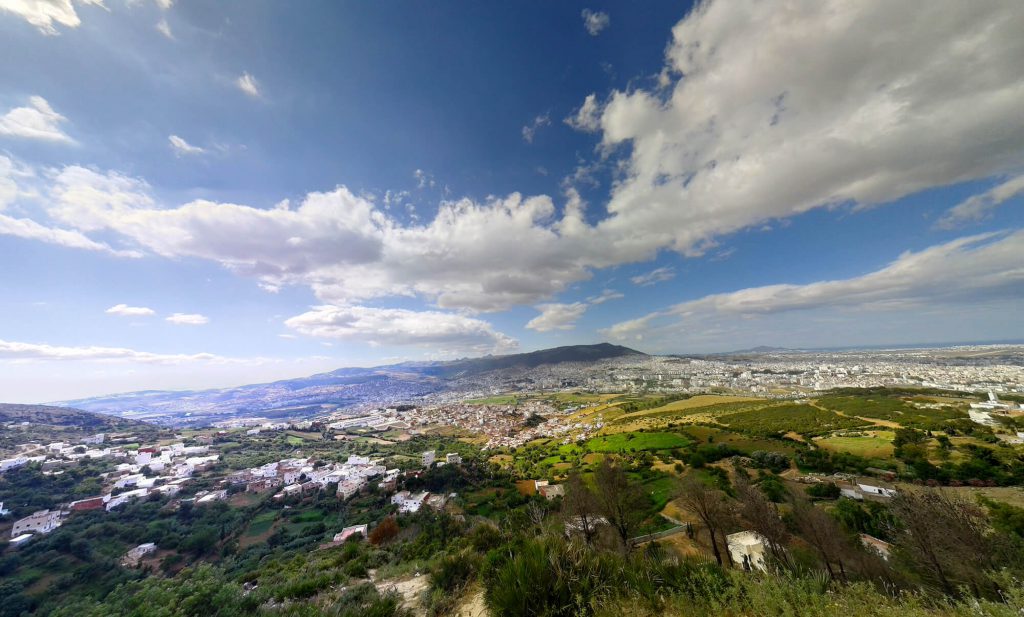
High in the mountains, Tetouan transports you a world away. Take a few days to explore this creative hub and tap into its multi-cultural heritage. Booming with traditional handicrafts and local art, you’re sure to leave inspired.
Perched on the slopes of the Rif Mountains, Tetouan is instantly recognizable by its whitewashed buildings, earning it the nickname “White Dove.” This picturesque city blends Andalusian charm with Moroccan heritage, creating a unique atmosphere shaped by centuries of cultural exchange. Known for its artistic spirit and rich history, Tetouan offers a refreshing escape from Morocco’s more crowded destinations.
Located just 90 minutes from Tangier and about two hours from Chefchaouen, the city is perfectly positioned for a relaxed cultural getaway. Its past as part of the Spanish Protectorate is still visible today in the architecture, cuisine, and artistic traditions, giving Tetouan a distinct Andalusian influence.
Just a short drive from the Mediterranean coast, Tetouan also offers easy access to beautiful beaches, making it an ideal destination for both cultural exploration and coastal relaxation. Spend a few days here to immerse yourself in a city where creativity, history, and everyday life blend seamlessly.
Archaeological Museum
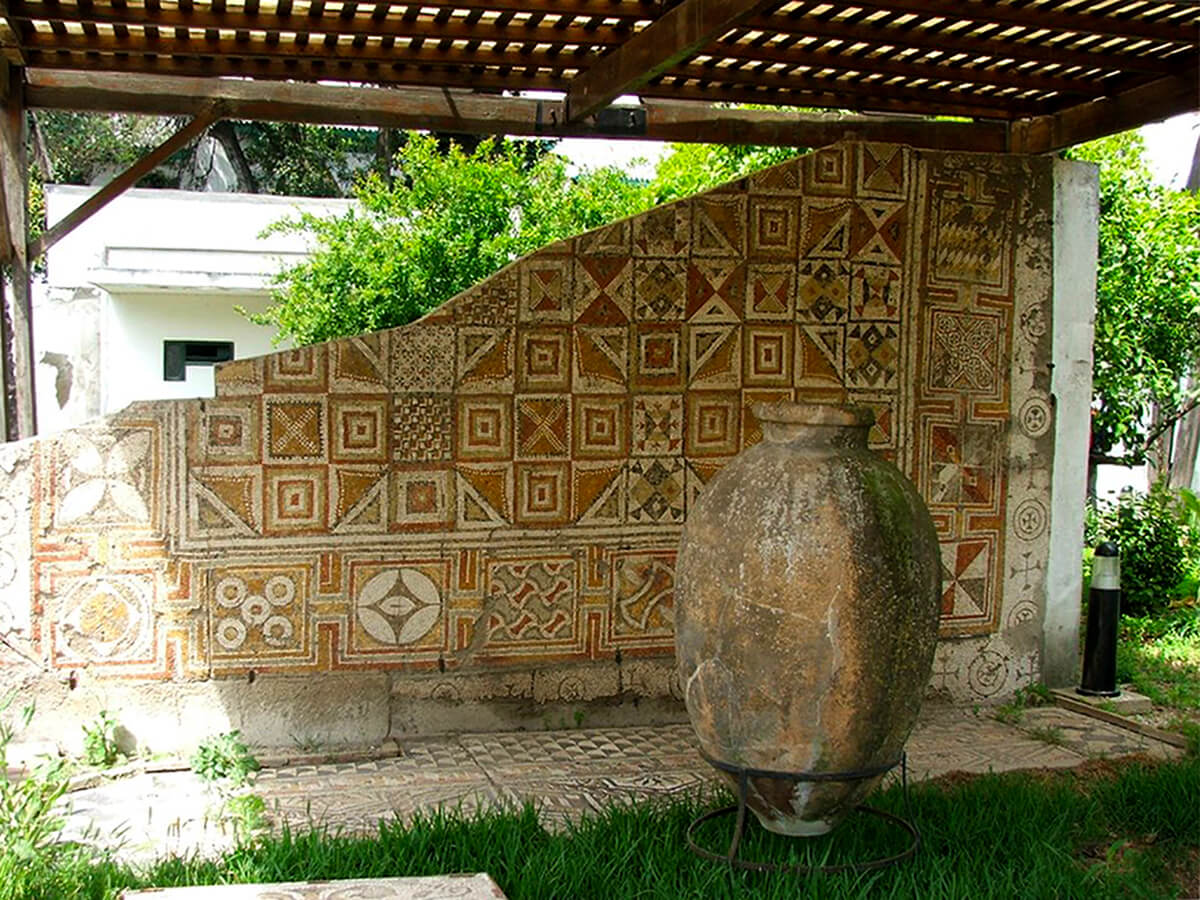
For a deeper understanding of Tetouan’s past, the Archaeological Museum offers a fascinating journey through the region’s early history. Its collection of prehistoric and pre-Islamic artifacts provides valuable insight into Northern Morocco’s ancient civilizations and cultural evolution.
The museum’s garden is equally impressive, displaying beautifully preserved mosaics from the Roman cities of Lixus and Volubilis. Inside, an extensive library with over 60,000 volumes allows visitors to further explore the region’s heritage and gain a deeper understanding of the culture of Morocco.
Dar Sanaa School of Arts and Crafts
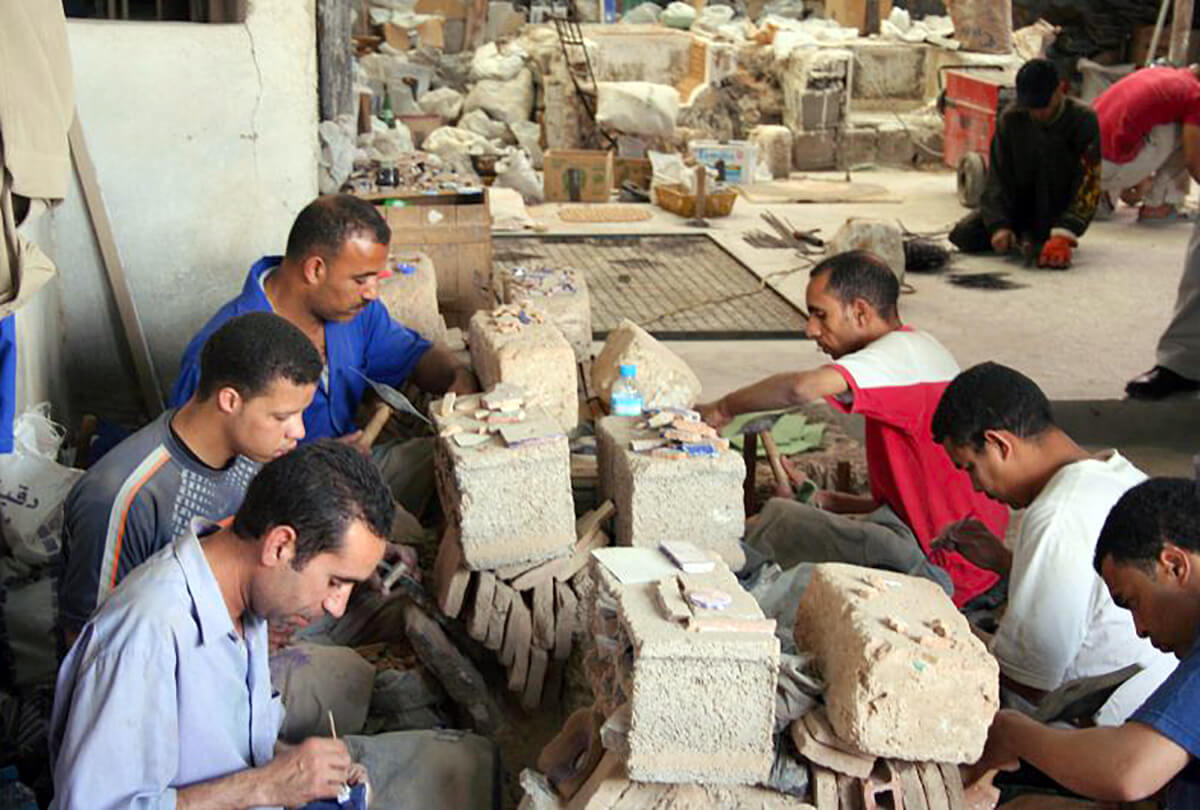
The Dar Sanaa School of Arts and Crafts is one of Morocco’s most important institutions dedicated to preserving traditional craftsmanship. Located in the medina near Bab el-Okla, this school offers visitors a rare opportunity to witness artisans and students practicing centuries-old techniques in a creative and authentic setting.
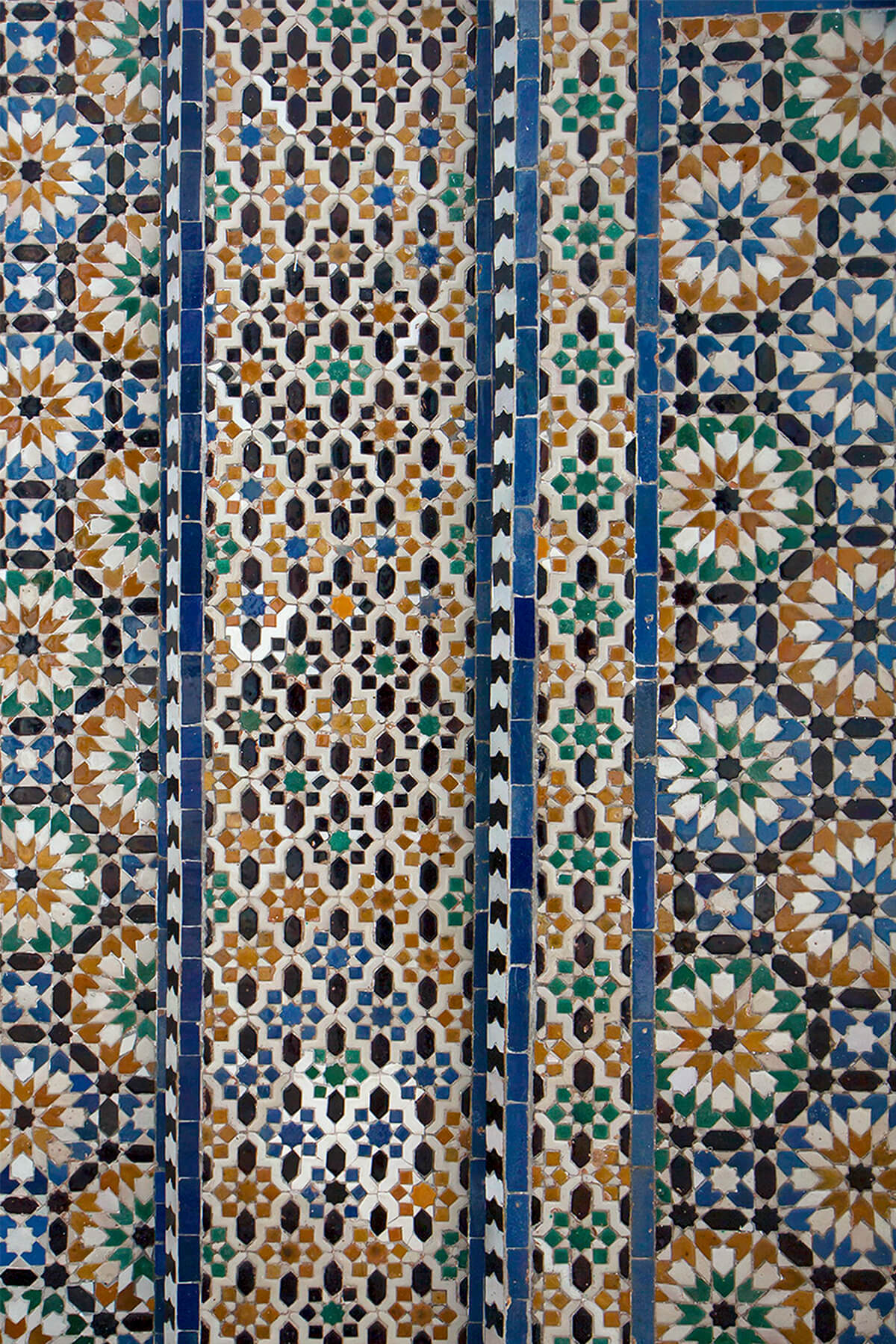
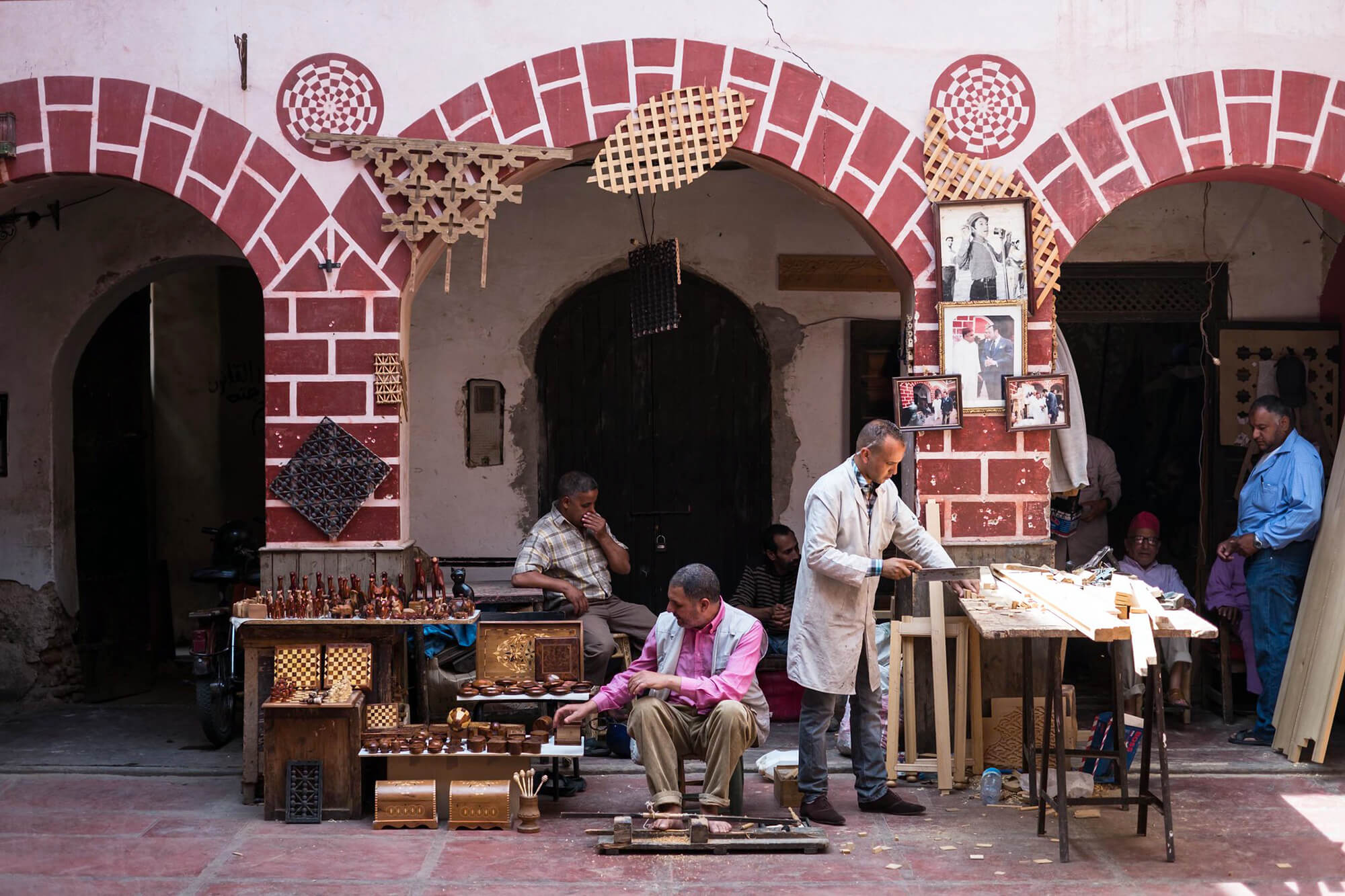
Inside the workshops, you can observe the making of intricate zellige mosaics, embroidery, wood painting, leatherwork, and fine marquetry. The attention to detail and skill on display reflect the rich artistic heritage that Tetouan is known for.
Visitors can also purchase handmade items either directly from the school or in the nearby medina souks, making it an ideal place to find meaningful, locally crafted souvenirs.
Iglesia de Bacturia
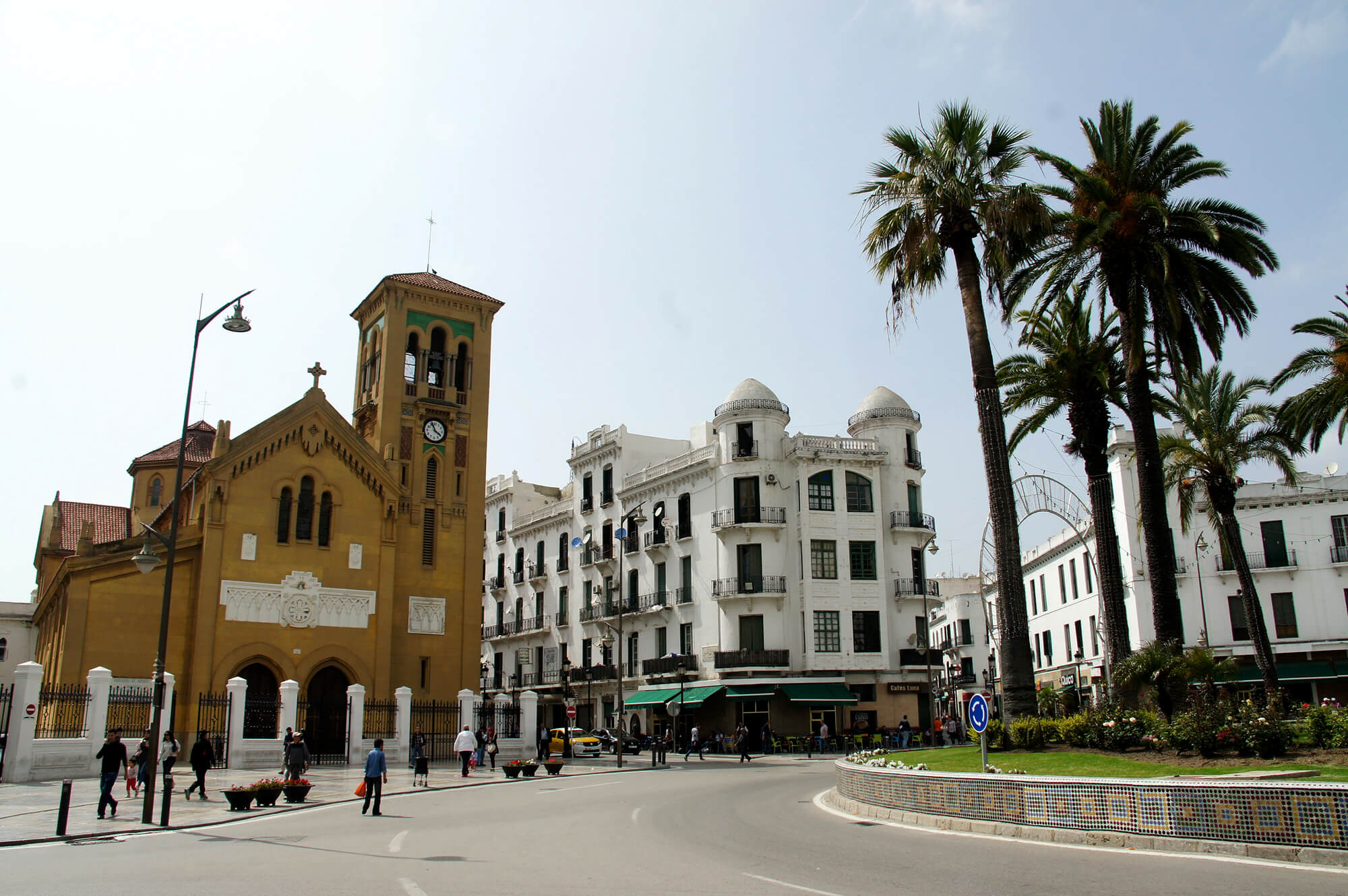
A reminder of Tetouan’s diverse cultural past, Iglesia de Bacturia is the city’s last remaining Roman Catholic church. Built in 1926 during the Spanish Protectorate, this striking structure stands out with its warm, golden-orange façade and simple yet elegant design.
The church is still active today, holding regular services for the local community. Visitors are welcome to attend mass or step inside to admire the peaceful atmosphere and ornately decorated interior. It offers a unique glimpse into Tetouan’s multicultural history and religious diversity.
Ethnographic Museum
Housed within the 19th-century fortress of Sultan Moulay Abderrahman, the Ethnographic Museum provides insight into the traditional lifestyle and customs of the Tetouan region. This well-curated collection highlights everyday objects and ceremonial items that reflect the city’s rich cultural heritage.
One of the museum’s highlights is its display of Tetouani wedding traditions, including intricate bridal garments, linens, and decorative items used during celebrations. Visitors can also explore exhibits that reveal fascinating facts about Moroccan culture, offering a deeper understanding of local customs and social practices.
A visit here complements Tetouan’s artistic and historical sites, providing valuable context to the traditions that continue to shape life in the region.
Medina
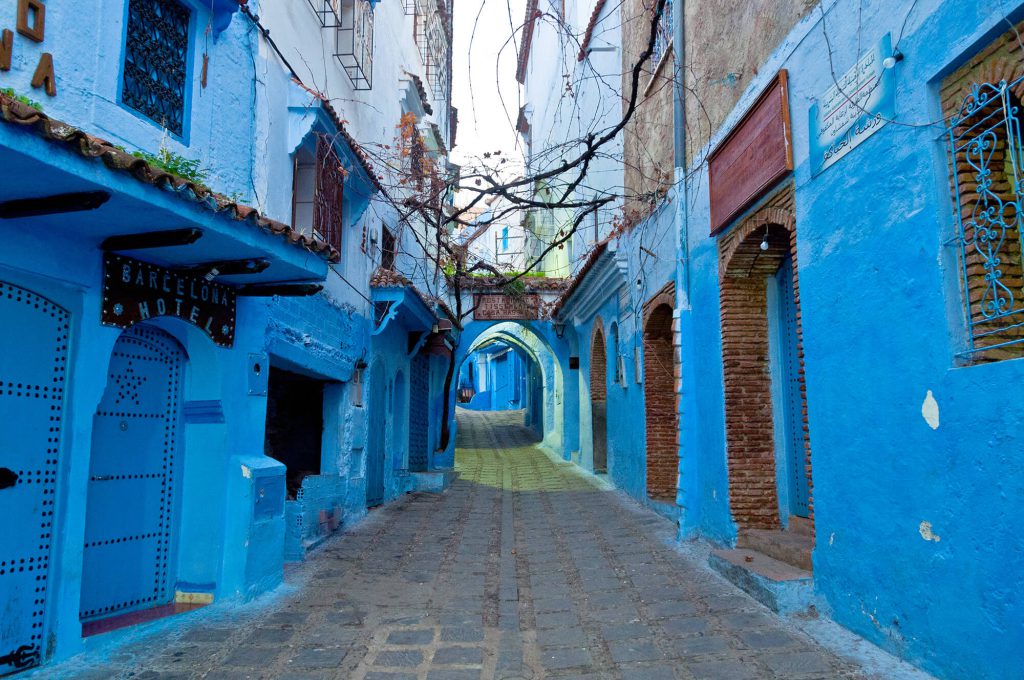
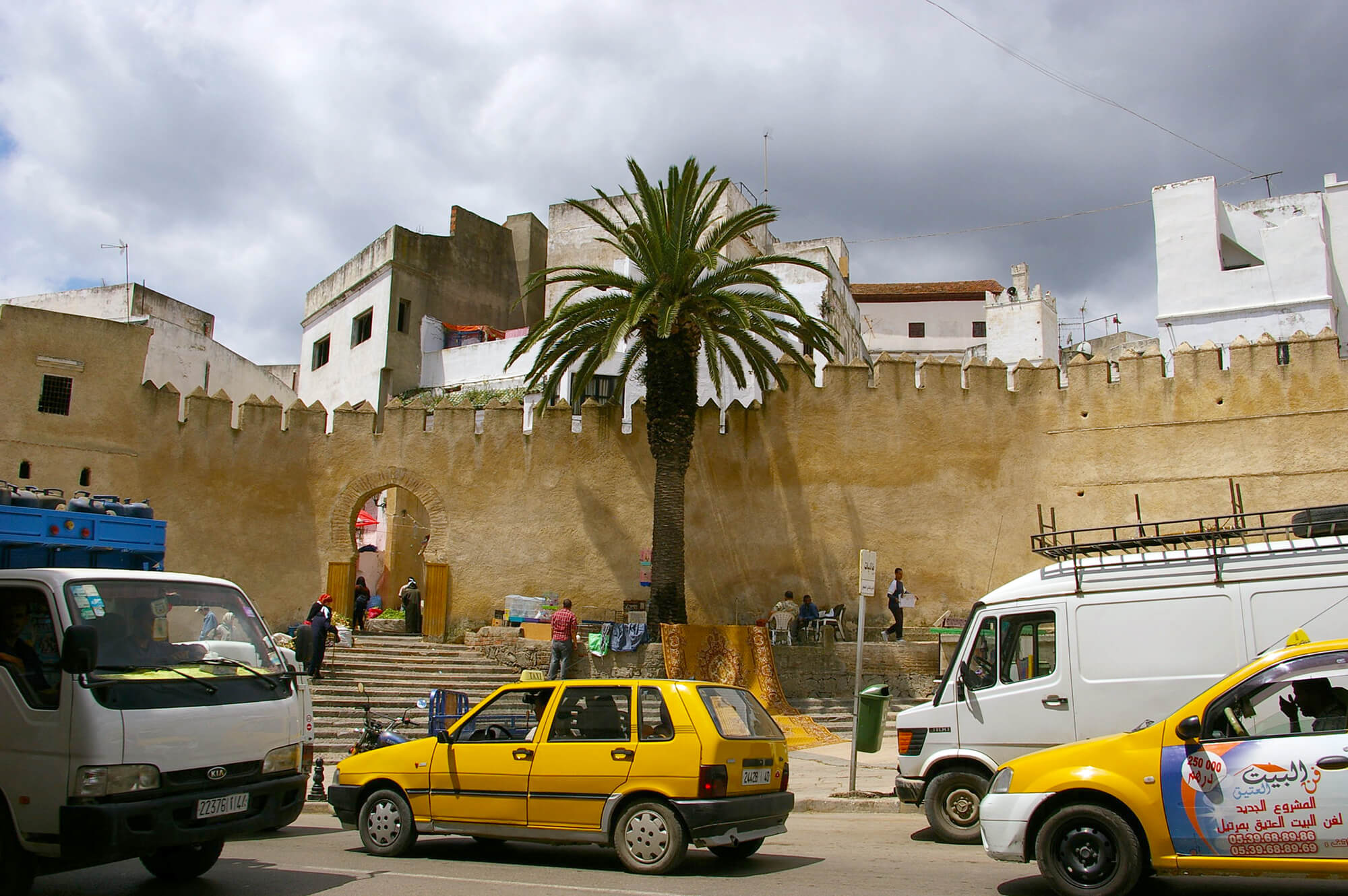
Tetouan’s medina is one of the most authentic and well-preserved in Morocco, enclosed by ancient stone walls that have remained largely untouched by outside influences. With its seven gates, it’s easy to navigate while wandering through its narrow cobblestone streets filled with vibrant colors and strong Andalusian influences reflected in the architecture.
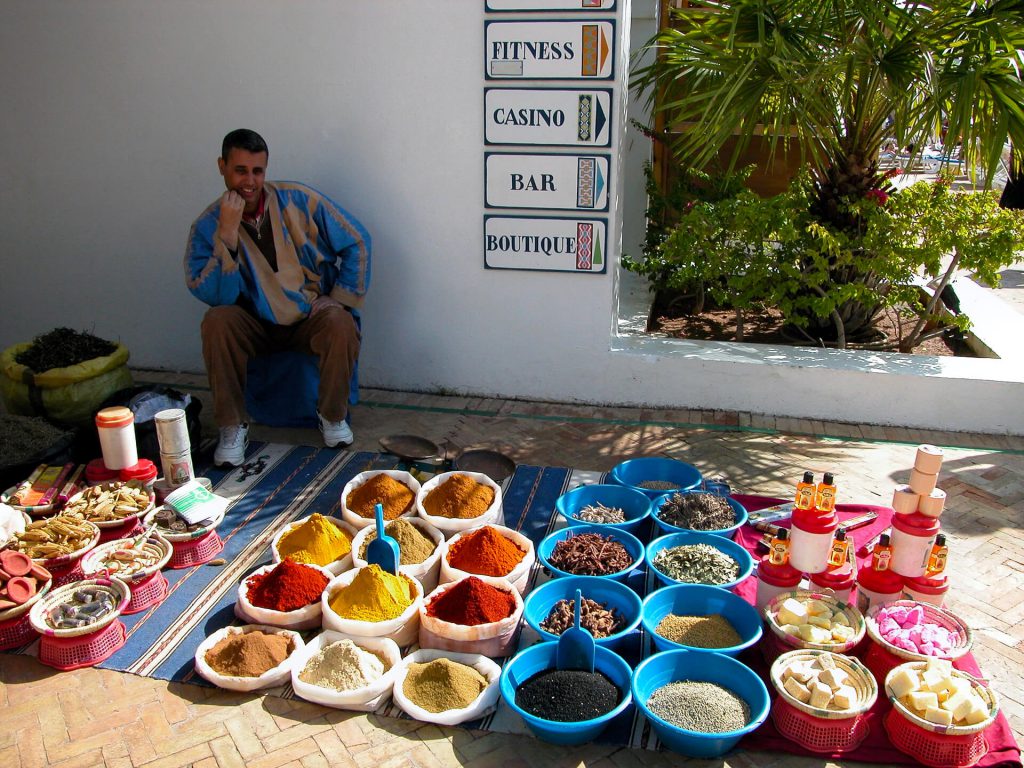
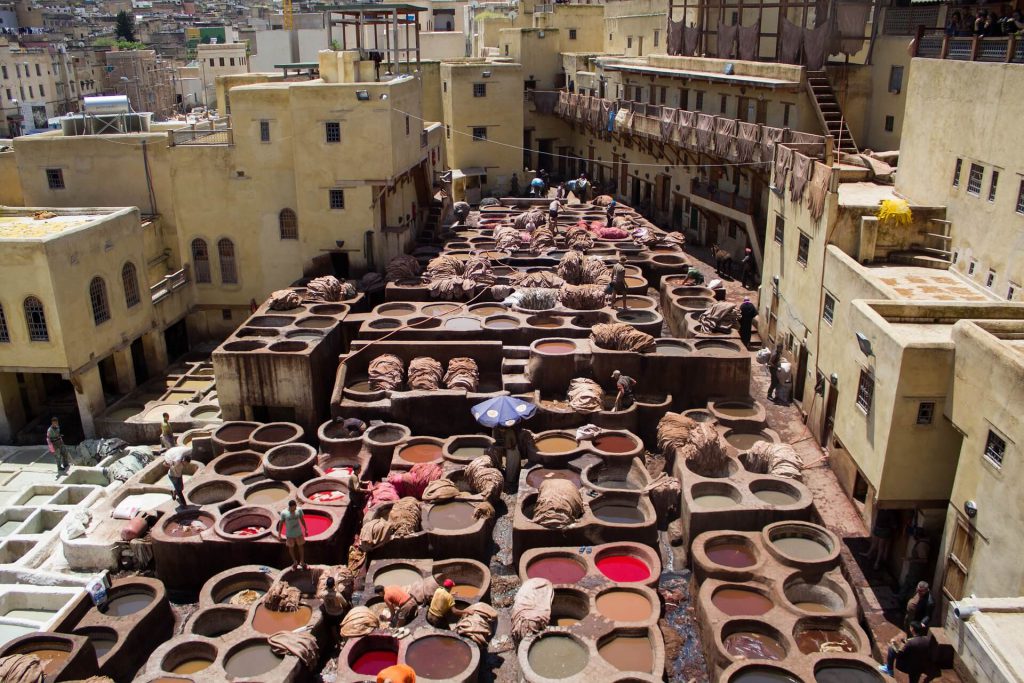
The medina is a haven for traditional craftsmanship, where you can shop for ceramics, textiles, jewelry, and a variety of handmade goods. Local tanneries are also worth visiting, offering high-quality leather products at more affordable prices than in Morocco’s larger cities.
Designated a UNESCO World Heritage Site in 1997, Tetouan’s medina provides a truly immersive experience, allowing visitors to step back in time and discover the city’s rich cultural and historical roots.
Tetouan Center of Modern Art
Housed in a beautifully restored former train station, the Tetouan Center of Modern Art offers a contemporary contrast to the city’s historic surroundings. This cultural space showcases a diverse collection of Moroccan art, featuring both realistic and abstract works alongside sculptures and modern paintings.
The building itself is a highlight, with its elegant decorative archways and distinctive green-tiled exterior reflecting Tetouan’s architectural charm. Inside, the gallery’s rooms provide an intimate setting to explore the creativity and innovation of Morocco’s modern artists.
For art enthusiasts, this museum offers a fresh perspective on Tetouan’s evolving cultural scene, bridging the gap between tradition and contemporary expression.
Dar Oddi
Dar Oddi is a beautifully preserved cultural space that offers a glimpse into Tetouan’s history and artistic heritage. Originally built in the 1920s by El Oddi and later restored by his grandson Jalal el Oddi, the house was transformed into a museum to preserve both family history and the cultural identity of the city.
Inside, the collection features a wide range of artifacts including photographs, postcards, paintings, posters, magazines, stamps, and books that document Tetouan’s past. Each of the seven rooms is richly decorated with stained glass, intricate zellige tilework, and classic black-and-white checkered floors, creating an elegant and immersive atmosphere.
Green Olive Arts
Located in the heart of Tetouan, Green Olive Arts is a dynamic creative space that connects local and international artists through cultural exchange. This collaborative hub offers artist residencies, hands-on artisan workshops ranging from one to five days, and guided cultural tours.
Visitors can join studio visits at Dar Sanaa to experience Moroccan craftsmanship up close, while also participating in workshops that highlight traditional techniques. The organization also hosts lectures and cultural events, fostering a deeper appreciation for the city’s artistic scene and encouraging creative dialogue.
Ensemble Artisanale
For authentic, high-quality handicrafts, Ensemble Artisanale is one of the best places to visit in Tetouan. This government-supported cooperative brings together skilled artisans working in traditional crafts such as carpet weaving, leatherwork, wood carving, and jewelry making.
Located near the Modern Art Museum, the cooperative offers a transparent shopping experience with fixed prices, ensuring fair support for local artisans. Visitors can watch craftsmen at work and purchase beautifully made souvenirs that reflect Morocco’s rich artistic traditions.
Excursions outside Tetouan
Tetouan’s surroundings offer a wealth of historical and cultural sites, making it an excellent base for short excursions. Just beyond the city, you can explore ancient ruins, coastal landscapes, and traces of civilizations that shaped the region over centuries.
Tamuda
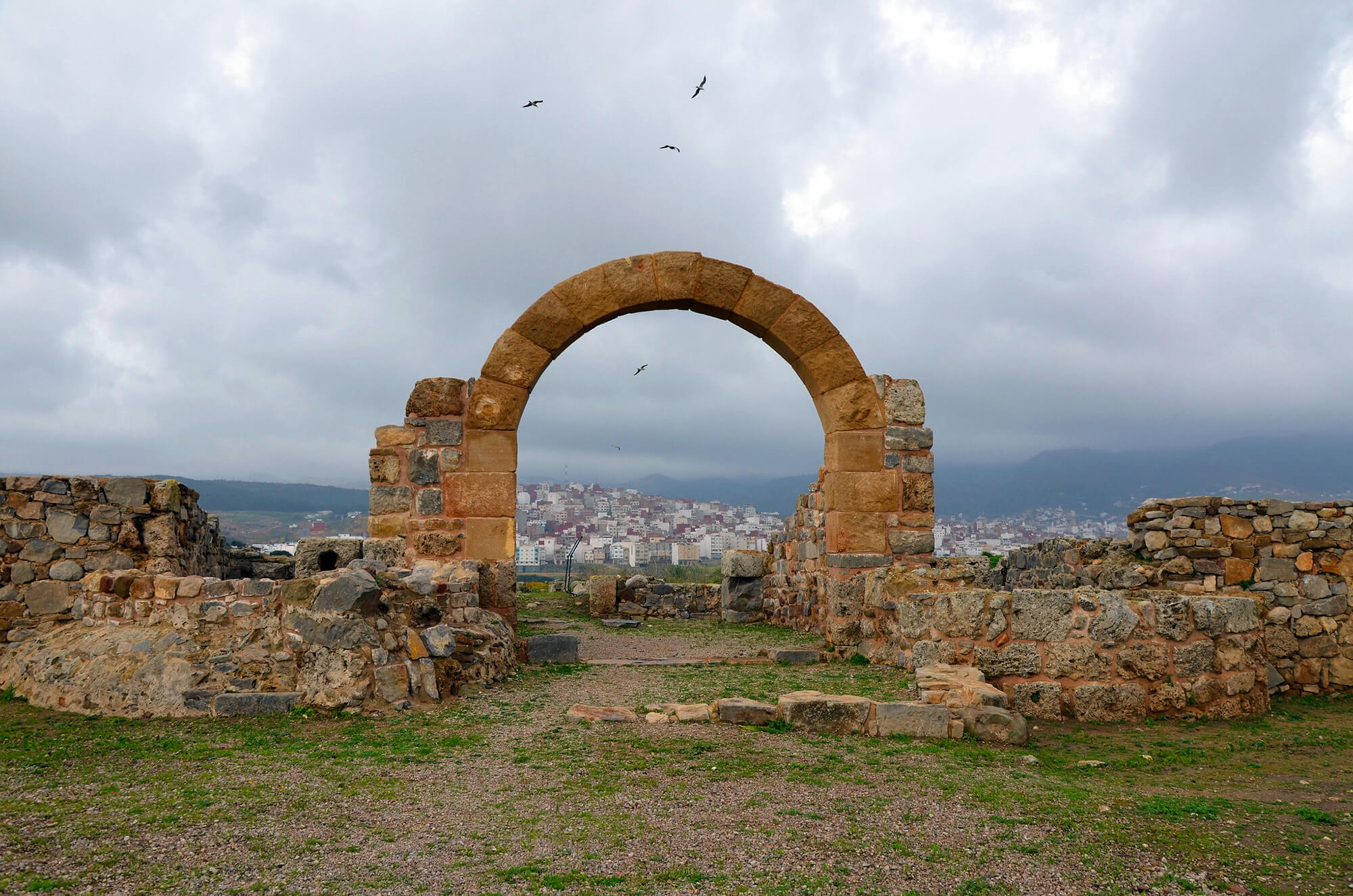
Located just 6 km from Tetouan, the ancient site of Tamuda offers a fascinating glimpse into the region’s layered history. Originally founded in the 3rd century B.C. as an Amazigh (Berber) settlement, it later developed into a Phoenician trading post before being destroyed and rebuilt by the Romans, who established a military camp on the site.
Today, visitors can wander through the ruins and imagine the civilizations that once thrived here. Archaeological excavations have uncovered a variety of artifacts from both Phoenician and Roman periods, offering valuable insight into the area’s ancient past.
Mount Bouanane
For those who enjoy nature and scenic views, a hike up Mount Bouanane offers a refreshing escape just outside Tetouan. The trail winds through forested landscapes, where you’ll encounter freshwater springs, peaceful surroundings, and crisp mountain air.
As you ascend, you’ll be rewarded with panoramic views overlooking Tetouan and the surrounding countryside. It’s an ideal spot for a quiet walk or a light hike, especially for those looking to experience the natural beauty of the Rif Mountains. Near the trail entrance, a small café provides the perfect place to relax with a glass of traditional mint tea while soaking in the tranquil atmosphere.
Tamuda Bay and Martil Beach
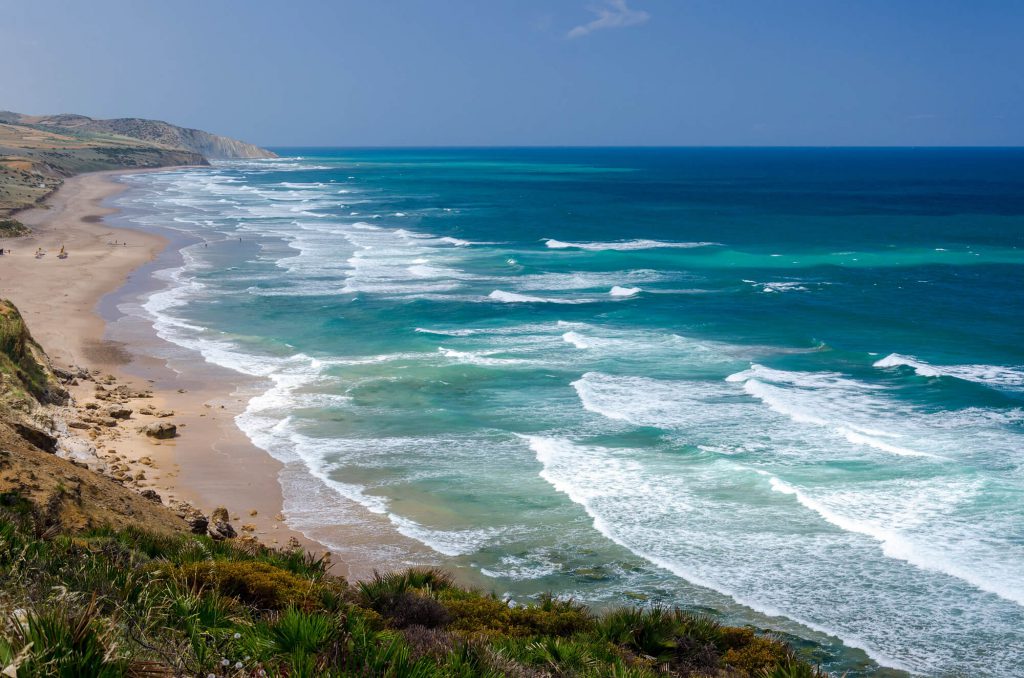
Just a short drive from Tetouan, the Mediterranean coastline offers a perfect setting for a relaxing day by the sea. Tamuda Bay is a popular destination known for its golden sandy beaches, clear waters, and resort-style atmosphere that attracts both locals and visitors.
For a quieter experience, Martil Beach provides a more laid-back alternative, with long stretches of white sand ideal for sunbathing and peaceful walks along the shore. Whether you prefer a lively beach scene or a tranquil escape, both locations offer easy access to the sea and beautiful coastal views.
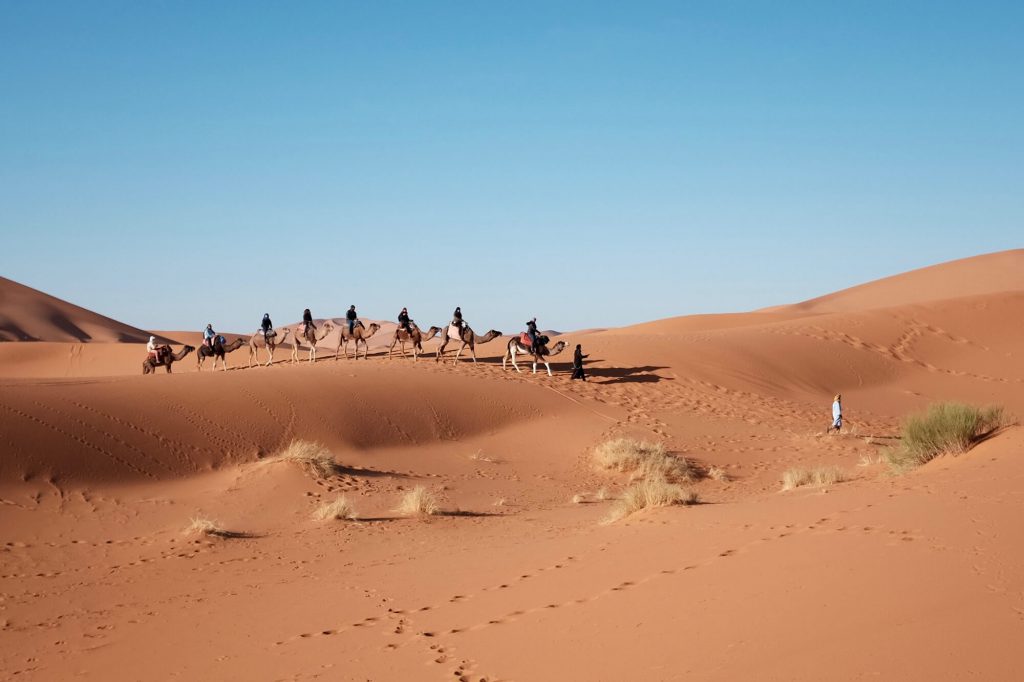
You can also enhance your visit with a camel ride along the beach, adding a traditional Moroccan touch to your seaside experience.
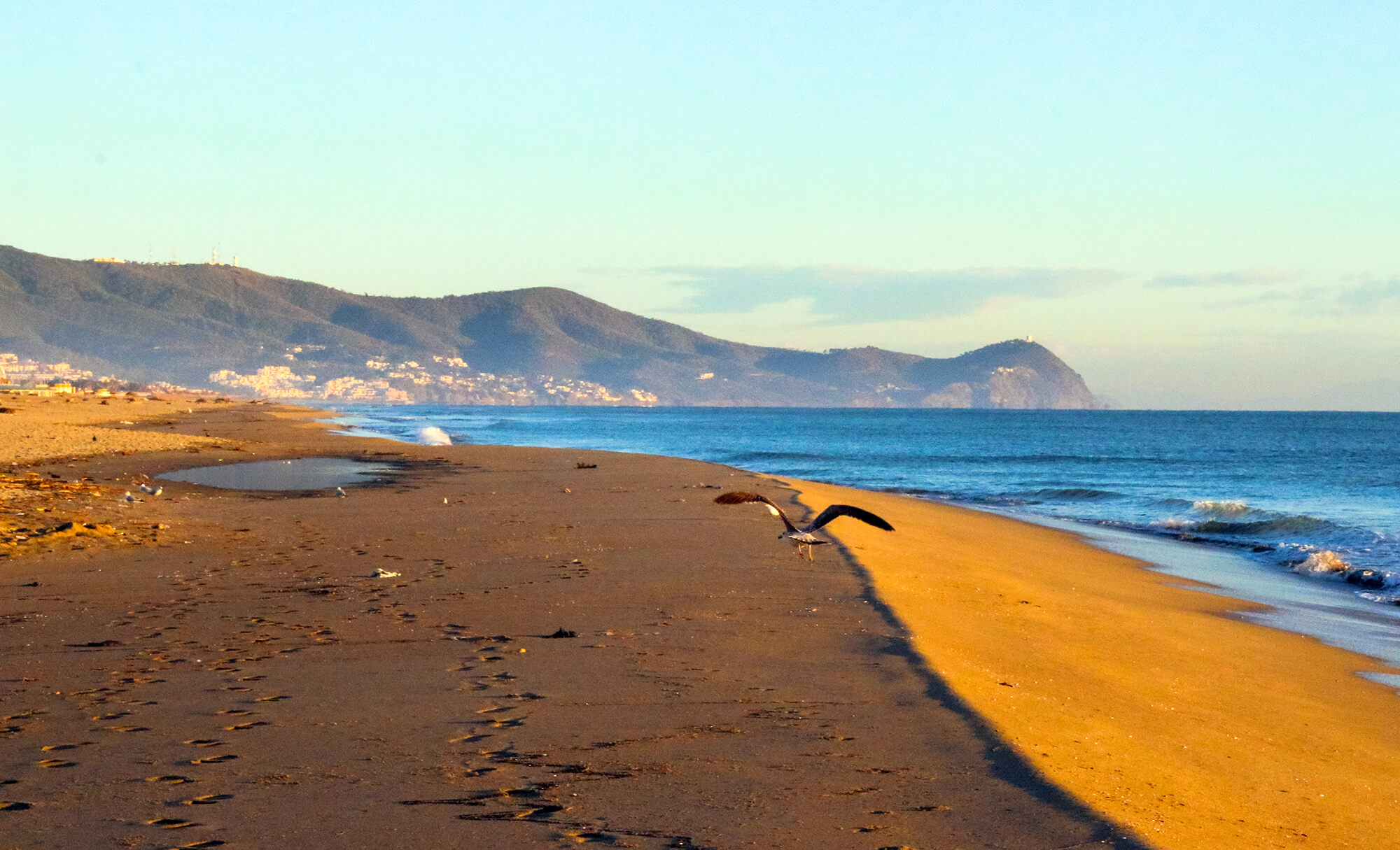
Tetouan is a hidden gem where mountain serenity meets Mediterranean charm, offering a unique blend of history, artistry, and cultural depth. From its UNESCO-listed medina to its thriving creative scene, the city invites you to slow down and experience a more authentic side of Morocco.
Many Morocco package tours include Tetouan, making it an easy and rewarding addition to your journey. Whether you’re drawn by its rich heritage or its evolving artistic spirit, Tetouan is a place that leaves a lasting impression long after you’ve left.
🧭 FAQs
Q: What is Tetouan known for?
Tetouan is known for its UNESCO-listed medina, Andalusian architecture, rich artistic heritage, and traditional crafts.
Q: Is Tetouan worth visiting?
Yes, Tetouan offers an authentic Moroccan experience with fewer crowds, combining culture, history, art, and nearby beaches.
Q: How many days should you spend in Tetouan?
Two to three days is ideal to explore the medina, museums, and nearby attractions like Tamuda and the Mediterranean coast.
Q: Why is Tetouan called the White Dove?
Tetouan is nicknamed the “White Dove” because of its whitewashed buildings spread across the hillside, creating a distinctive and elegant appearance.
Q: What are the top things to do in Tetouan?
Top attractions include the medina, Archaeological Museum, Dar Sanaa, Ethnographic Museum, and the Tetouan Center of Modern Art.
Q: Is Tetouan’s medina a UNESCO World Heritage Site?
Yes, Tetouan’s medina was designated a UNESCO World Heritage Site in 1997 due to its well-preserved Andalusian character.
Q: Can you visit beaches from Tetouan?
Yes, the Mediterranean coast is just 20 minutes away, with popular spots like Tamuda Bay and Martil Beach.
Q: What is Tetouan known for in terms of crafts?
Tetouan is famous for traditional crafts such as zellige tilework, embroidery, leather goods, woodwork, and marquetry.
Q: Is Tetouan influenced by Spanish culture?
Yes, Tetouan has strong Spanish and Andalusian influences due to its history as part of the Spanish Protectorate.
Q: Are there day trips from Tetouan?
Yes, you can visit nearby sites like the Roman ruins of Tamuda, hike Mount Bouanane, or relax along the Mediterranean coast.
—
Editor’s Note: This post was originally published in 2021 and updated in April 2026 for accuracy and freshness.
OTHER POSTS