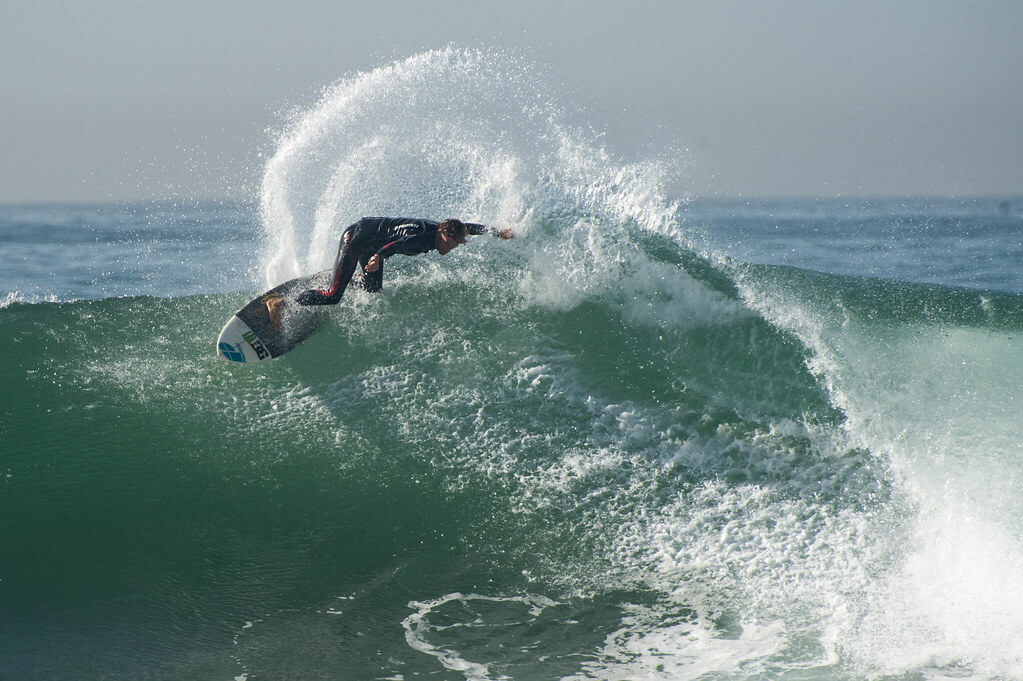
Morocco is the ultimate surf destination with vibrant surf culture and countless beaches to catch the waves. From beginners to intermediate and professional, here are some of Morocco’s most popular surf spots and what to expect.
Morocco has had a vibrant surf culture since the 1960s and has long been part of the international surf circuit. The season for surfing in Morocco generally begins in late September and runs through April. If you are chasing the most powerful and consistent waves, the peak months are from December to March, when the big winter swells arrive and challenge even experienced surfers.
You can ride waves all the way down Morocco’s Atlantic coast, passing one sleepy fishing village after another. Exploring these surf spots is not only about finding the right break; it is also an easy way to get to know the culture of Morocco, meet local surfers, and enjoy the slow rhythm of coastal life.
Many of these villages have surf schools for curious beginners and intermediate surfers who want to improve their skills. You will also find plenty of surf camps and retreats tailored to different types of travelers, including women-only groups, solo travelers, vegans, families, and advanced surfers. Some run on an all-inclusive basis and many combine daily surf sessions with yoga classes or spa treatments.
If you need a break from the busy streets of Casablanca or Marrakech, heading to the coast to surf is an easy escape. You can spend your days chasing waves, watching sunsets over the ocean, and exploring Morocco’s beautiful coastal landscapes while meeting both local and international surfers.
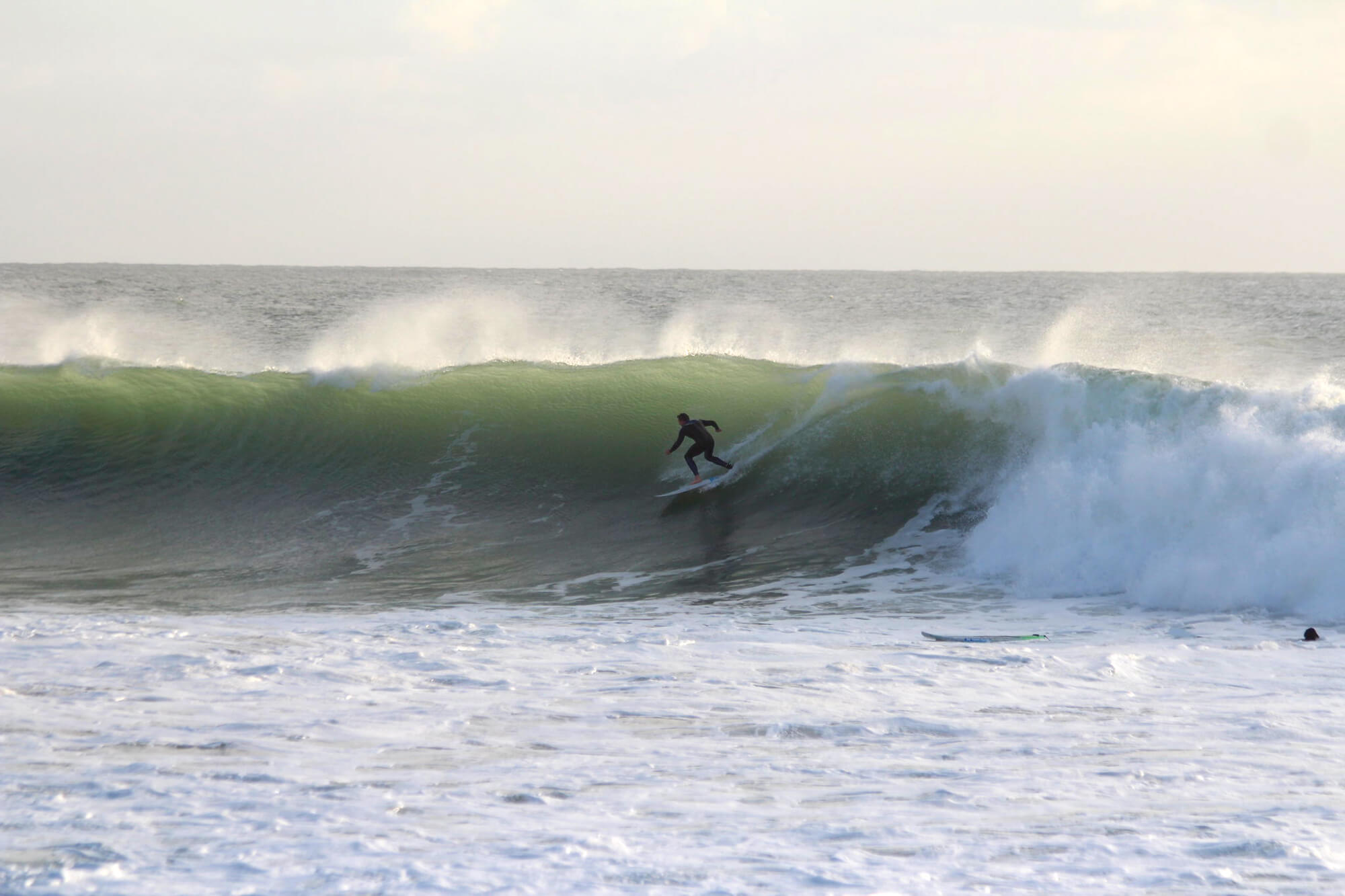
Surfing in Morocco
Taghazout
Taghazout is the heart of Morocco’s surf scene and the place most travelers imagine when they think of surfing along the Atlantic. This small, easygoing village has a relaxed rhythm that makes it simple to settle in, whether you plan to stay for a weekend or for several weeks. It is also very accessible, with straightforward transport from either Essaouira or Agadir, so reaching the waves rarely requires complicated planning.
The town has no shortage of surf camps, guesthouses, and schools, and many travelers choose Taghazout specifically because everything you need is within walking distance. Shops rent boards and wetsuits, cafés overlook the ocean, and the mornings often begin with surfers watching the sets roll in before paddling out.
Waves in Taghazout suit every level. Newer surfers often start at places like Banana Point or Devil’s Rock, where the breaks are more forgiving and instructors are easy to find. More confident surfers tend to head straight for the famous points that made Taghazout so well known. Killer Point offers long, clean rides when conditions line up, while Boilers is known for fast right-handers that require good timing. Anchor Point is the most iconic break of all, famous for its power and long rides on the right swell.
If you want a surf town that mixes reliable waves with a friendly atmosphere and simple day-to-day living, Taghazout is the place many people end up returning to each year.
Tamraght
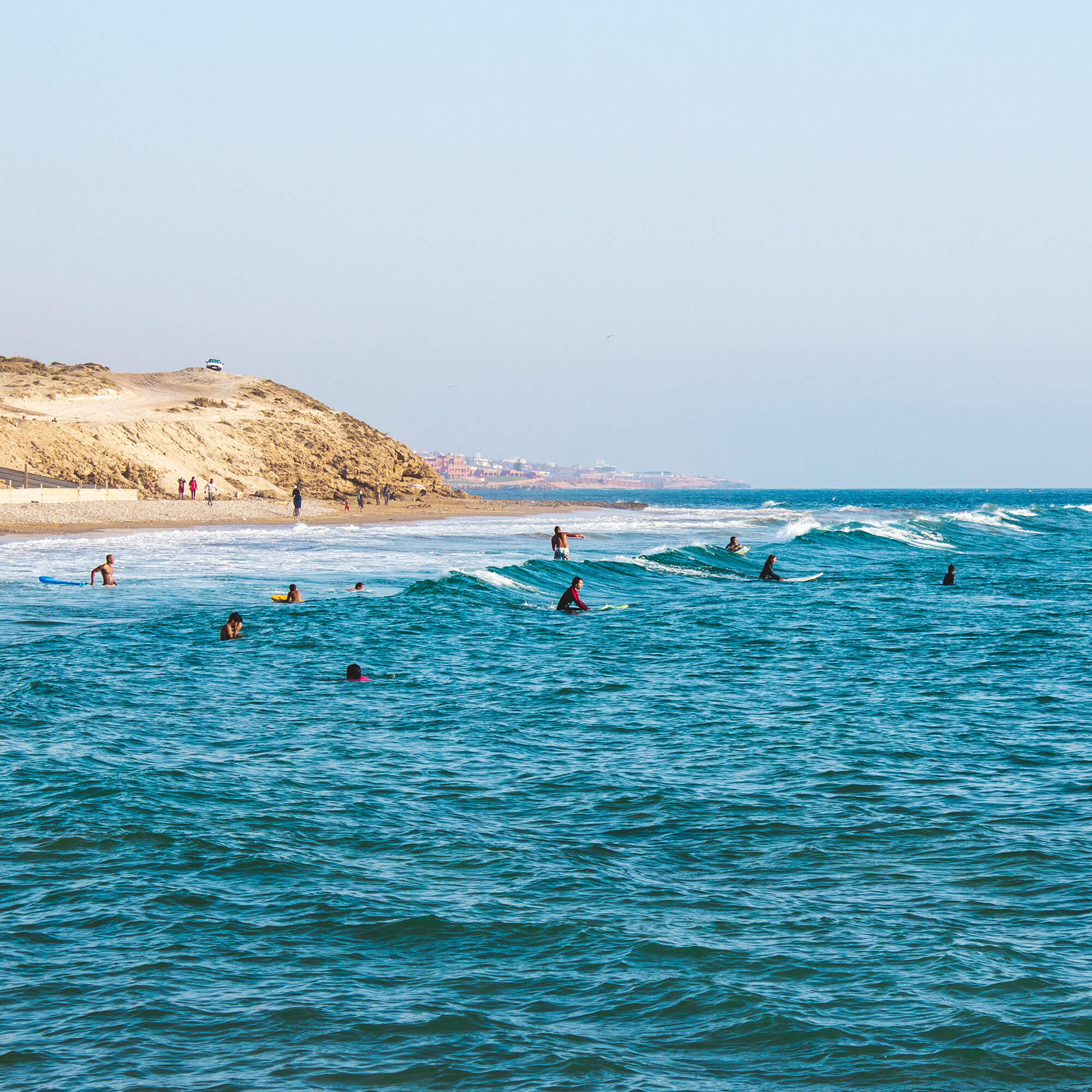
Just a short drive south of Taghazout, Tamraght offers a quieter alternative without losing access to excellent waves. The village has a gentle, unhurried feel, and many travelers choose it specifically for the slower pace and the sense of space it provides. Most accommodations, cafés, and surf schools are clustered on the hills overlooking the ocean, so the walk to the beach is never far.
Tamraght is well-suited for surfers of all experience levels. Beginners often feel comfortable here because the beaches are open and easy to read, making it a good environment for steady progress. Spots like Banana Beach and nearby Devil’s Rock offer consistent conditions for practicing fundamentals. More experienced surfers also find plenty to enjoy. When the swell is strong, the breaks around Tamraght can be surprisingly powerful, and advanced riders often make their way to Spiders, a fast and shallow reef that demands confidence and precision.
Because the village is smaller than Taghazout, evenings tend to be calm, with people gathering on rooftop terraces to watch the waves and the light fade over the coast. For anyone wanting a relaxed base with reliable surf and fewer crowds, Tamraght is an easy place to settle into.
Tifnit
Tifnit feels very different from the more developed surf towns to the north. It is a rugged fishing village with a wide, open coastline and a sense of isolation that appeals to surfers who enjoy raw, uninterrupted nature. The beaches here stretch out beneath dramatic cliffs and sand dunes, and the Atlantic often feels more powerful and unpredictable than in the towns closer to Agadir.
The surf in Tifnit is best suited for experienced riders. The tides can be strong, the currents shift quickly, and the waves often break with considerable force. This creates thrilling conditions for surfers who are confident in reading the ocean, but it can be daunting for beginners. Many people visit Tifnit specifically for this intensity, choosing it as a place to push their skills or simply to enjoy the feeling of being far from busier beaches.
Because Tifnit is relatively isolated, it works well for small groups or travelers looking to disconnect for a while. There are fewer shops and amenities than in Taghazout or Tamraght, so most surfers come prepared and stay focused on the ocean. When the swell lines up, Tifnit offers some of the most dramatic and memorable sessions along Morocco’s southern coast.
Imsouane
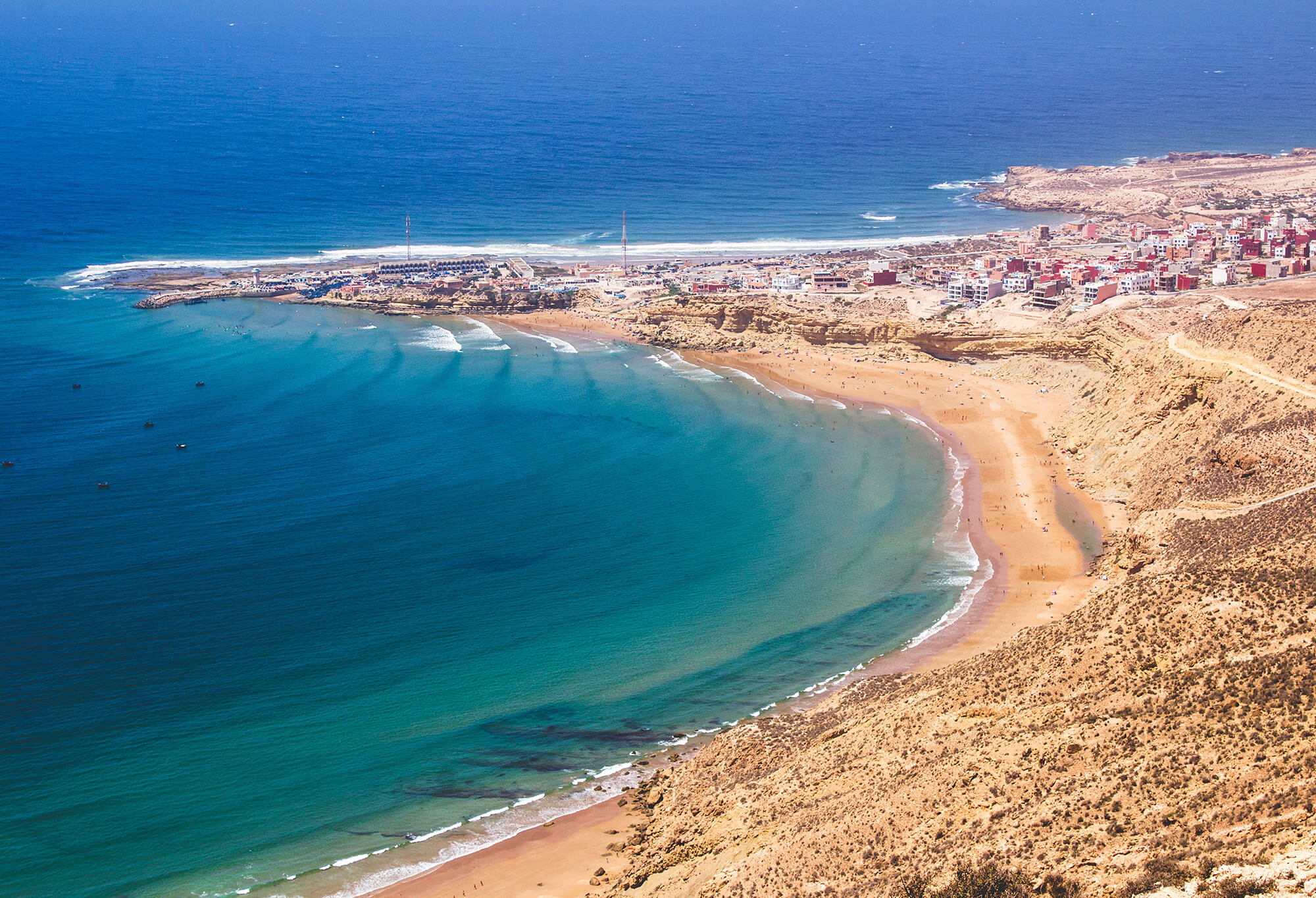
Imsouane is one of Morocco’s most beloved surf villages, known for its peaceful atmosphere and the long, rolling rides that attract surfers from around the world. Tucked between Essaouira and Taghazout, it feels remote without being difficult to reach, and many travelers come here specifically to slow down, surf for hours, and enjoy the simple rhythm of ocean life.
The village is home to two main breaks, each with a different personality. La Cathédrale sits on the northern side and combines a beach break with sections that peel across the reef, creating energetic waves that appeal to a range of skill levels. On the opposite side of the headland, La Bay offers one of the longest point-break rides in the world. When conditions are right, a surfer can glide along the wave for an astonishing distance, making it a favorite for both beginners building confidence and experienced surfers looking to savor each ride.
Imsouane maintains a calm, almost meditative pace. Fishermen bring in their catch each morning, surfers line the cliff to watch sets roll in, and evenings are spent on terraces overlooking the water. For anyone who wants a surf trip that balances beautiful waves with a sense of escape, Imsouane stands out as one of the most memorable places on Morocco’s coast.
Tamri
North of Taghazout lies Tamri, a stretch of coastline known for its reliability. Even when other breaks along the coast slow down, Tamri often keeps producing waves, which makes it a popular choice for surfers who want consistent conditions. The beach here is wide and open, and the swell has plenty of room to move, so the waves stay active throughout the year.
Tamri suits surfers of all levels, but its personality changes quickly depending on the swell. On calmer days, the beach break is approachable and fun, giving beginners room to practice without feeling crowded. When the swell grows, the waves become more powerful, and the currents can turn demanding. On those days, intermediate and advanced surfers tend to dominate the lineup, using the stronger ocean energy to push their riding.
Because Tamri is a simple, undeveloped stretch of coast, many surfers visit it as a day trip from Taghazout or Tamraght. The drive is short, the scenery is beautiful, and the chance of finding rideable waves is high. For anyone chasing consistent surf along this part of Morocco, Tamri often ends up being a dependable favorite.
Sidi Kaouki
Sidi Kaouki sits just south of Essaouira and offers a long, open beachfront that feels refreshingly unhurried. Although it is close to a major city, the village has kept its quiet, windswept character, and many travelers come here specifically to avoid crowds. The sound of the surf mixes with the constant breeze, giving the entire place a sense of openness that is hard to find in more developed coastal towns.
The waves in Sidi Kaouki are known for their strength and consistency. They roll in with enough force to challenge intermediate surfers and keep experienced riders engaged. Because the currents can shift quickly and the wind is a defining feature of the area, beginners may find the conditions a bit demanding, especially on days when the swell is large. However, for surfers who already feel comfortable in dynamic ocean conditions, Sidi Kaouki offers some of the most enjoyable rides in the Essaouira region.
The atmosphere in the village remains simple and welcoming. A few cafés and small guesthouses line the edge of the beach, and the evenings often end with sunsets that stretch across the entire bay. For surfers who want dependable waves in a peaceful setting, Sidi Kaouki strikes a beautiful balance.
Safi
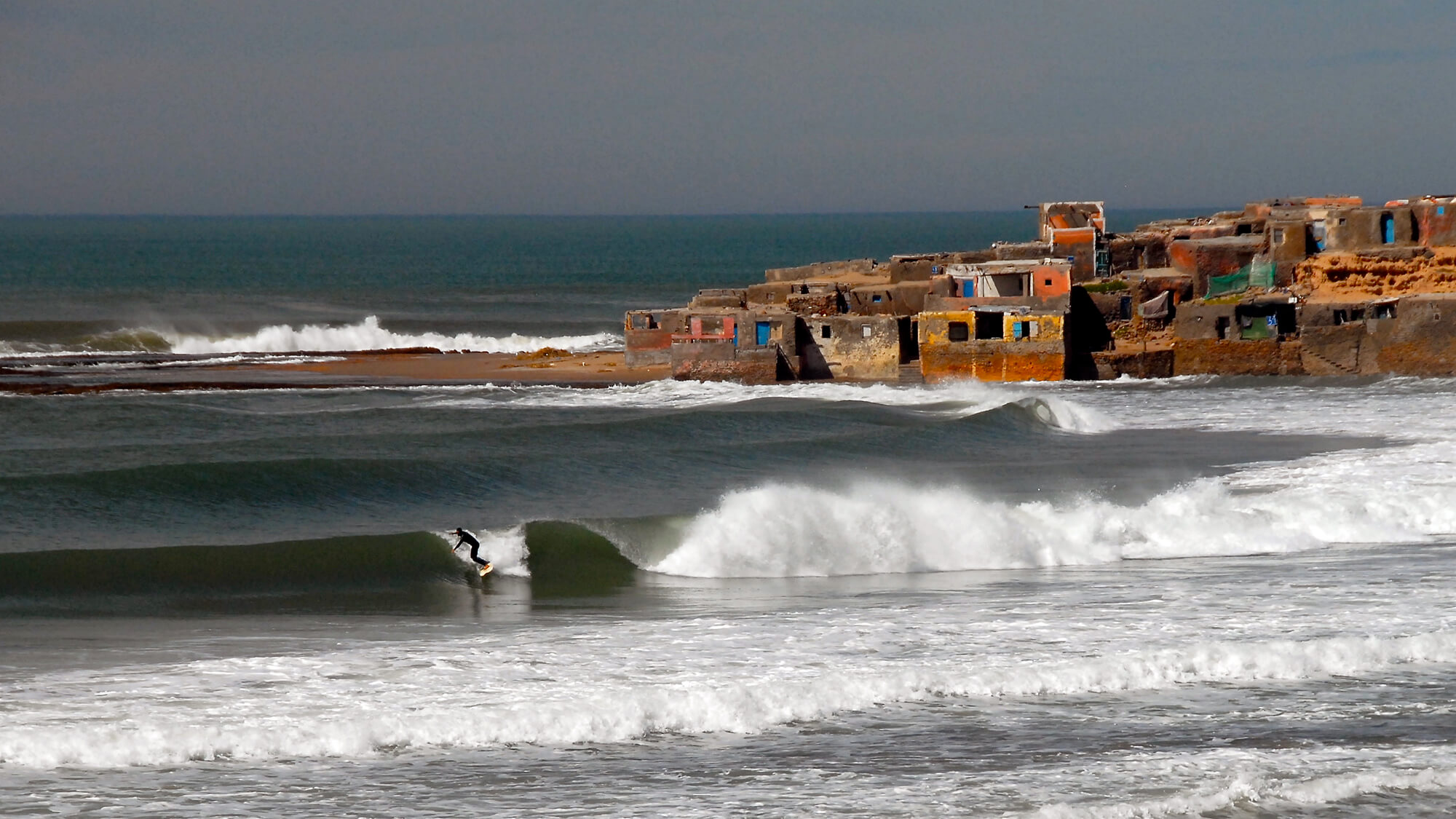
Safi is one of Morocco’s most powerful and demanding surf destinations, known for waves that attract experienced riders from around the world. Unlike the gentler beaches near Essaouira, Safi’s coastline is shaped by rocky points, shifting winds, and heavy swell energy. This combination creates dramatic conditions that can be breathtaking to watch and unforgettable to ride.
The town’s most famous break, known as The Garden or Le Jardin, is widely considered one of Morocco’s strongest and most impressive point breaks. When everything lines up, the wave forms a deep, fast-moving tube that challenges even seasoned surfers. The power and precision required make Safi unsuitable for beginners, but for advanced surfers who are confident in heavy, technical conditions, it is easily one of the standout spots in the country.
Safi itself is a historic coastal city with a working port, so the surf culture here feels different from the smaller villages farther south. Sessions often begin early in the morning, when the wind is calmest, and surfers gather along the cliffs to watch the sets roll in before choosing the right moment to paddle out. For those who come prepared and know what they’re doing, Safi offers some of the most exhilarating rides on Morocco’s Atlantic coast.
Essaouira
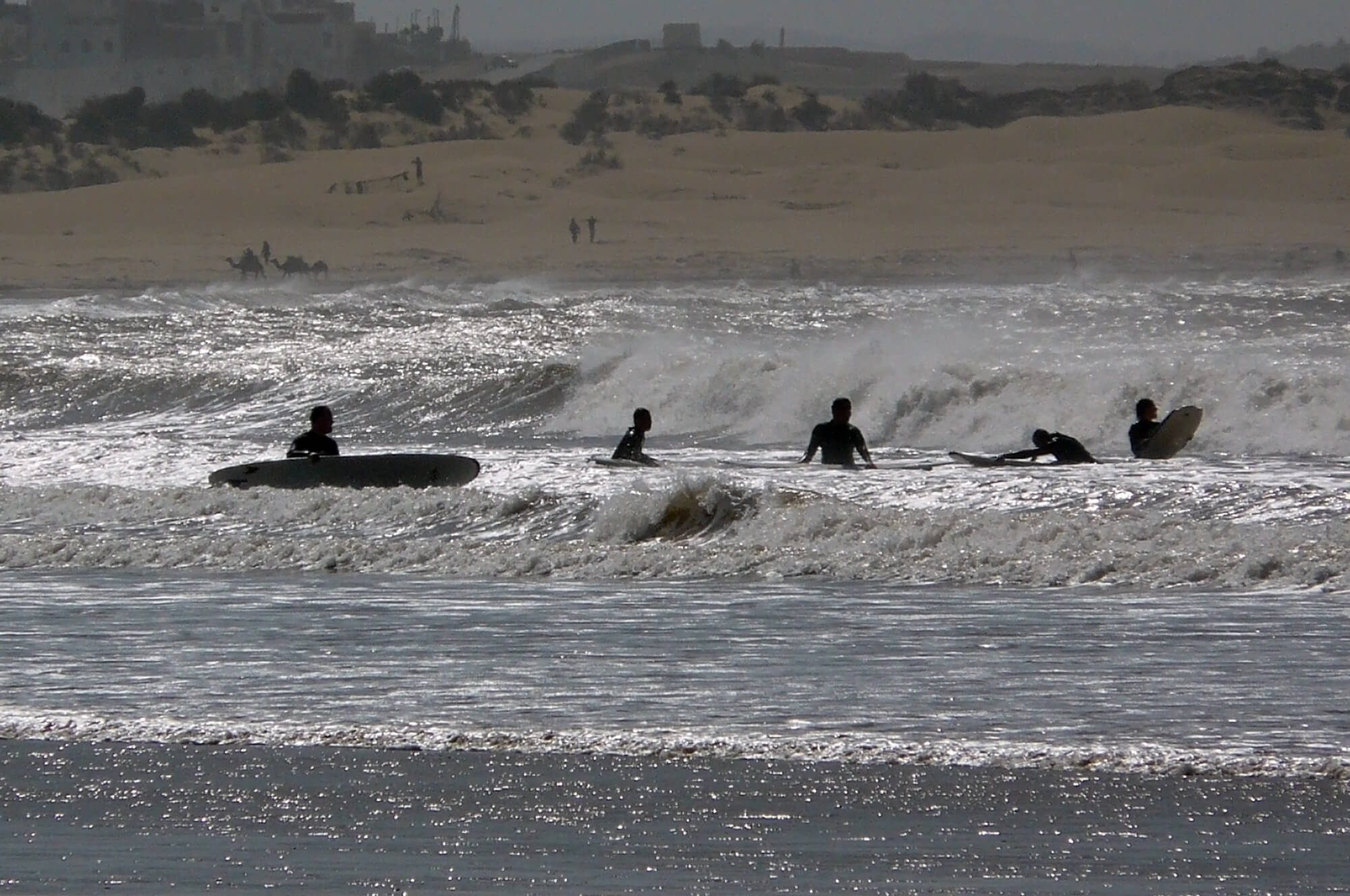
Essaouira is one of the most welcoming places in Morocco for surfers who want approachable waves and a lively coastal atmosphere. The city’s long sandy beach provides a soft, forgiving bottom, which makes it an ideal environment for beginners and intermediate surfers to practice without feeling intimidated. The mornings are usually the best time to paddle out, as the winds tend to stay calm until midday. By the afternoon, the breeze often strengthens and the shoreline becomes a playground for kite surfers and windsurfers, giving the beach a completely different character.
The surf community in Essaouira is large and friendly, and it is easy to find lessons, rental shops, and instructors who know the coastline well. Many travelers appreciate how simple it is to arrange a spontaneous session, pick up equipment, or chat with locals and visiting surfers about conditions. Even outside the water, the city’s medina, cafés, and relaxed vibe make it a pleasant place to spend time between surf sessions.
For anyone who is new to surfing or looking for a comfortable base with a mix of culture, history, and ocean activity, Essaouira offers an excellent balance. It is one of the easiest places to begin your surf journey and a rewarding stop for riders who enjoy a combination of gentle waves and a lively coastal setting.
Dakhla
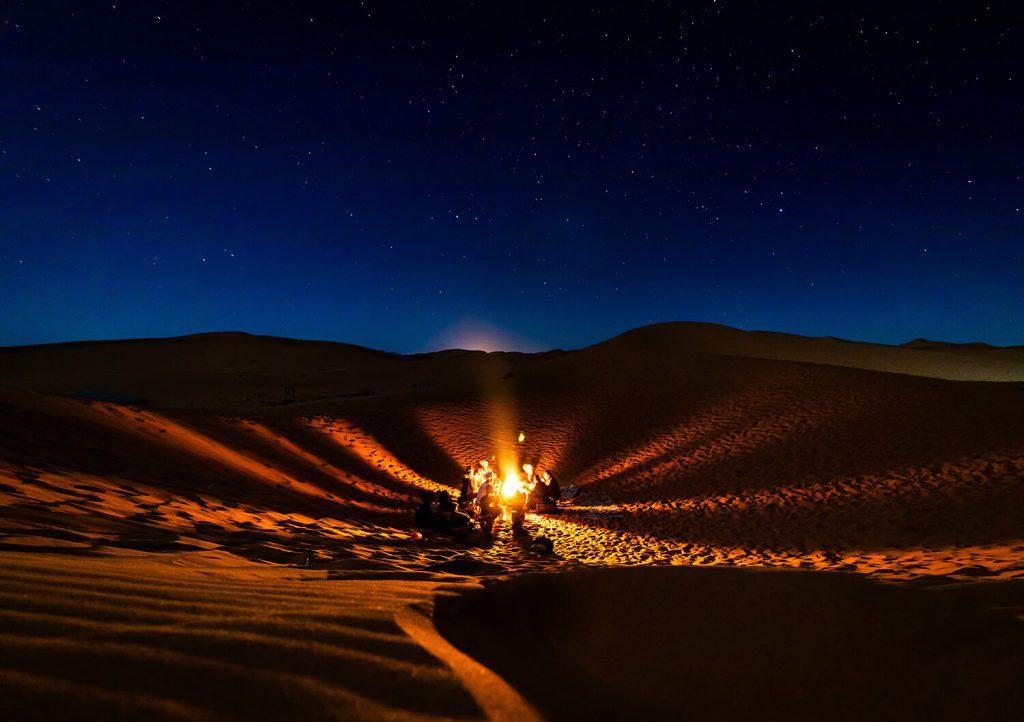
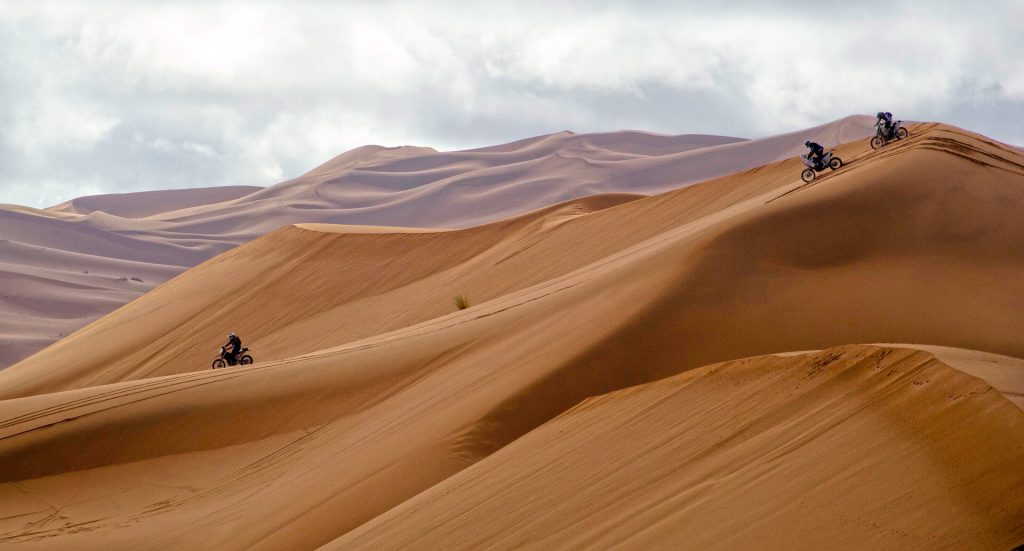
Dakhla feels like an entirely different world compared to the surf towns farther north. Set on a long, narrow peninsula where the Sahara Desert meets the Atlantic, it offers an unforgettable mix of golden dunes, rugged coastline, and wide-open ocean. The contrast between desert silence and crashing waves gives Dakhla a unique atmosphere that many surfers fall in love with instantly.
The surf here suits all levels, depending on where you go. Oum Lamboiur, one of the area’s most well-known spots, provides reliable conditions throughout much of the year, with waves that are strong enough to be exciting without becoming overwhelming for improving surfers. For those seeking something more distinctive, Dragon offers a beautifully shaped left-hander that can deliver long, satisfying rides on the right swell. Because the coastline stretches for many kilometers, it is often possible to find a section of beach entirely to yourself, especially if you venture outside the main town.
Dakhla naturally encourages a slower, more reflective kind of surf trip. Days start early, with the ocean calm and the desert still cool. Evenings often settle into a soft, golden light that turns the whole peninsula into a dramatic landscape. Many travelers pair their time here with a desert experience, making Dakhla a place that blends adventure with moments of deep stillness. For surfers who want both strong waves and a memorable setting, Dakhla is one of Morocco’s most remarkable destinations.
Mirleft
Mirleft is a quiet, slow-paced coastal village that feels removed from the busier surf towns to the north. Its long stretches of sandy beach, rugged cliffs, and untouched coves create a sense of calm that many surfers appreciate as soon as they arrive. The area has a slightly wild feel, but without the intensity found in more extreme surf spots, making it an appealing choice for those who want reliable waves in a peaceful setting.
The surf in Mirleft is known for its consistency. Even during summer, when some breaks across Morocco go dormant, Mirleft often continues to produce surfable swells. The waves roll in cleanly along the open beaches, giving surfers plenty of room to choose a comfortable lineup. While conditions can vary with the tides and wind, the overall character of Mirleft’s wave patterns makes it suitable for a wide range of surfers, from those refining their fundamentals to more experienced riders looking for long, open rides.
Because Mirleft sits away from major city centers, it offers a deeper sense of retreat. Most days revolve around the rhythms of the ocean, and the village itself moves at a gentle pace. Surfers often spend their evenings watching the sun drop behind the cliffs or gathering in small cafés after spending hours in the water. For anyone seeking a surf destination that feels both restorative and quietly adventurous, Mirleft is one of the coast’s best-kept secrets.
Getting to These Surf Destinations
Reaching Morocco’s surf towns is straightforward once you know your options. If you are not traveling with your own car, one of the easiest ways to move between the coastal villages is by using Souk to Surf, a shuttle and taxi service that operates along the main surf route. Their routes connect places like Agadir, Taghazout, Tamraght, Imsouane, and Essaouira, which makes it simple to plan multi-stop surf trips without worrying about bus schedules or long waits.
The service is known for being reliable and reasonably priced, and it removes much of the guesswork that comes with navigating rural coastal roads for the first time. Many surfers use it because it lets them focus their energy on the ocean rather than on logistics. Whether you are traveling solo or with a group, booking a ride with Souk to Surf is often the most convenient way to get from one break to another.
What to Bring for Surfing in Morocco
Packing the right essentials can make your surf trip far more comfortable, especially if you plan to travel between smaller coastal villages. Sunscreen is one of the most important things to bring, ideally a high-zinc formula. The sun along Morocco’s Atlantic coast can be surprisingly strong, and while sunscreen is available locally, it is often more expensive and not always the quality you may be used to.
A small medical kit is also useful to have on hand. Minor cuts, scrapes, and reef nicks are common when surfing regularly, and carrying a few basics will save you the trouble of hunting for supplies in remote areas. Many travelers also bring probiotics when moving around the country, as they can help if your stomach reacts to new foods or long travel days.
Cash is another essential item. Several surf spots, especially the more isolated ones, do not have nearby ATMs, and smaller cafés, shops, and guesthouses may accept only cash. Even if you pay for accommodation or surf lessons with a card, having cash available for day-to-day purchases will make life much easier.
It is also wise to pack a few warm layers. Even though Morocco is known for its sunshine, evenings along the Atlantic can cool down quickly, especially outside the summer months. Having a light jacket or sweater makes early-morning surf checks and post-session sunsets far more enjoyable.
Etiquette and Safety
Surfing in Morocco is most enjoyable when you understand the rhythm of the coastline and the customs of the communities that live along it. Many of the villages you will visit are active fishing areas, and it is important to give space to local fishermen as they launch boats, work with nets, or bring in their daily catch. Staying aware of these routines helps keep everyone safe and maintains the friendly atmosphere Morocco’s surf towns are known for.
Ocean conditions along the Atlantic can shift quickly, so checking the tides, currents, and wind each morning is a smart habit. Some breaks become significantly more powerful with only a slight change in tide, and many point breaks involve rocks or shallow reefs. For this reason, surfing alone in unfamiliar spots is not recommended, especially if you are new to the area.
Once you leave the beach and walk through the villages, dressing modestly is appreciated. These are traditional communities, and a bit of cultural awareness goes a long way toward making your visit respectful and smooth. In the water, the usual surf etiquette applies: avoid dropping in on another surfer’s wave, stay aware of the lineup, and treat both locals and visitors with patience. Moroccans are known for their warmth, and returning that kindness helps create a positive experience for everyone.
Local Tips
A few small gestures can make your time along Morocco’s surf coast feel even more welcoming. Learning simple phrases such as “salam” for hello and “shukran” for thank you helps you connect with people quickly, especially in smaller villages where daily life moves at a slower pace. Locals appreciate the effort, and even a short greeting can open the door to friendly conversations or helpful advice about the day’s conditions.
It is also useful to remember that Fridays are special in Morocco, particularly around midday when many shops and services pause for prayer. If you are planning lessons, transport, or meals, keeping this in mind will help you avoid delays. Markets and small shops may operate at a gentler rhythm the rest of the week as well, and bargaining is common in many places. The process is friendliest when approached with lightness and respect rather than urgency.
While Morocco’s surf towns are accustomed to visitors, they remain rooted in local traditions. Moving with patience, being open to conversation, and showing interest in the culture will enrich your experience both in and out of the water. These small considerations make every surf stop feel more genuine and enjoyable.
🧭 FAQs
Q1: How long is the surf season in Morocco?
The surf season generally runs from late September through April, with the strongest and most reliable swells arriving between December and March. These winter months draw both local and international surfers who come for the powerful Atlantic waves.
Q2: What is the best surf town for beginners?
Essaouira, Taghazout’s beginner-friendly breaks, and the long, gentle rides at Imsouane’s La Bay are excellent starting points for new surfers. The sandy bottoms and forgiving wave shapes in these areas create an ideal environment for learning.
Q3: Is Morocco a good destination for advanced surfers?
Yes. Morocco offers several world-class breaks that appeal to experienced riders, including Killer Point, Boilers, parts of Tamri, and the famously challenging tubes at Safi. These spots become especially impressive during winter swells.
Q4: Can you rent surf gear easily in Morocco?
Renting equipment is simple in all major surf towns. Places like Taghazout, Tamraght, Essaouira, and Imsouane have multiple shops and schools where you can find quality boards and wetsuits.
Q5: Is it safe to surf alone in Morocco?
Surfing alone in unfamiliar spots is not recommended. Atlantic conditions can shift quickly, and many breaks involve reefs, rocks, or strong currents. Surfing with others or checking conditions with locals helps keep sessions safe.
Q6: Do you need a wetsuit for surfing in Morocco?
Most surfers use a 3/2 or 4/3 wetsuit for much of the year, especially from autumn through spring when the ocean temperature drops. In the warmest months, some people choose lighter gear, but a wetsuit is still helpful for early mornings or long sessions.
OTHER POSTS