Casablanca is Morocco’s most cosmopolitan city filled with diverse architecture and hidden gems just waiting to be explored. Take a break from busy, city streets to stroll alongside the ocean or admire one of the world’s largest mosques.
Casablanca is Morocco’s largest city and its most modern, known affectionately as “Casa” by locals. As the country’s economic and business capital, it is home to the headquarters of many national and international companies, yet its identity goes far beyond commerce. The city has a vibrant cultural life shaped by creativity, history, and a strong artistic presence that reveals itself through museums, galleries, and architectural details scattered throughout its streets.
Unlike the imperial cities, Casablanca feels outward-looking and cosmopolitan, blending Moroccan traditions with global influences. Elegant Art Deco buildings stand alongside contemporary developments, reflecting a period when European design left a lasting imprint on the city’s landscape. Exploring Casablanca offers a deeper understanding of the culture of Morocco, where modern lifestyles and heritage coexist naturally. It is a city best discovered by wandering, observing, and allowing its contrasts to unfold at their own pace.
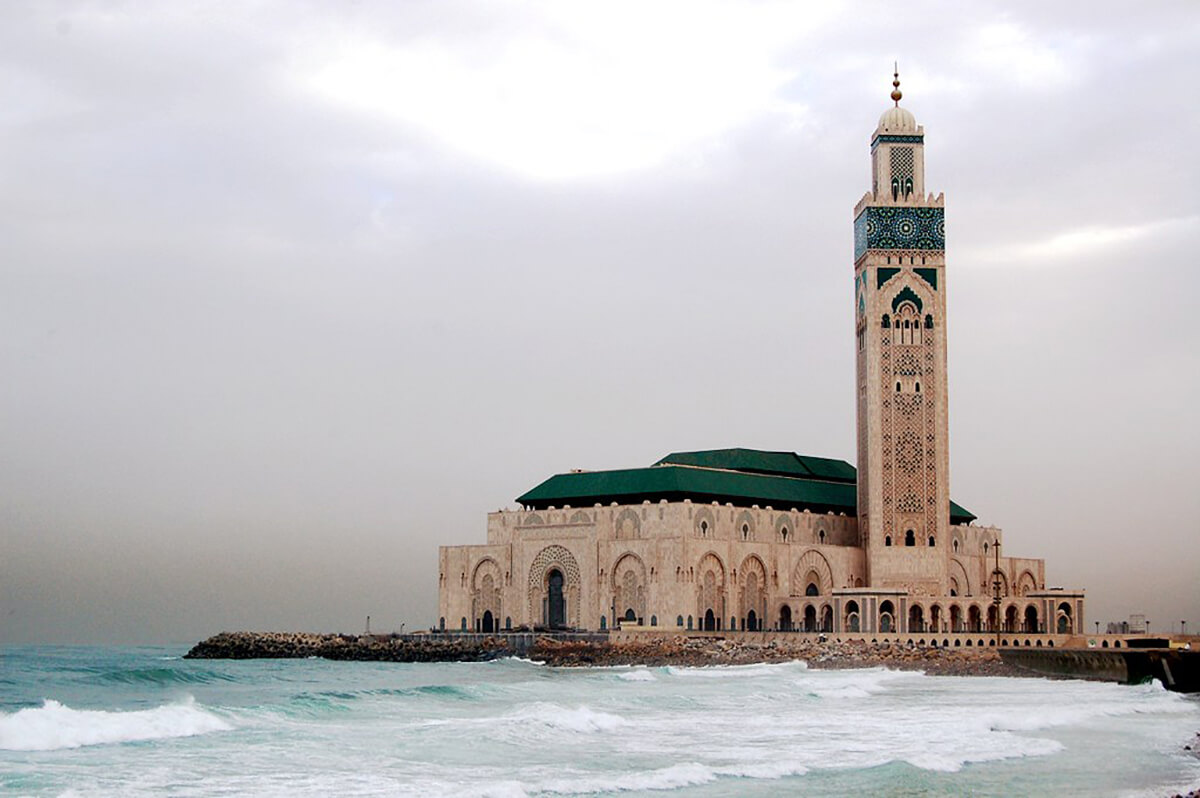
Hassan Mosque II
Rising dramatically above the Atlantic Ocean, the Hassan II Mosque is one of Casablanca’s most powerful landmarks and among the largest mosques in the world. Designed by French architect Michel Pinseau, the structure took nearly eight years to complete and involved the work of more than six thousand artisans from across Morocco. Its minaret, the second tallest on the planet, reaches an astonishing height of over six hundred feet, visible from many points throughout the city.
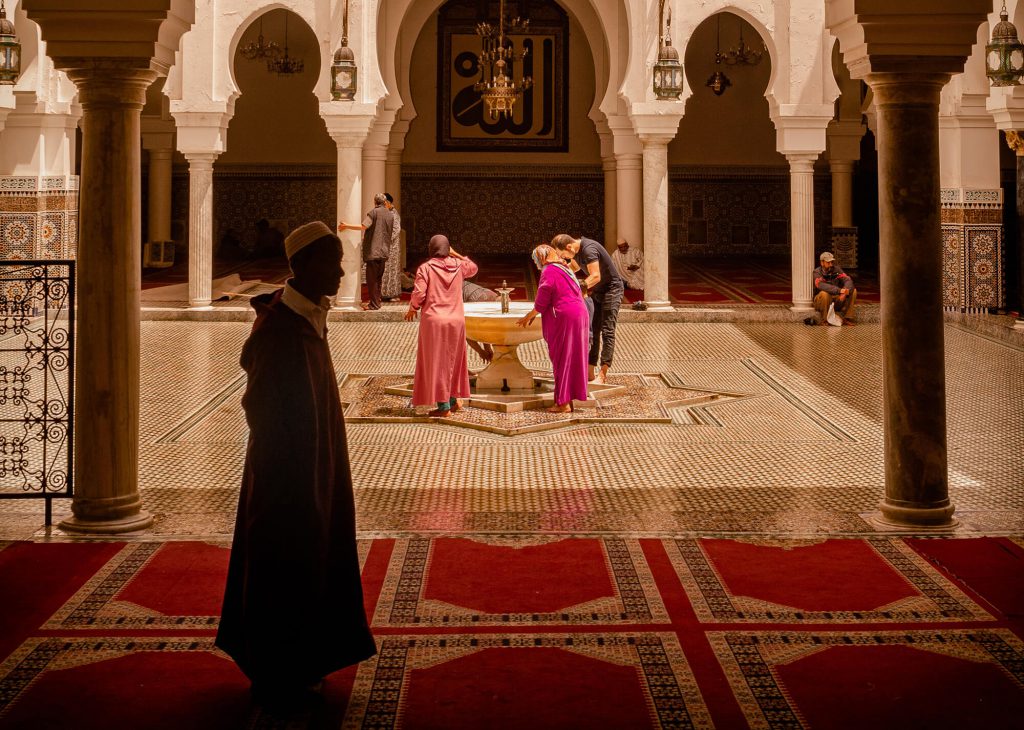
Inside, the scale and craftsmanship are equally breathtaking. Soaring ceilings frame enormous chandeliers, while carved marble columns, arches, and fountains create an atmosphere of calm and reverence. The main prayer hall alone can accommodate up to twenty-five thousand worshippers, and the surrounding complex includes baths, an ablution area, a library, a museum, and a Quranic school. One of the mosque’s most remarkable features is its retractable roof, which opens to the sky, along with sections of glass flooring that allow worshippers to pray above the ocean, accompanied by the rhythm of the waves below.
Non-Muslim visitors are welcome to explore the mosque through guided tours, which provide deeper insight into its architectural symbolism, construction, and cultural significance. Experiencing the Hassan II Mosque is not only a highlight of Casablanca but also a profound introduction to Morocco’s spiritual and artistic heritage.
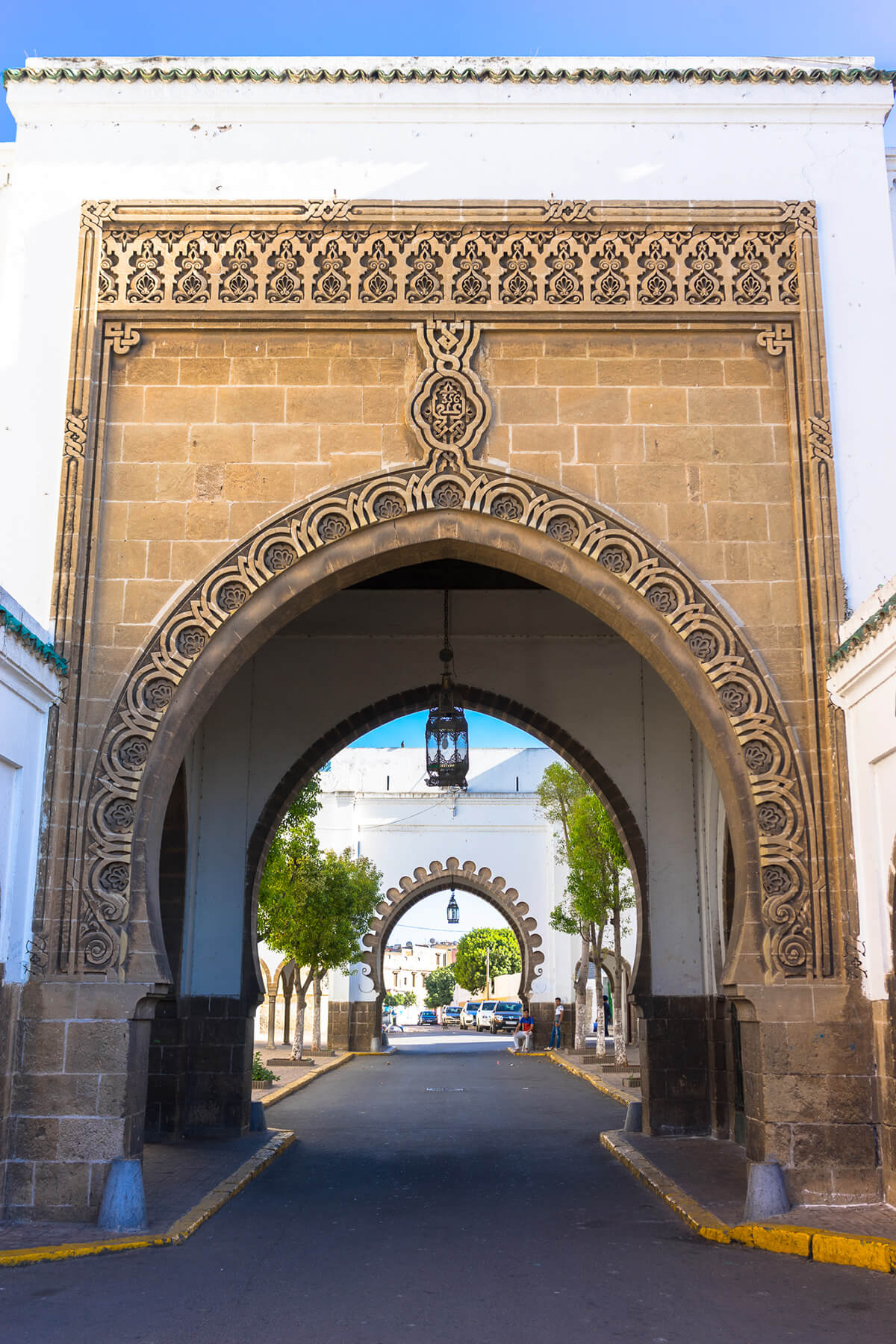
Quartier Habous
Often referred to as the “new medina,” Quartier Habous offers a gentler introduction to Casablanca’s traditional side. Built by the French in the 1930s, the neighborhood blends classic Moroccan design with European urban planning, resulting in wide streets, graceful archways, and an atmosphere that feels both familiar and refined. Compared to the old medina, it is easier to navigate and far less hectic, making it an enjoyable place to wander at a slower pace.
Sidewalk cafés add a distinctly European feel, inviting visitors to sit, observe, and take in everyday life. The area is also known for its shops selling books, crafts, ceramics, and traditional goods, making it a great place to pick up authentic souvenirs without feeling rushed. Those with a sweet tooth should not miss a stop at the renowned Bennis Habous pâtisserie, where beautifully made Moroccan pastries provide a delicious introduction to local flavors. Quartier Habous is an ideal place to begin exploring Casablanca, combining comfort, culture, and charm in one walkable neighborhood.
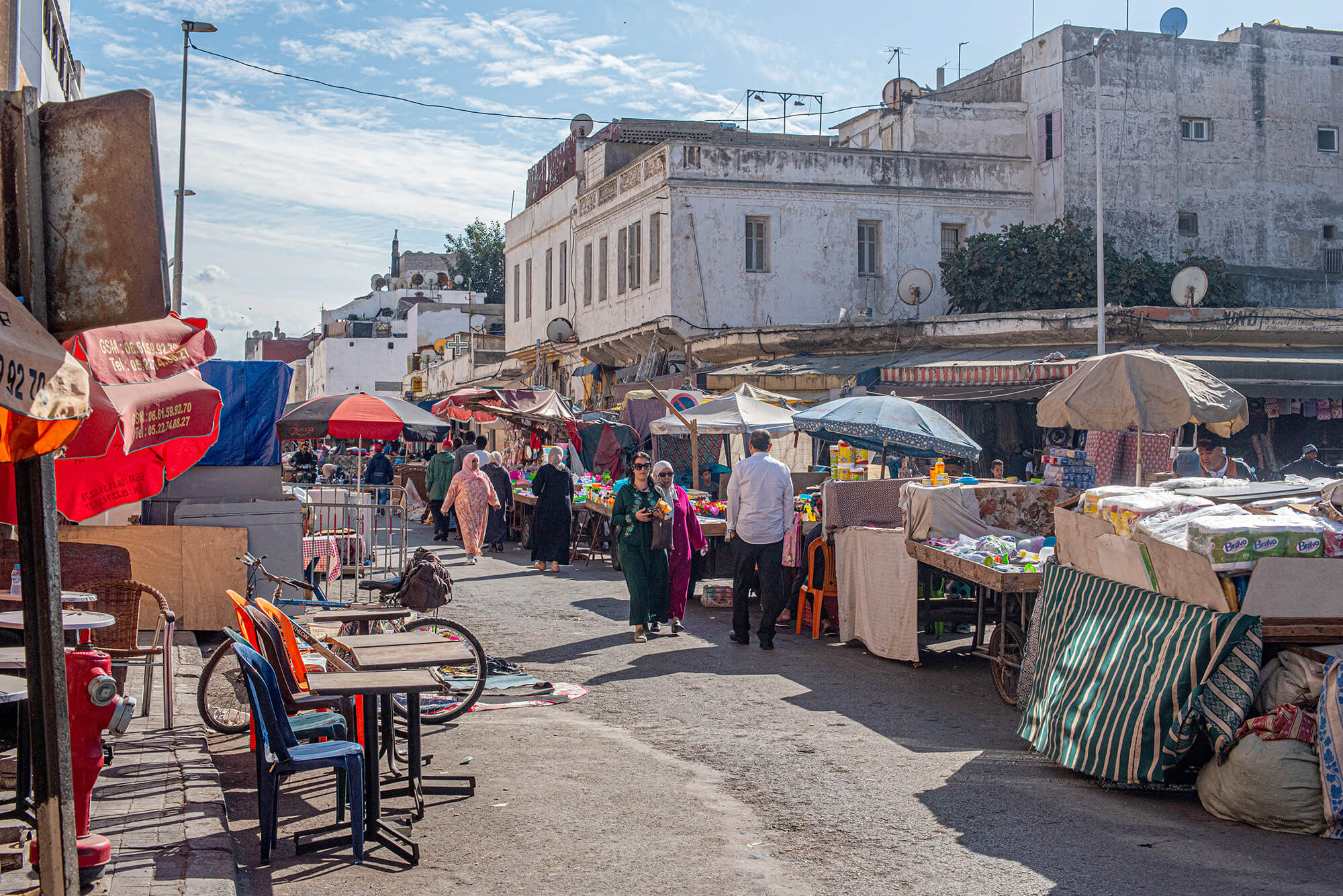
Ancienne Medina
No visit to Casablanca feels complete without wandering through its old medina, where the city’s everyday life unfolds at street level. This is a place to let go of direction and simply move with the flow, weaving through narrow lanes alongside locals going about their daily routines. The atmosphere is lively yet grounded, offering a more intimate look at the city’s character than its modern avenues.
Inside the medina, small shops spill out onto the streets, selling leather goods, spices, fresh produce, antiques, and traditional household items. Many of these businesses have been run by the same families for generations, and browsing their displays often leads to unexpected discoveries. When it’s time to pause, outdoor cafés tucked along the alleyways provide the perfect excuse for a mint tea break and a moment to observe the rhythms of local life. The Ancienne Medina may be modest in size, but it remains one of Casablanca’s most authentic and rewarding places to explore.
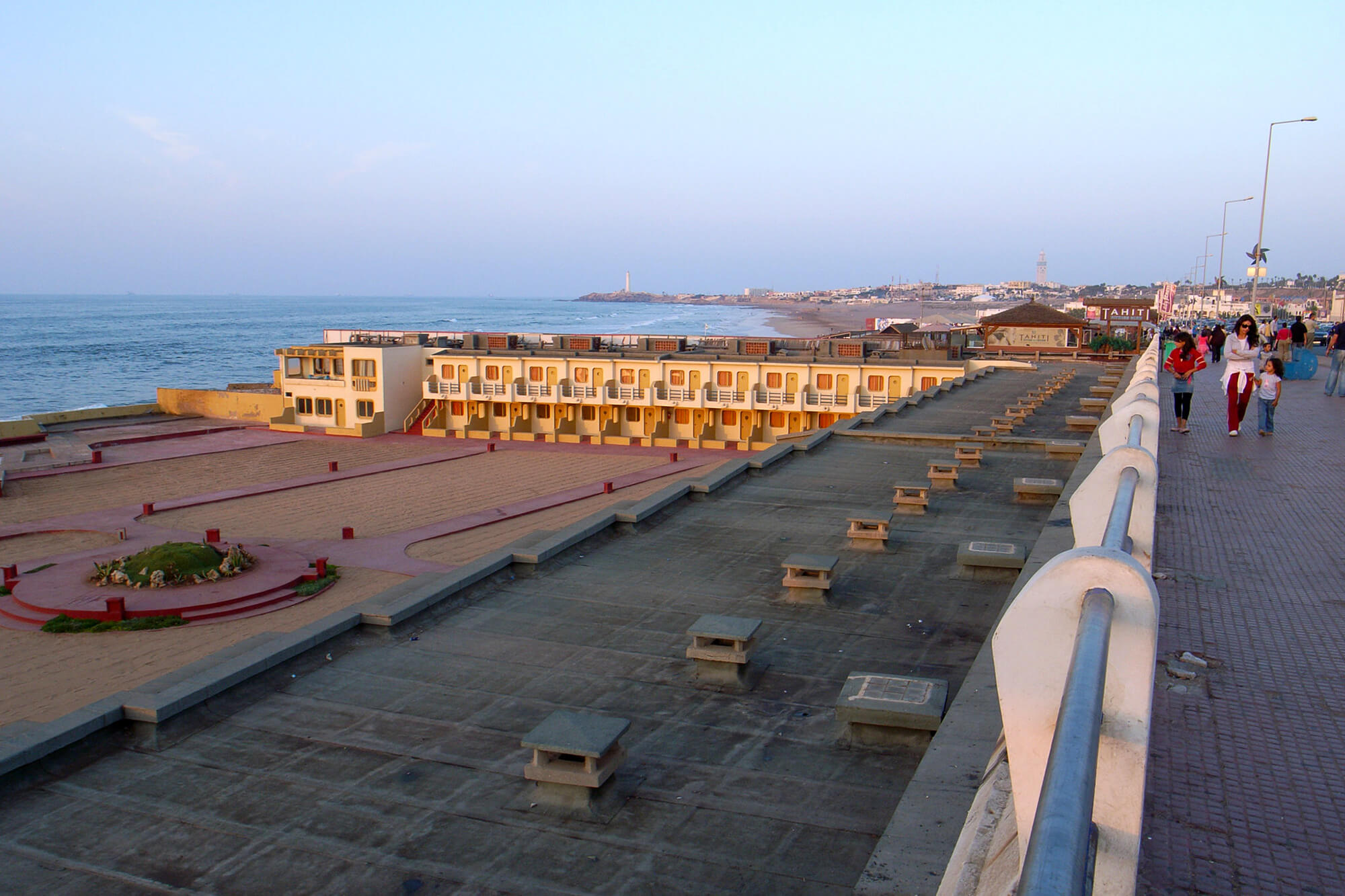
The Corniche
Casablanca’s relationship with the Atlantic Ocean becomes most visible along the Corniche, where the pace of the city softens and the horizon opens up. This seaside promenade offers a refreshing contrast to the busy streets inland, making it an ideal place to take a break and enjoy a different side of the city. Walking along the boardwalk, the sound of waves and the salty breeze create a sense of escape that feels far removed from the urban bustle.
The area is lined with sandy beaches, cafés, restaurants, and beach clubs, many of which offer sweeping ocean views. It’s a popular spot for long lunches, sunset strolls, and evenings out, when the Corniche comes alive with music and nightlife. Whether you’re looking to relax by the water, enjoy a meal with a view, or experience Casablanca after dark, the Corniche provides a laid-back coastal atmosphere that highlights the city’s modern, cosmopolitan character.
Abderrahman Slaoui Museum
Tucked inside a beautifully restored residence, the Abderrahman Slaoui Museum offers an intimate look into Morocco’s artistic and cultural heritage through a private lens. The museum is built around the personal collection of Moroccan businessman and art collector Abderrahman Slaoui, whose passion for preserving cultural objects is evident throughout the space. Spread across several floors, the museum also includes a top-floor café, making it an inviting place to linger.
On display is a rich assortment of Moroccan jewelry, ceramics, paintings, and orientalist posters, each offering insight into the country’s evolving artistic expressions. Temporary exhibitions highlight contemporary works, creating a thoughtful dialogue between past and present. The museum also hosts public workshops in weaving, photography, and calligraphy, allowing visitors to engage more deeply with creative traditions. A visit here adds texture to the understanding of Casablanca’s cultural life and provides a quieter, reflective counterbalance to the city’s larger landmarks.
Rick’s Café
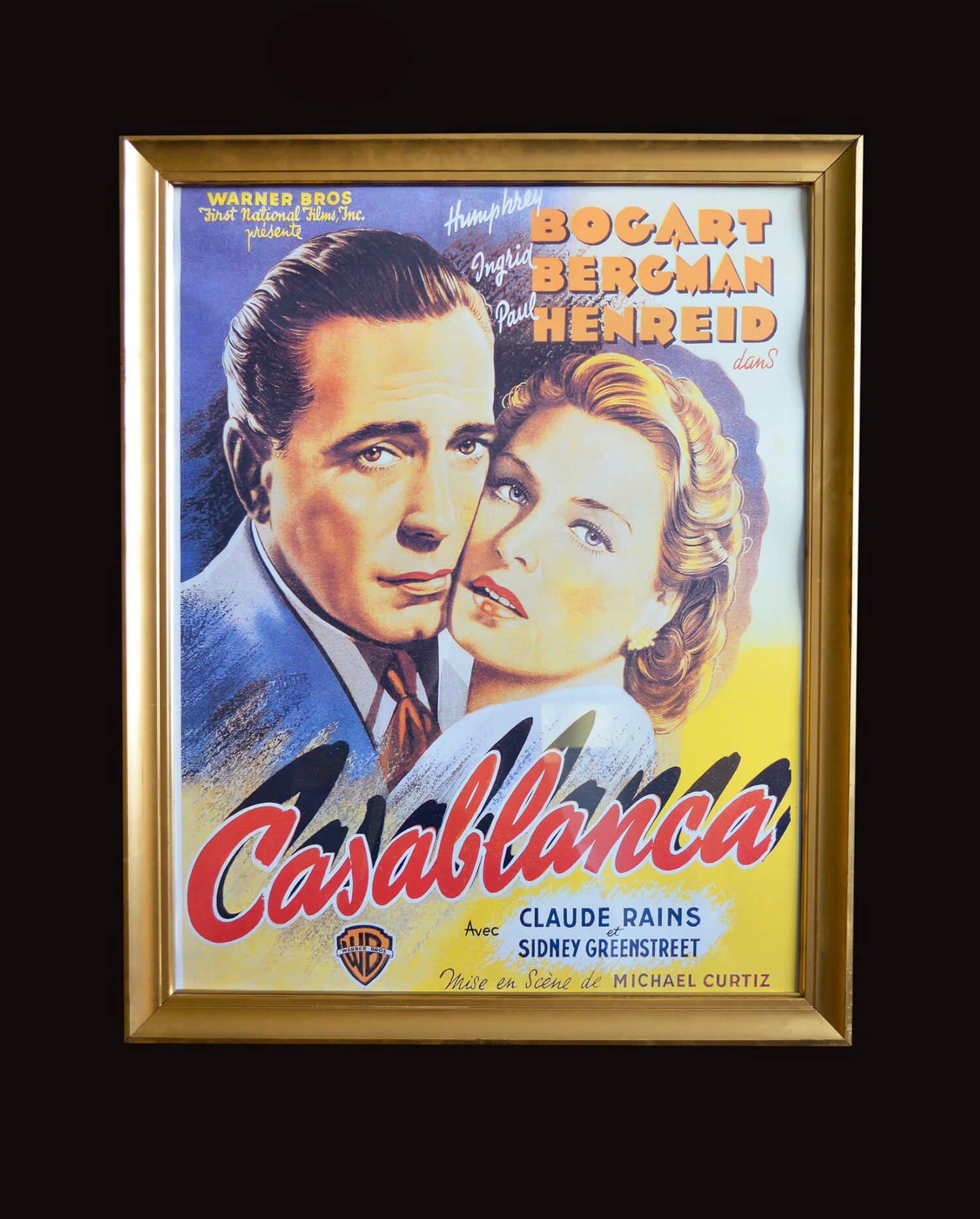
For a touch of cinematic nostalgia, Rick’s Café offers a playful tribute to the classic 1942 film Casablanca. Although the movie itself was filmed on a Hollywood set rather than in Morocco, this carefully crafted restaurant recreates the spirit of Rick Blaine’s legendary bar with impressive attention to detail. Located near the old medina, the café opened in 2004 inside a traditional Moroccan mansion, blending film-inspired design with authentic local craftsmanship.
Inside, curved arches, carved woodwork, tiled floors, and softly glowing lamps create an atmosphere that feels timeless and intimate. Balconies overlook the dining space, while a sculpted bar anchors the room much like it did on screen. Adding to the experience, a live pianist plays familiar tunes from the 1930s, ’40s, and ’50s, completing the old-Hollywood ambiance. Whether you stop by for dinner or a cocktail, Rick’s Café is less about realism and more about stepping into a romanticized moment of film history, reimagined in the heart of Casablanca.
Visit Notre Dame de Lourdes
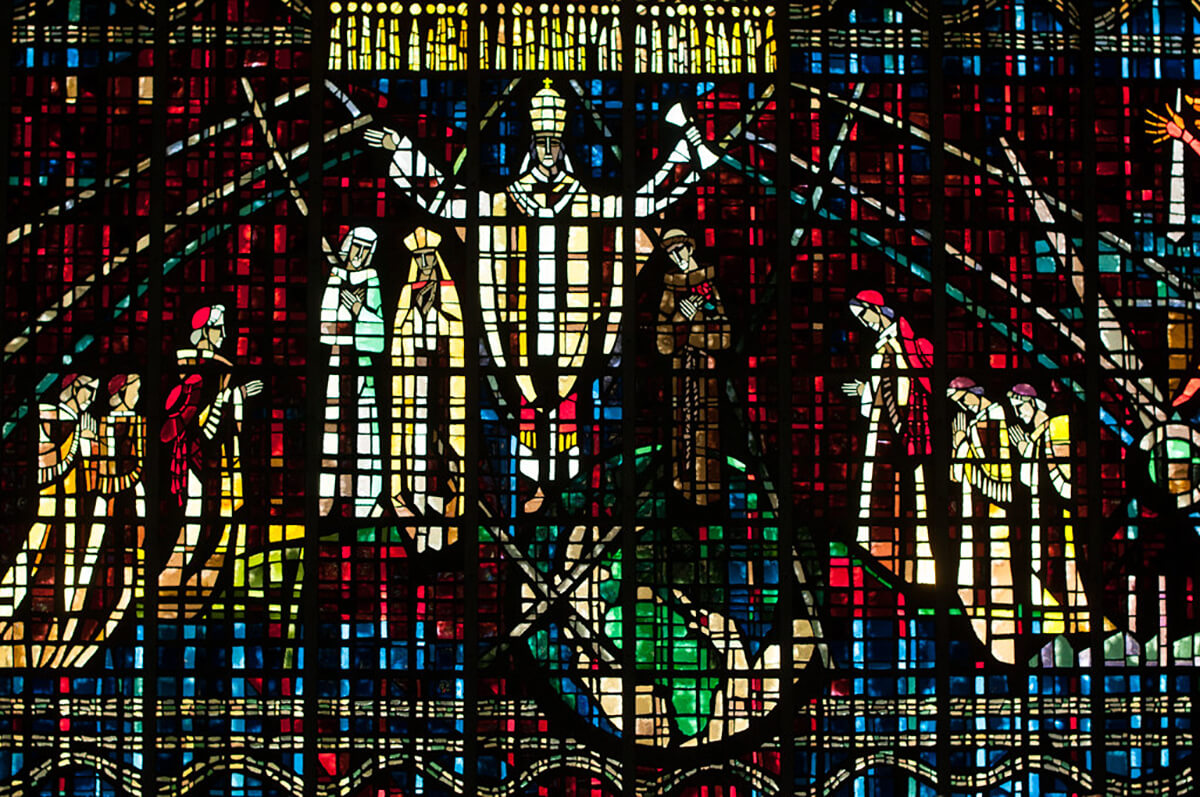
From the outside, Notre Dame de Lourdes appears modest and understated, but stepping inside reveals one of Casablanca’s most surprising interiors. The church is best known for its extraordinary stained-glass windows, which transform the space into a wash of color and light. Designed by French glass artist Gabriel Loire, the windows stretch from floor to ceiling, casting shifting hues across the walls as daylight moves through the building.
The effect is quietly mesmerizing, creating an atmosphere that feels both peaceful and otherworldly. Unlike traditional stained glass found in many European churches, these modern designs feel bold and expressive, offering a unique visual experience. Open daily and free to enter, Notre Dame de Lourdes provides a moment of stillness and reflection, as well as a striking example of Casablanca’s cultural diversity and artistic openness.
Villa Des Artes de Casablanca
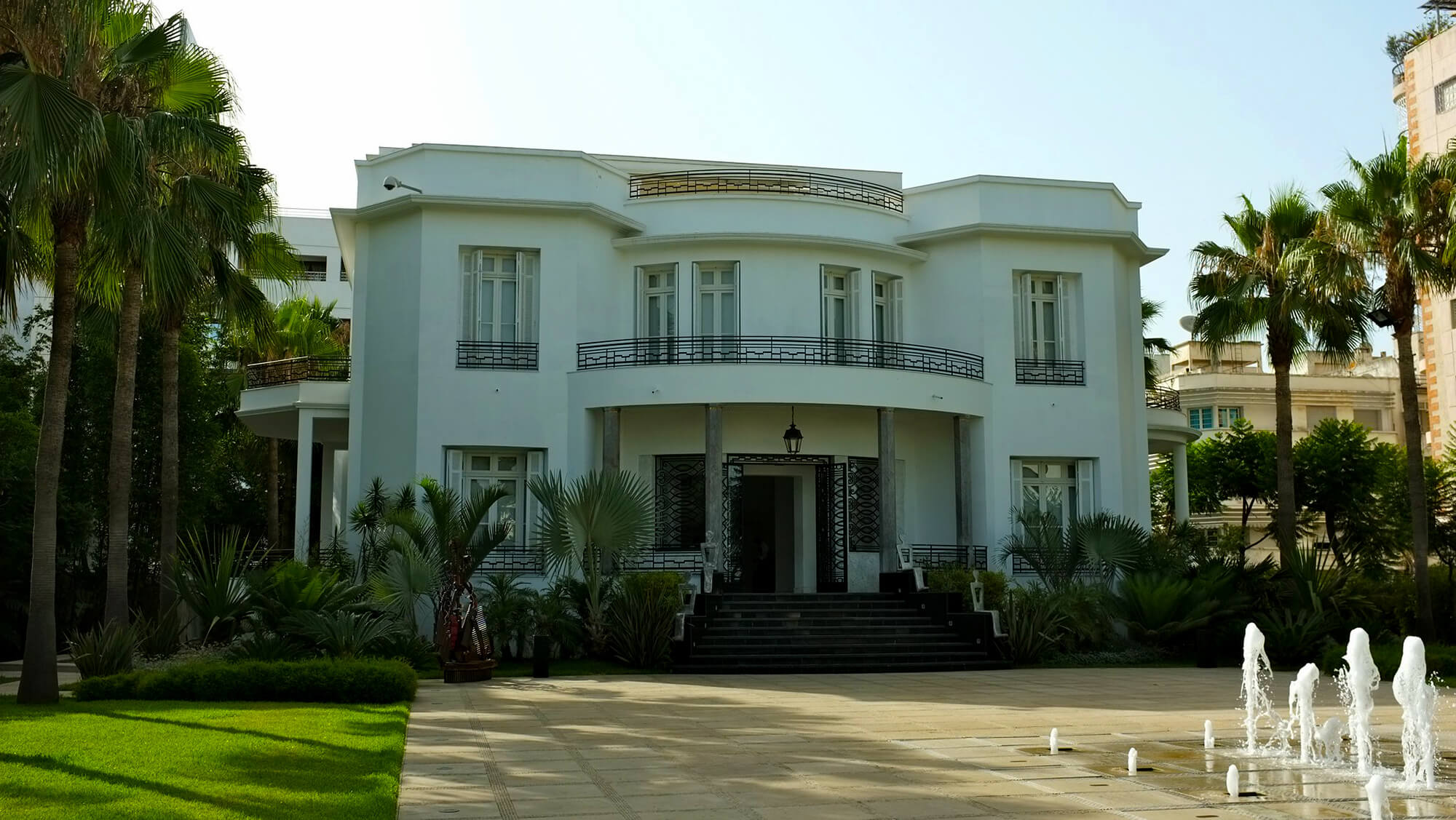
Casablanca’s creative pulse is especially evident at Villa des Arts, one of the city’s most important cultural institutions. Housed in an elegant Art Deco villa dating back to 1934, the space blends historic architecture with contemporary artistic expression. Since opening its doors in 1999, the foundation has played a key role in supporting Moroccan and international artists through exhibitions, educational programs, and public events.
Inside, rotating exhibitions showcase a wide range of modern and contemporary works, including painting, sculpture, photography, and mixed media. The villa also hosts lectures, seminars, music performances, and workshops, making it an active meeting point for artists, students, and visitors alike. Surrounded by gardens and quiet outdoor spaces, Villa des Arts offers a thoughtful pause from the city’s faster pace and a deeper look into Casablanca’s evolving cultural scene.
The Museum of Moroccan Judaism
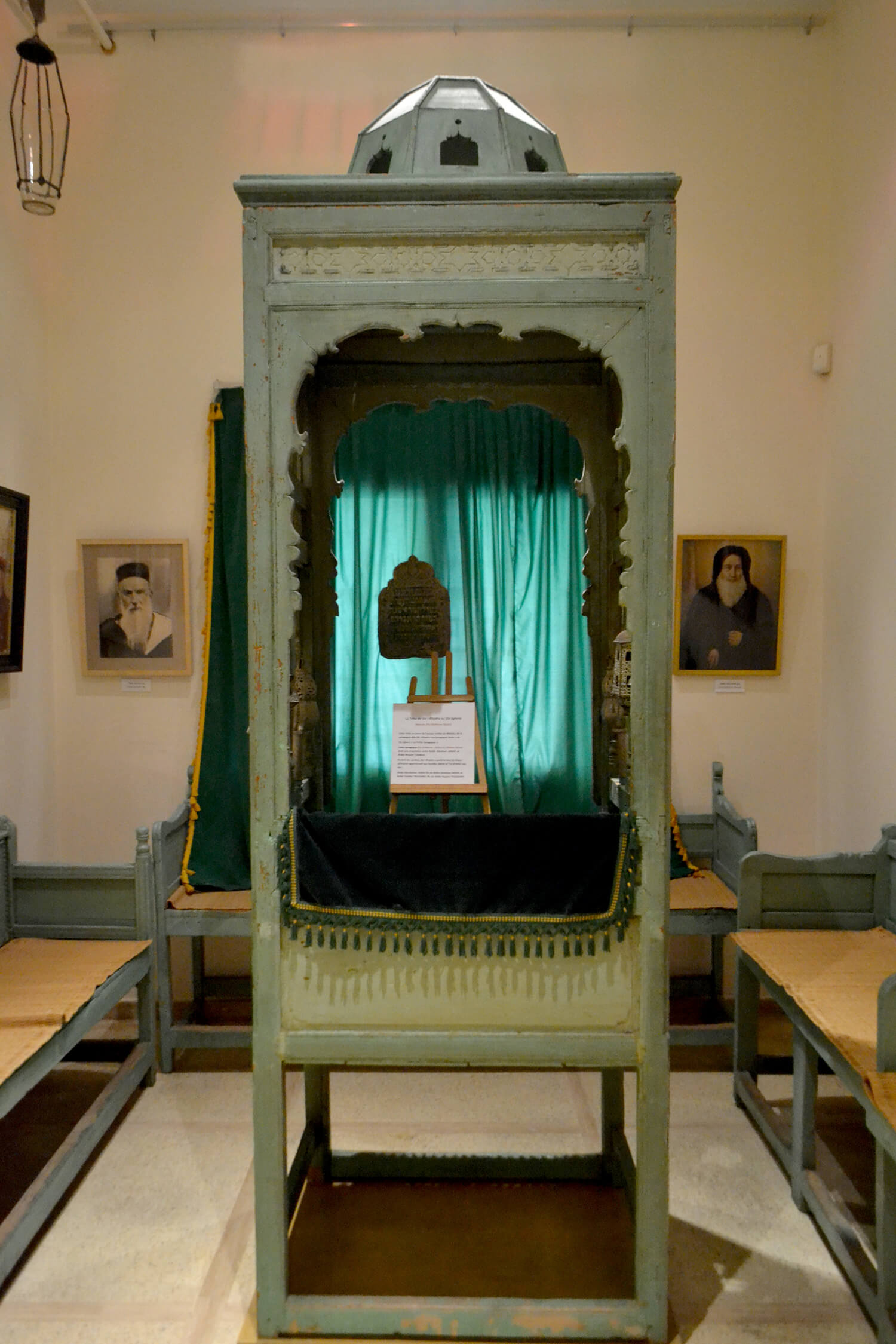
Located in the quiet residential neighborhood of Oasis, the Museum of Moroccan Judaism offers a rare and meaningful insight into a community that has been an integral part of Morocco’s history for centuries. It is the only museum in the Arab world dedicated entirely to Judaism, making it a culturally significant stop for visitors interested in Morocco’s diverse heritage.
The museum’s collection includes religious and everyday artifacts such as traditional jewelry, ceremonial costumes, manuscripts, prayer objects, and historical photographs that document Jewish life throughout Morocco. A permanent exhibition traces traditions, rituals, and community life, while an on-site library preserves valuable written records. Established in 1997 by the Moroccan Jewish community, the museum presents an intimate perspective on a culture within a culture, highlighting coexistence, shared history, and the richness of Morocco’s plural identity.
Explore Art Deco
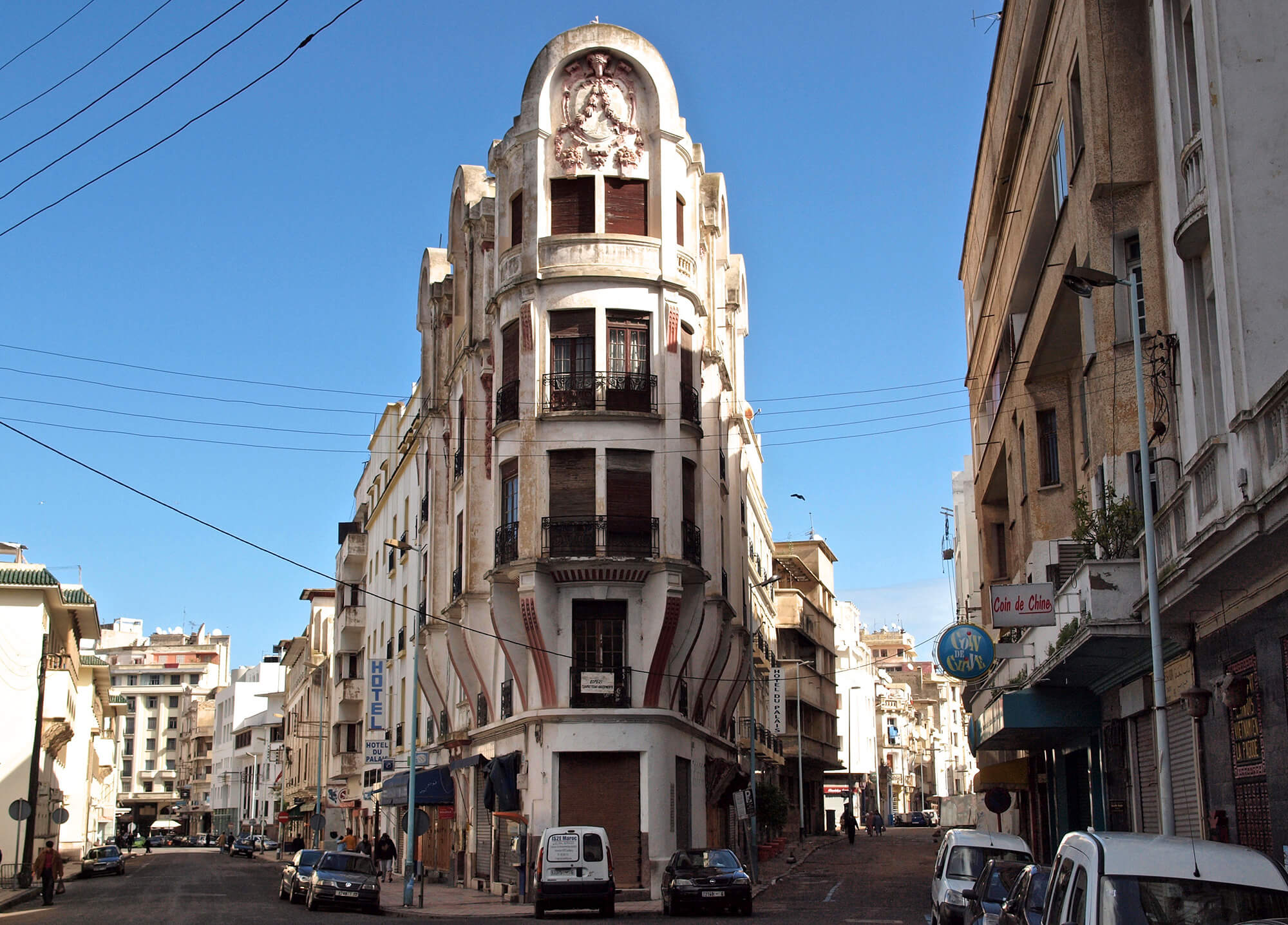
Casablanca’s streets reveal an architectural identity unlike anywhere else in Morocco. During the early to mid-20th century, Art Deco and Art Nouveau styles flourished here under French influence, leaving behind a remarkable collection of buildings that still define the city’s visual character today. Walking through central neighborhoods, you’ll notice elegant façades, geometric lines, curved balconies, and decorative details that speak to a time when Casablanca was envisioned as a modern, forward-looking metropolis.
These buildings reflect a blend of European design and Moroccan craftsmanship, creating a unique architectural dialogue between cultures. Exploring the city’s Art Deco heritage offers insight into Casablanca’s past as well as its continued sense of ambition and style. It’s an experience best enjoyed slowly, allowing details to emerge naturally as you move through the city’s avenues and side streets.
—
Casablanca may not attract the same number of visitors as Morocco’s imperial cities, but its appeal lies in its contrasts. The city’s cosmopolitan energy, oceanfront setting, and architectural diversity create an experience that feels distinctly modern while still deeply rooted in history. From monumental religious landmarks and historic medinas to creative museums and seaside promenades, Casablanca reveals itself through layers rather than spectacle.
For travelers willing to look beyond first impressions, the city offers rewarding discoveries and a deeper understanding of contemporary Moroccan life. Its hidden gems, cultural institutions, and coastal atmosphere make Casablanca an essential stop for those seeking a broader perspective on Morocco’s urban identity.
🧭 FAQs
Q: Is Casablanca worth visiting for tourists?
Yes. Casablanca offers a different perspective on Morocco, with a modern, cosmopolitan atmosphere, impressive architecture, cultural museums, and a scenic oceanfront.
Q: How many days should you spend in Casablanca?
One to two days is usually enough to see the main highlights, including the Hassan II Mosque, the medina, museums, and the Corniche.
Q: What is Casablanca best known for?
Casablanca is best known for the Hassan II Mosque, its Art Deco architecture, oceanfront setting, and its role as Morocco’s business and economic capital.
Q: Is Casablanca more modern than other Moroccan cities?
Yes. Casablanca is Morocco’s most modern city, with contemporary infrastructure, international businesses, and a more European-influenced urban lifestyle.
Q: Can non-Muslims visit the Hassan II Mosque?
Yes. Non-Muslims can enter the Hassan II Mosque through guided tours, which provide insight into its architecture, history, and religious significance.
Q: Is Casablanca safe to explore on foot?
Casablanca is generally safe in central and tourist-friendly areas. As with any large city, staying aware of your surroundings is recommended.
Q: What is the best area to stay in Casablanca?
Popular areas include the city center, Gauthier, Racine, and the Corniche, which offer good access to attractions, restaurants, and the ocean.
Q: Are there beaches in Casablanca?
Yes. Casablanca has several beaches along the Corniche, where visitors can walk, dine by the sea, or enjoy beach clubs and nightlife.
Q: Is Casablanca good for art and culture lovers?
Absolutely. The city has a strong cultural scene with museums, galleries, Art Deco architecture, and creative spaces like Villa des Arts.
Q: How does Casablanca compare to Marrakech or Fez?
Casablanca feels more urban and contemporary, while Marrakech and Fez are more traditional and historic. Visiting Casablanca adds balance to a Morocco itinerary.
—
Editor’s Note: This post was originally published in 2021 and updated in January 2026 for accuracy and freshness.
OTHER POSTS