Meknes is often overlooked, but this city mesmerizes with its spectacular, cultural landmarks that rival those of bigger Moroccan cities. From elaborate palace ruins to a massive underground prison, Meknes is loaded with history.
Often overshadowed by Fez and Marrakech, Meknes is a hidden gem that rewards those who take the time to explore it. Rich in history and character, this imperial city offers a more intimate and less crowded experience compared to Morocco’s more famous destinations.
Originally known as Meknassa, the city traces its roots back to an Amazigh (Berber) tribe that settled here in the 8th century. Its strategic importance grew under the Almoravids in the 11th century, when towering ramparts—some reaching up to 15 meters—transformed Meknes into a formidable stronghold. Later, in the late 17th century, Sultan Moulay Ismail made it the capital of Morocco, shaping it into one of the country’s great imperial cities.
Behind its imposing walls lie monumental gates, grand palaces, mosques, hammams, and traditional fondouks (inns), many designed in elegant Spanish-Moorish style. Today, Meknes offers a fascinating journey through time, where history, architecture, and the culture of Morocco come together in a setting that feels both authentic and accessible.
From historic landmarks to lively souks and hidden corners, Meknes is a city full of discoveries waiting to be made.
Place el Hedim
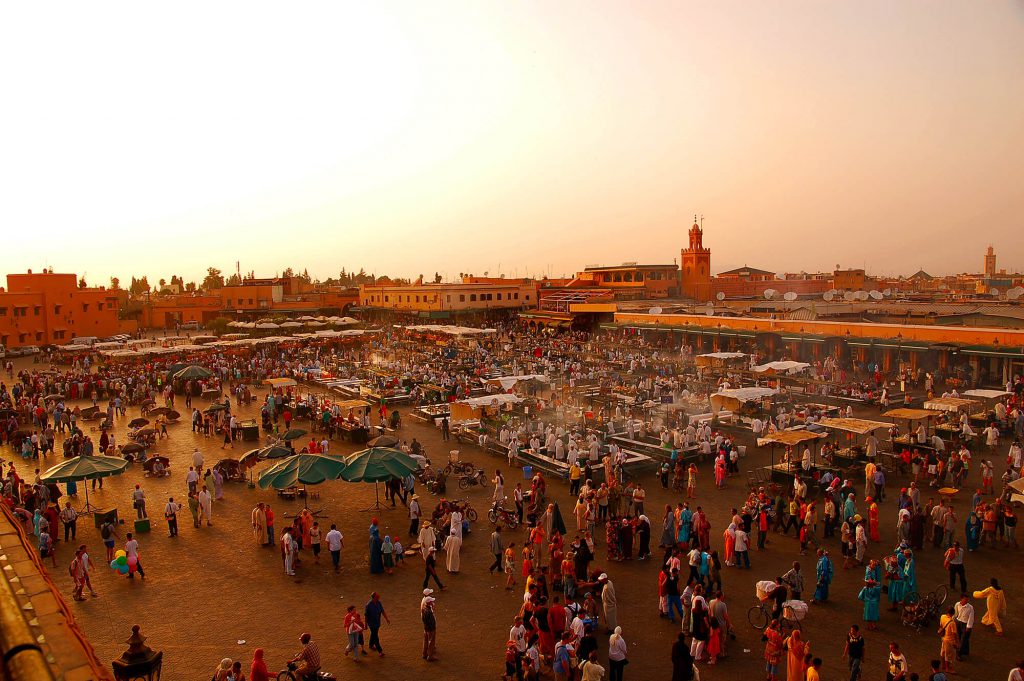
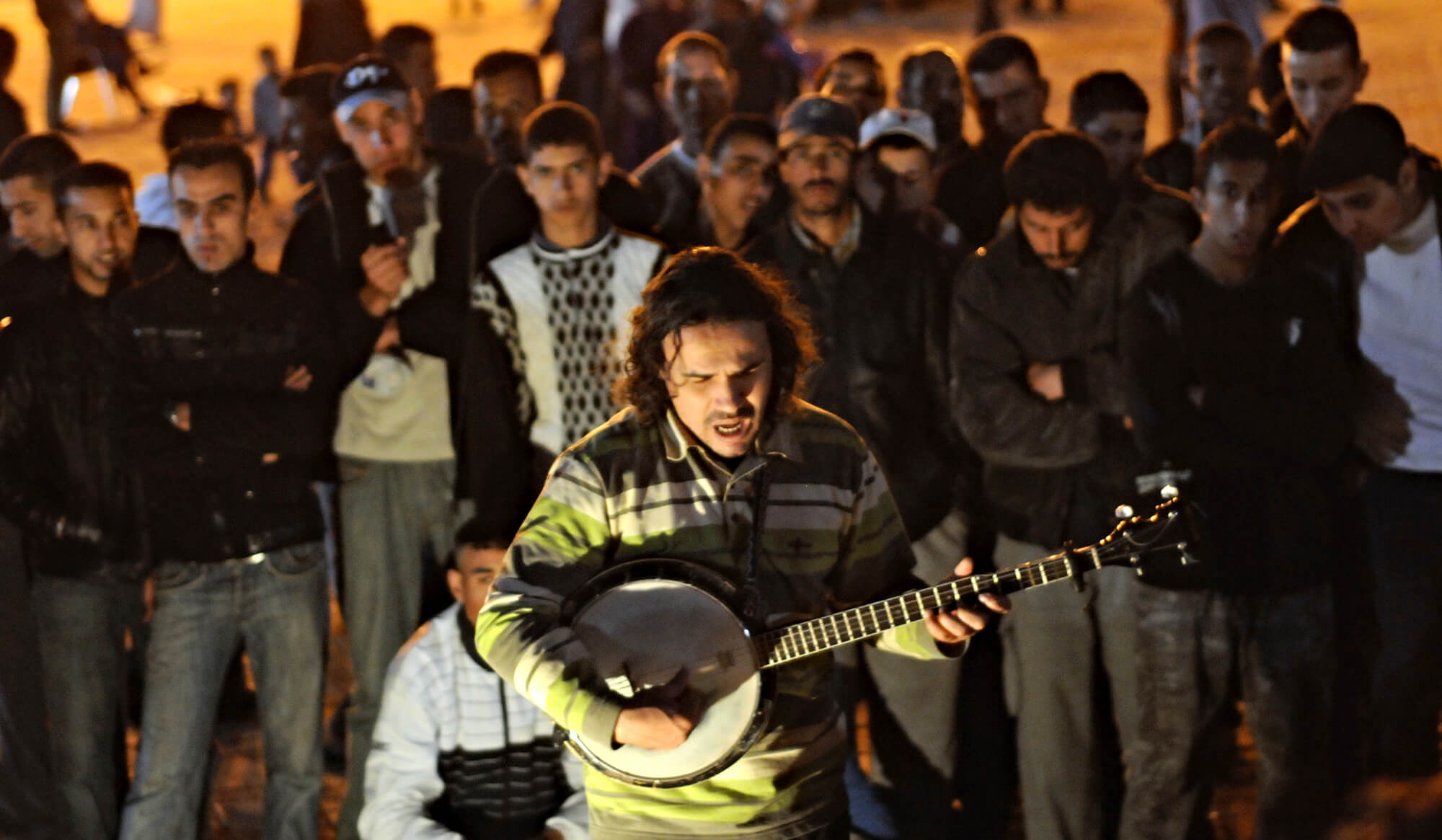
Place el Hedim is the lively heart of Meknes, serving as a central gathering point where locals and visitors come together to experience the city’s vibrant atmosphere. Much like the famous squares of other Moroccan cities, it offers a dynamic glimpse into everyday life and traditional street culture.
As evening falls, the square comes alive with performances from snake charmers, storytellers, acrobats, and musicians, creating an engaging and authentic cultural experience. It’s an ideal place to soak in the energy of Meknes, people-watch, and enjoy the rhythms of local life.
Dar el Kebira
Dar el Kebira, meaning “Great House,” is one of the most significant historical sites within Meknes’ imperial kasbah. Once the private residence of Sultan Moulay Ismail and his family, this grand palace complex formed the heart of royal life during the city’s peak as Morocco’s capital.
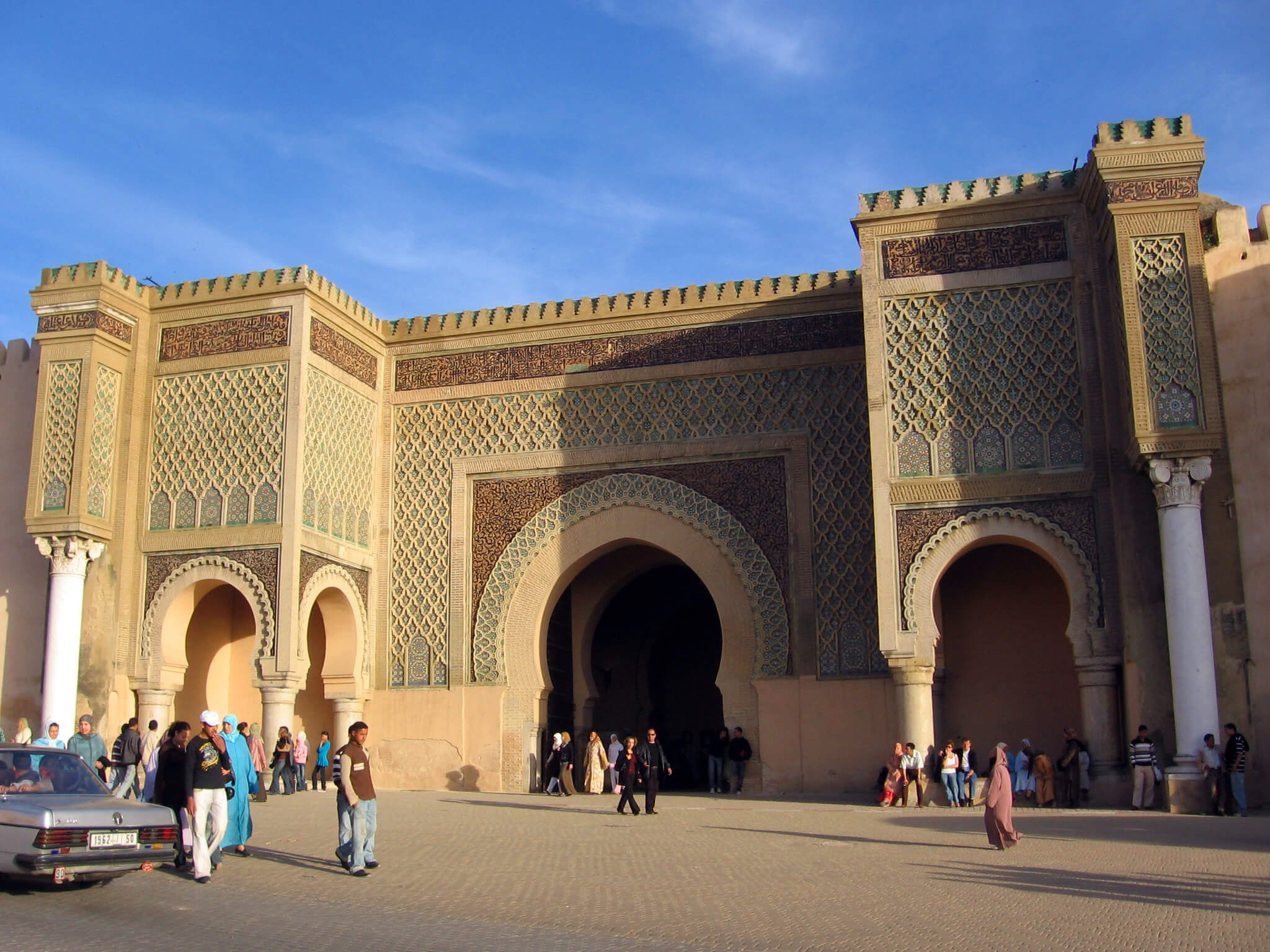
The palace was intricately connected to the Lalla Aouda Mosque and later extended toward the royal mausoleum, reflecting the scale and ambition of the Sultan’s vision. Although much of the structure has fallen into ruin over time, the remaining ramparts still stand proudly, offering a glimpse into the former grandeur of this imperial residence.
Today, Dar el Kebira remains a powerful reminder of Meknes’ golden age, where architecture and history come together in a dramatic and atmospheric setting.
Bab el Mansour
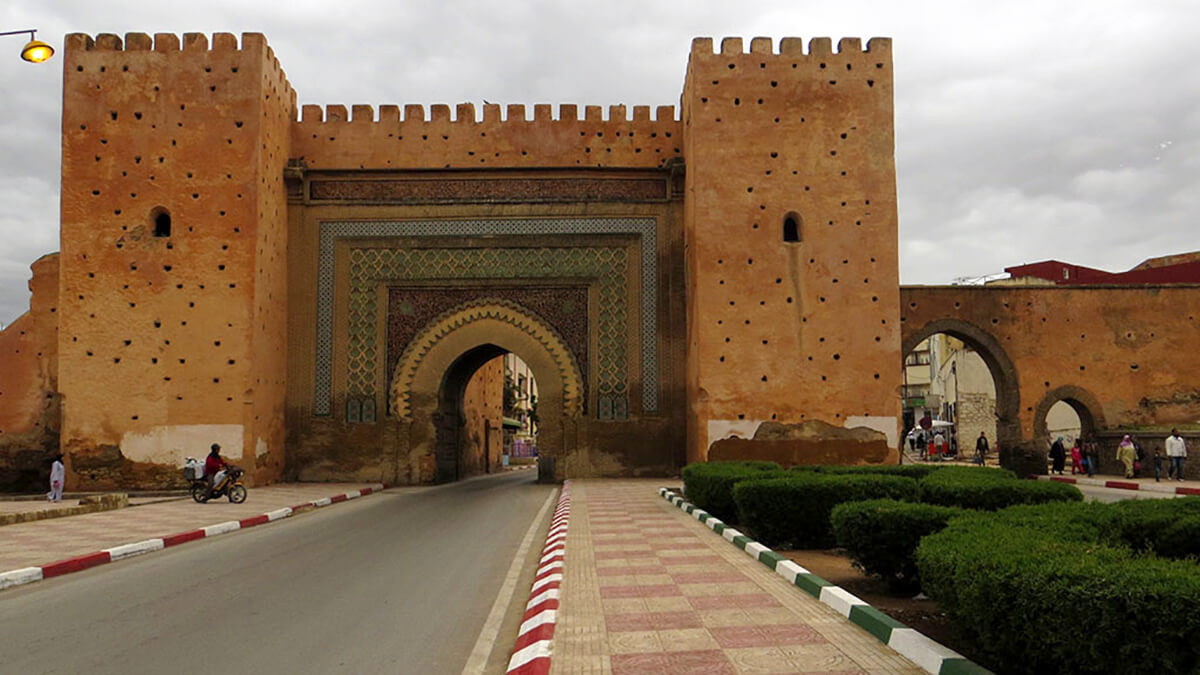
Bab el Mansour, known as the “Gate of Victory,” is one of the most iconic landmarks in Meknes and widely regarded as one of the most beautiful gates in North Africa. Standing approximately 16 meters tall, this grand entrance was completed in 1732 and serves as the main gateway between the imperial city and Place el Hedim.
Named after its architect, El Mansour Laalej, the gate is a masterpiece of Moroccan architecture. Its imposing structure is adorned with elegant horseshoe arches, intricate carved reliefs, and stunning green and white zellige tilework that reflect the artistry of the era.
Bab el Mansour is not only a symbol of Meknes’ former power and prestige but also a must-see attraction that showcases the city’s architectural brilliance and historical significance.
Qara Prison / Habs Qara
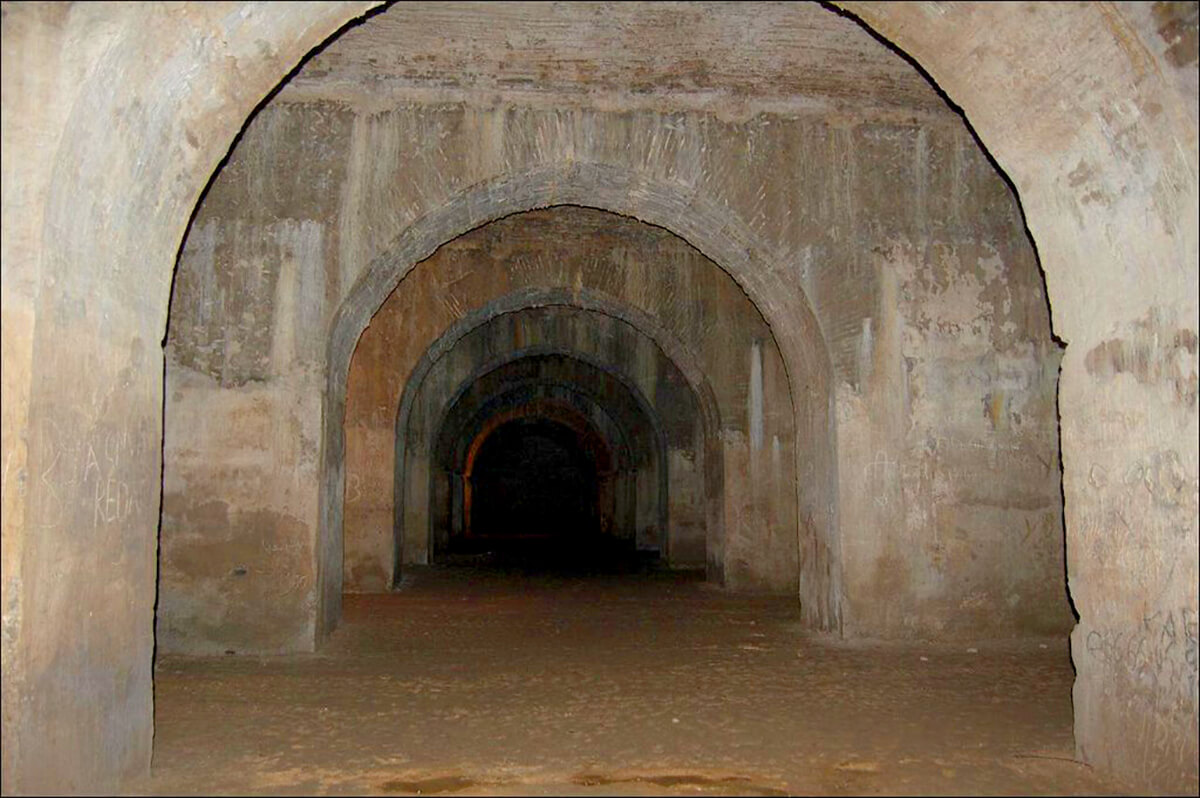
Hidden beneath the streets of Meknes, Qara Prison—also known as Habs Qara—is one of the city’s most intriguing and mysterious historical sites. Built in the 18th century, this विशाल underground complex extends across multiple levels and was designed to hold thousands of prisoners, many of whom were enslaved during the reign of Sultan Moulay Ismail.
The prison is composed of a vast network of corridors, chambers, and passageways that form a maze-like structure. With its low ceilings, narrow arches, and dim lighting, the space creates an intense and atmospheric experience, offering a glimpse into the harsh conditions prisoners once endured.
Small openings in the ceiling were reportedly used to pass food down to those imprisoned below, emphasizing the isolation of this subterranean world. Today, visitors can safely explore parts of the prison via a staircase, making it a fascinating and slightly eerie stop for those interested in Meknes’ lesser-known history.
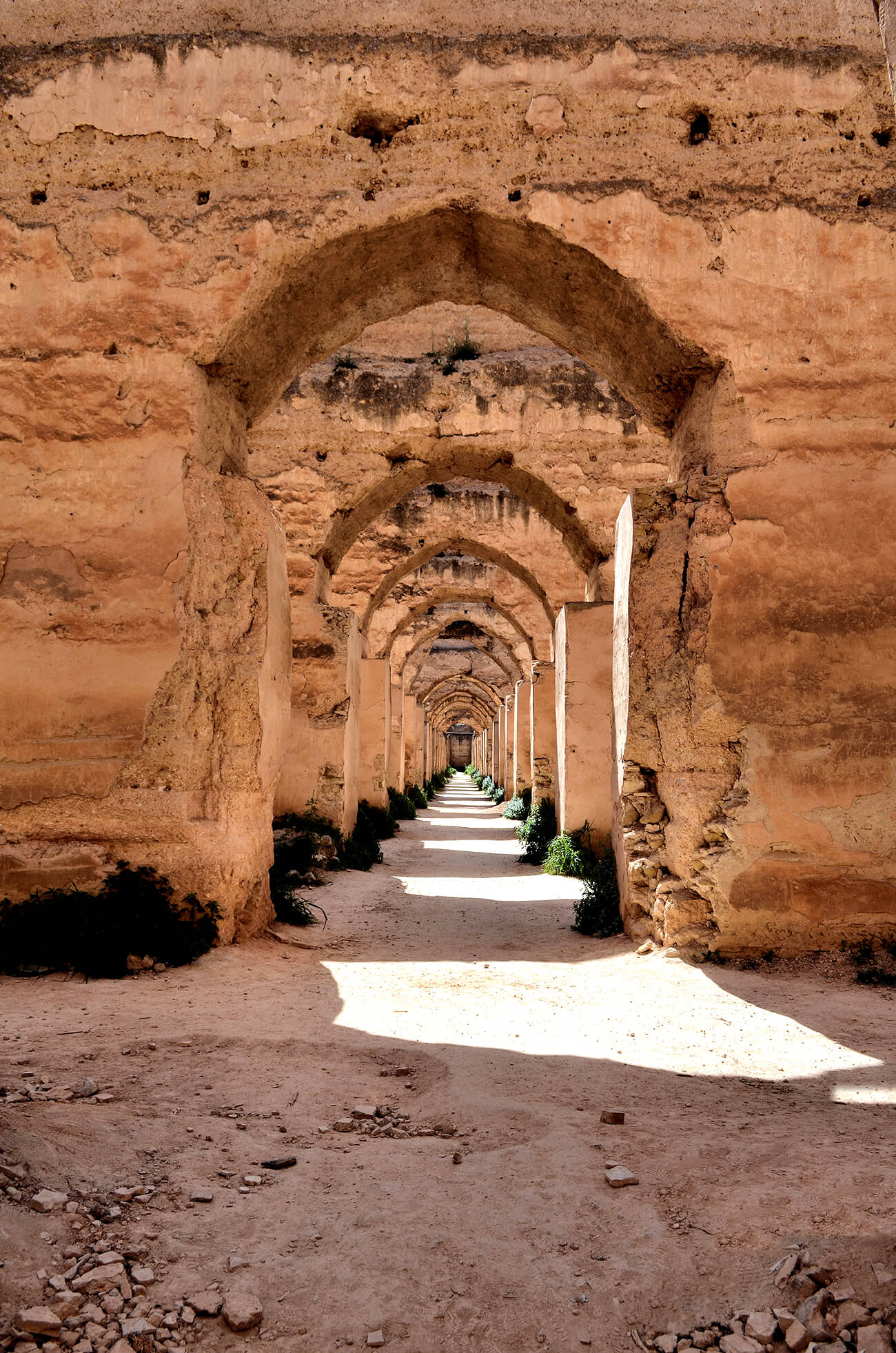
Heri Es Souani
Heri Es Souani is one of Meknes’ most impressive historical complexes, once serving as the royal stables and granaries of Sultan Moulay Ismail. At its peak, this vast structure housed up to 12,000 horses and stored enormous quantities of grain to sustain the imperial city.
Ingeniously designed, the complex was connected to the nearby Agdal Basin, which supplied a constant flow of fresh water. Underground cisterns and thick walls helped regulate temperature, keeping provisions cool and well-preserved even during the hottest months.
Today, although partially overgrown, the site still conveys its former grandeur. Visitors can wander through its massive archways, explore the many chambers, and admire original features such as the sturdy cedar wood doors. Heri Es Souani stands as a remarkable example of the scale and sophistication of Meknes during its imperial era.
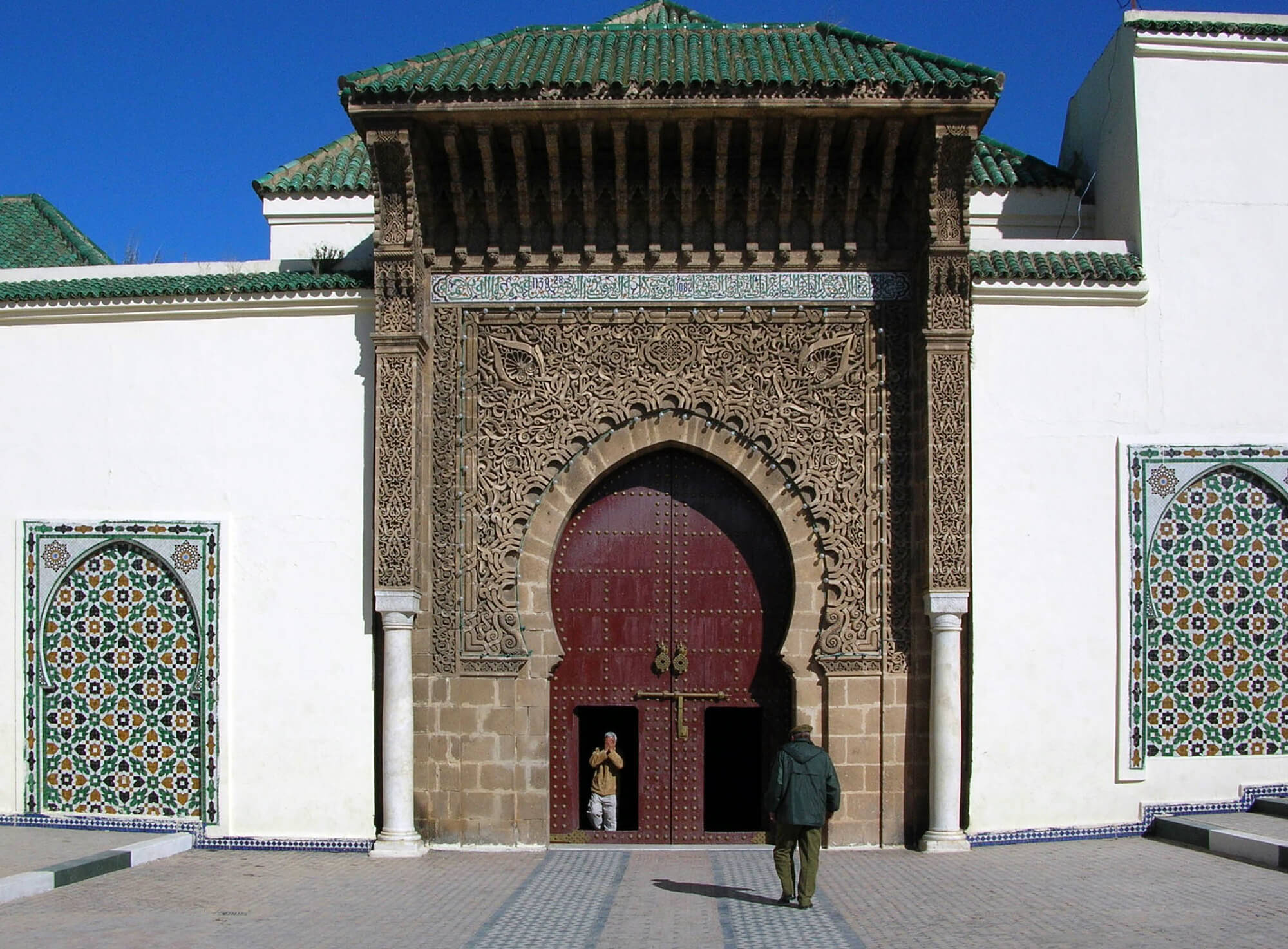
Mausoleum of Moulay Ismail
The Mausoleum of Moulay Ismail is one of Meknes’ most important and visually striking landmarks. Built in the 18th century, it serves as the final resting place of Sultan Moulay Ismail and is located near the royal palace at the heart of the city.
This beautifully preserved funerary complex is a masterpiece of Islamic architecture, featuring intricate zellige tilework, carved stucco, marble columns—some repurposed from the ancient Roman city of Volubilis—and elegant horseshoe arches. The interiors are richly adorned with chandeliers, fountains, and finely detailed craftsmanship that reflect the grandeur of the era.
One of the few religious sites in Morocco open to non-Muslim visitors, the mausoleum offers a rare opportunity to step inside a sacred and historically significant space. It remains a must-visit attraction for anyone exploring Meknes and its imperial heritage.
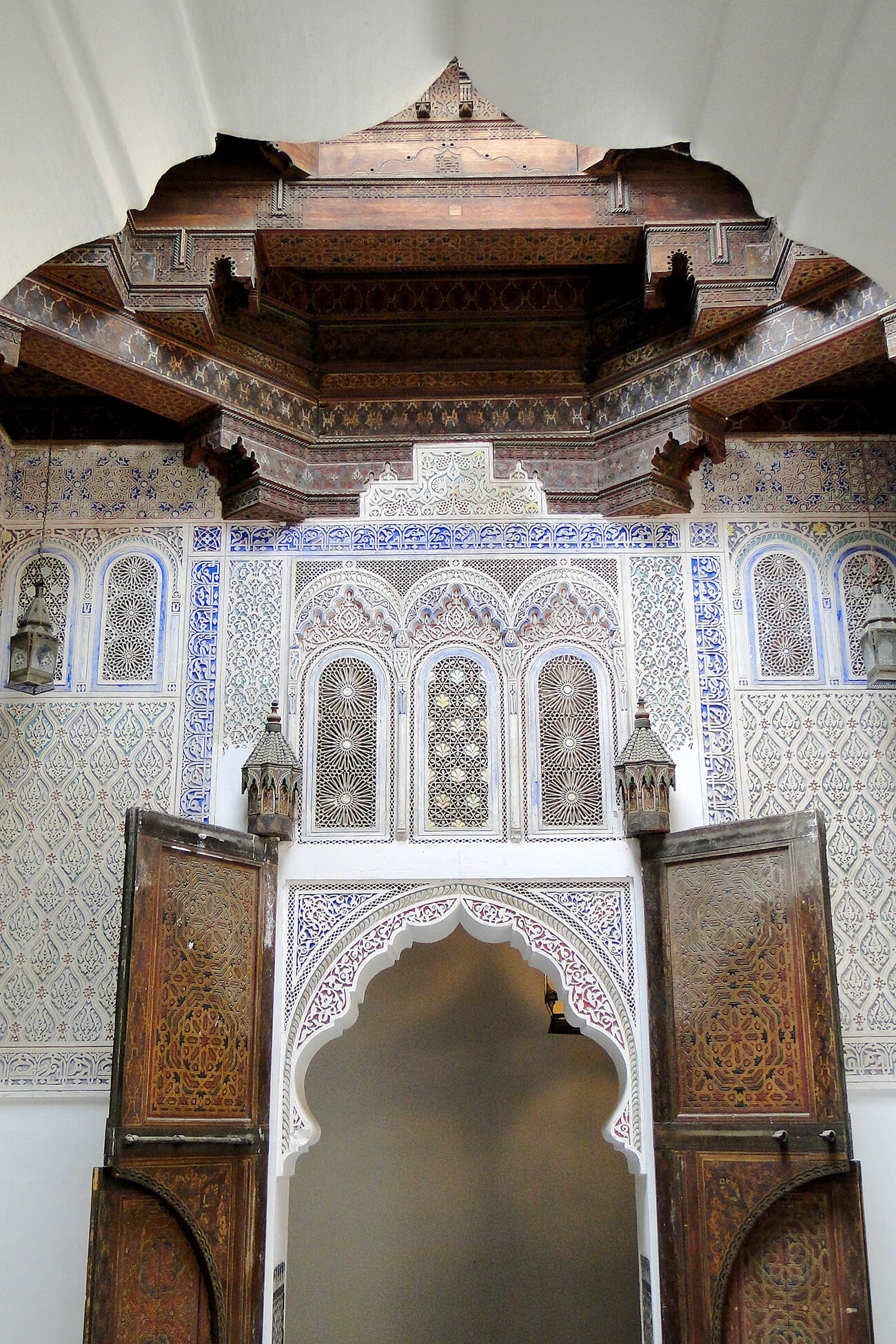
Dar Jamai Museum
Dar Jamai Museum, housed in a former 19th-century palace, offers a fascinating blend of architecture and cultural heritage. Originally commissioned by Mohammed Ben Larbi Jamai and later used as a military hospital, the building itself is a masterpiece, featuring ornate archways, intricate tilework, and finely carved wooden details.
Inside, the museum showcases a rich collection of artifacts from Meknes and across Morocco. Visitors can explore displays of rare carpets, traditional clothing, jewelry, leatherwork, ceramics, painted wood panels, and elaborately decorated chests.
The museum provides valuable insight into the lifestyle of the Jamai family as well as broader Moroccan culture, making it an essential stop for those interested in both history and craftsmanship. It’s a place where you can admire stunning architecture while discovering the artistic traditions that define the region.
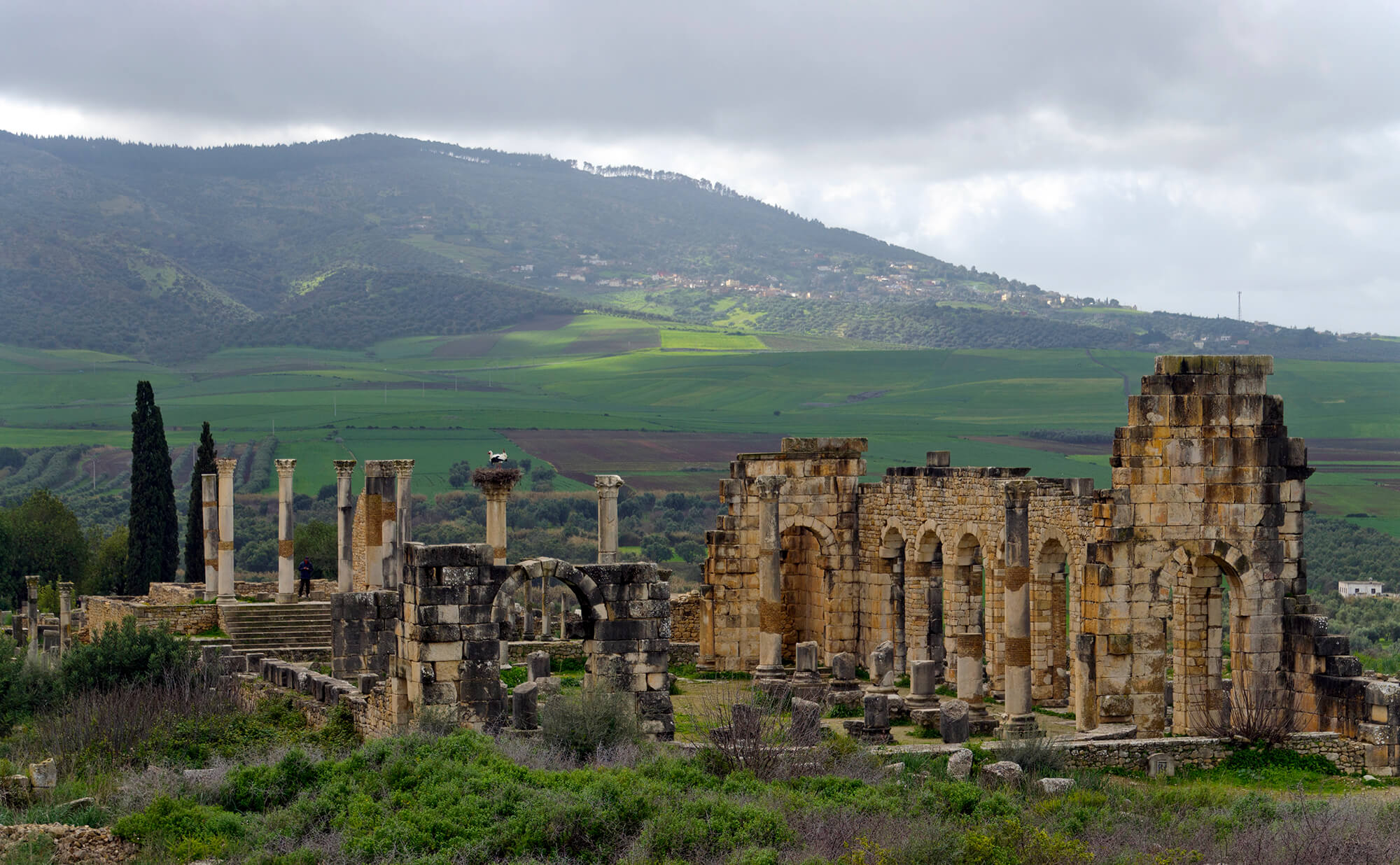
Volubilis
No visit to Meknes is complete without exploring the ancient Roman city of Volubilis, located between Meknes and Fez. Dating back to the 3rd century B.C., this remarkable site later became a thriving Roman outpost, leaving behind an impressive legacy of architecture and design.
Today, visitors can wander through the ruins of temples, basilicas, sanctuaries, and Roman baths, gaining insight into life during the height of the empire. One of the highlights of Volubilis is its beautifully preserved mosaics, which depict vivid mythological scenes and still decorate the floors of former Roman residences.
Although only partially excavated, the site offers a rich and immersive experience. Its peaceful atmosphere—often accompanied by storks nesting atop the ancient columns—makes it a unique and memorable place to explore Morocco’s deep historical roots.
Moulay Idriss
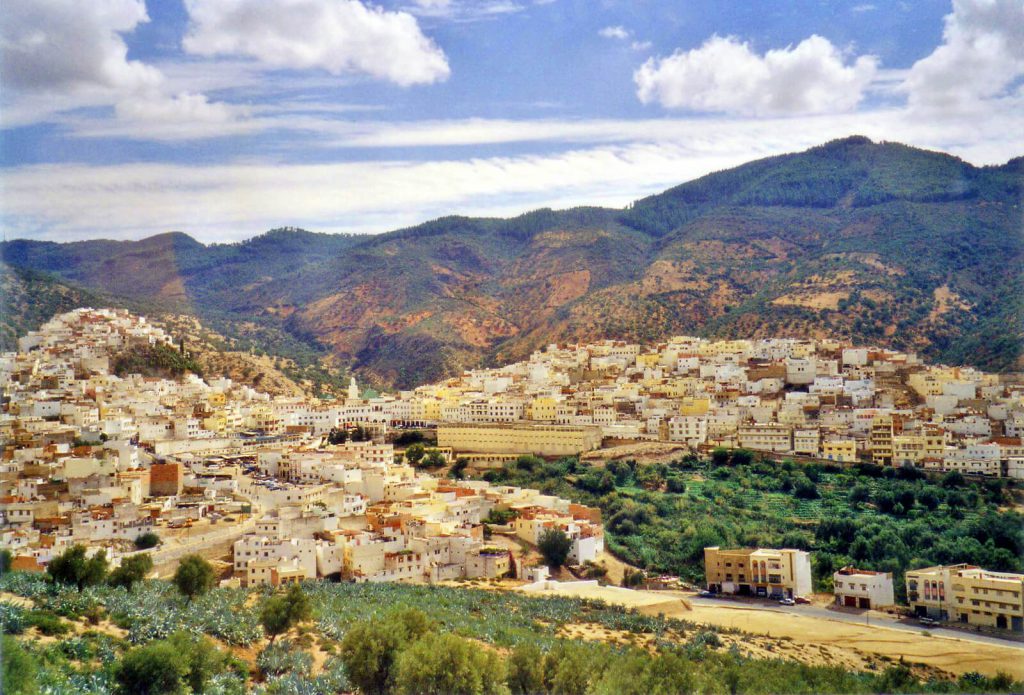
Located just 27 km from Meknes, Moulay Idriss is one of Morocco’s most sacred cities and an easy, rewarding day trip. Founded in 788 A.D., the town is named after Moulay Idriss I, a descendant of the Prophet Mohammed who is credited with bringing Islam to the region. Perched dramatically across two hills near Mount Zerhoun, the city holds deep spiritual and historical significance.
As an important pilgrimage site, Moulay Idriss is home to the tomb of Moulay Idriss and the Idriss Medersa, both of which are reserved for Muslim visitors. However, non-Muslims can still admire the beauty of these sites from the outside and explore the town’s charming streets, whitewashed houses, and scenic viewpoints.
Once closed to foreigners for many years, the city has gradually opened up, allowing visitors to experience its unique atmosphere and cultural importance. For those looking to explore beyond the town, a short hike around the foothills of Mount Zerhoun leads to the historic Roman hot springs, where you can relax in naturally warm waters and enjoy the peaceful surroundings.
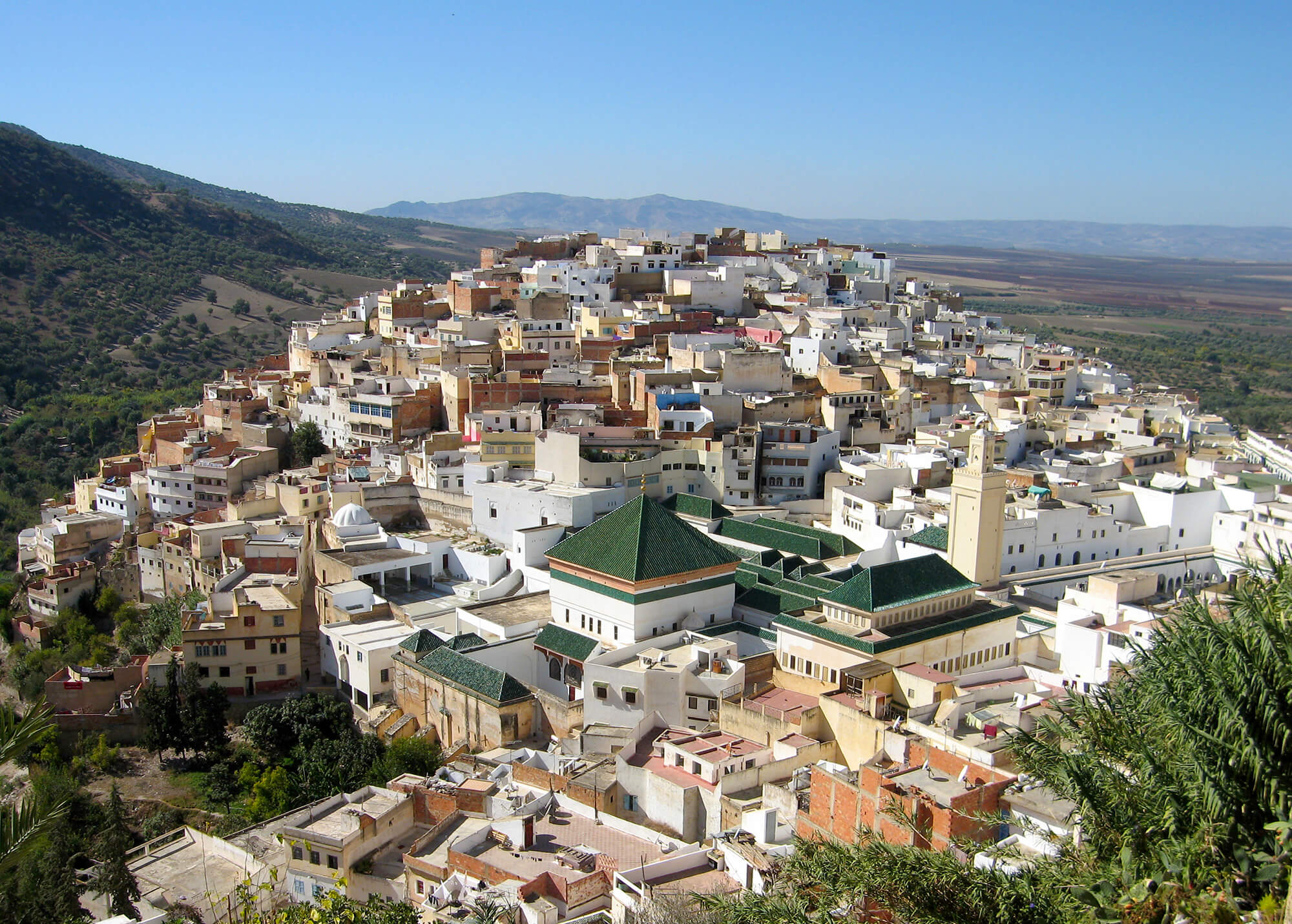
Meknes is one of Morocco’s most captivating imperial cities, where history unfolds at every turn without the crowds of its more famous counterparts. Its grand gates, hidden passages, and monumental architecture offer a deeper, more intimate journey into the country’s past.
For travelers seeking authenticity, culture, and rich heritage, Meknes delivers an experience that is both immersive and unforgettable—an essential stop on any Moroccan adventure.
🧭 FAQs
Q: What is Meknes known for?
Meknes is known for its grand gates, imperial architecture, historical sites, and its role as one of Morocco’s four imperial cities.
Q: Is Meknes worth visiting?
Yes, Meknes offers a rich historical experience with fewer crowds, making it ideal for travelers seeking a more authentic and relaxed atmosphere.
Q: What are the top things to do in Meknes?
Top attractions include Bab el Mansour, Heri Es Souani, the Mausoleum of Moulay Ismail, Qara Prison, Dar Jamai Museum, and Place el Hedim.
Q: How many days should you spend in Meknes?
One to two days is enough to explore the main historical sites and nearby attractions like Volubilis and Moulay Idriss.
Q: Is Meknes a UNESCO World Heritage Site?
Yes, Meknes was designated a UNESCO World Heritage Site for its well-preserved imperial architecture and historical significance.
Q: Can you visit Volubilis from Meknes?
Yes, Volubilis is located about 30 km from Meknes and is one of the best-preserved Roman sites in Morocco.
Q: Who was Moulay Ismail?
Moulay Ismail was a powerful Sultan of Morocco who made Meknes the capital in the 17th century and built many of its iconic structures.
Q: What is Bab el Mansour?
Bab el Mansour is a monumental gate in Meknes, considered one of the most beautiful in North Africa, known for its intricate zellige tilework and grand design.
Q: What is Qara Prison?
Qara Prison is an underground prison complex in Meknes with a maze-like structure, built during the reign of Moulay Ismail.
Q: Is Meknes close to other cities?
Yes, Meknes is located near Fez and is close to historical sites like Volubilis and Moulay Idriss, making it a great base for exploration.
—
Editor’s Note: This post was originally published in 2021 and updated in April 2026 for accuracy and freshness.
OTHER POSTS