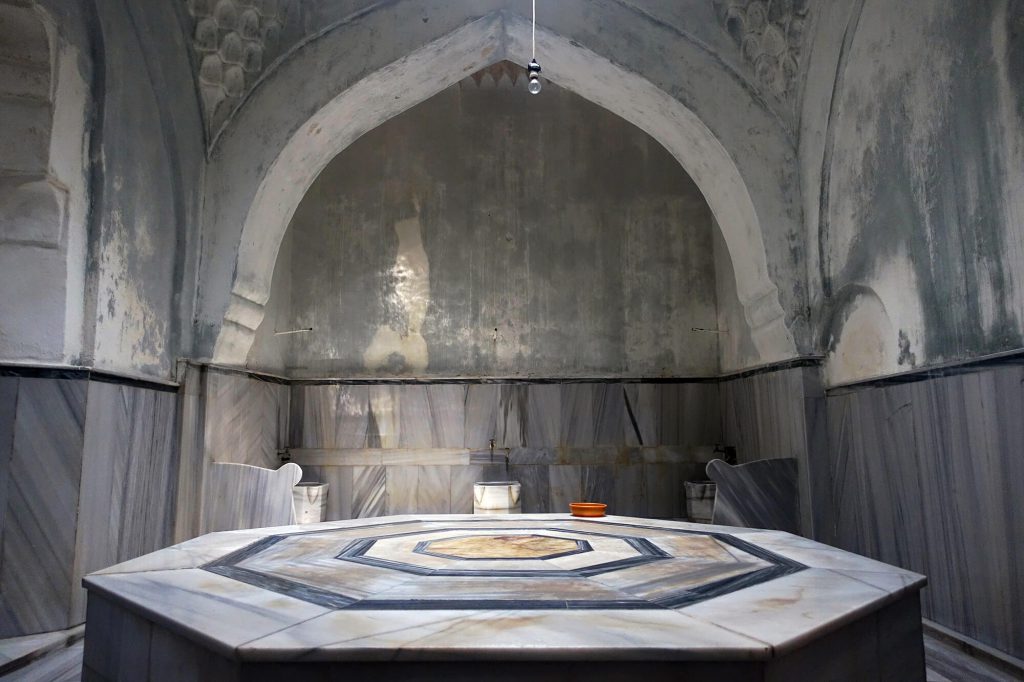
Restore your mind and body with a trip to a traditional Moroccan hammam. This age-old healing ritual will leave you feeling rejuvenated and recharged after your travels. From public to private, the health benefits will astound you.
A hammam is a public bathhouse that has been part of the social fabric of Morocco for centuries. It is a place to relax and socialize while cleansing and purifying the mind, body, and spirit. Moroccan hammams are central to the culture of Morocco.
Traditionally, hammams were a key part of weekly routines—time to catch up with friends and family, conduct business, and simply unwind. Older hammams typically have separate entrances for women and men, and many are located near mosques, as Muslims follow religious laws of hygiene and purification.
Historically, a hammam was also where women gathered with family and friends before a wedding to celebrate the bride, or after the birth of a child. You may even be surprised by what other facts about Morocco culture you discover on your visit.
Traditional hammams exist in every city across Morocco. In Casablanca and Marrakech, you’ll also find authentic hammams with a modern flair, some of which allow couples to experience treatments together. After your Sahara Desert Tour, you’ll be glad you treated yourself to one of Morocco’s most authentic luxuries: a day spent at the hammam.
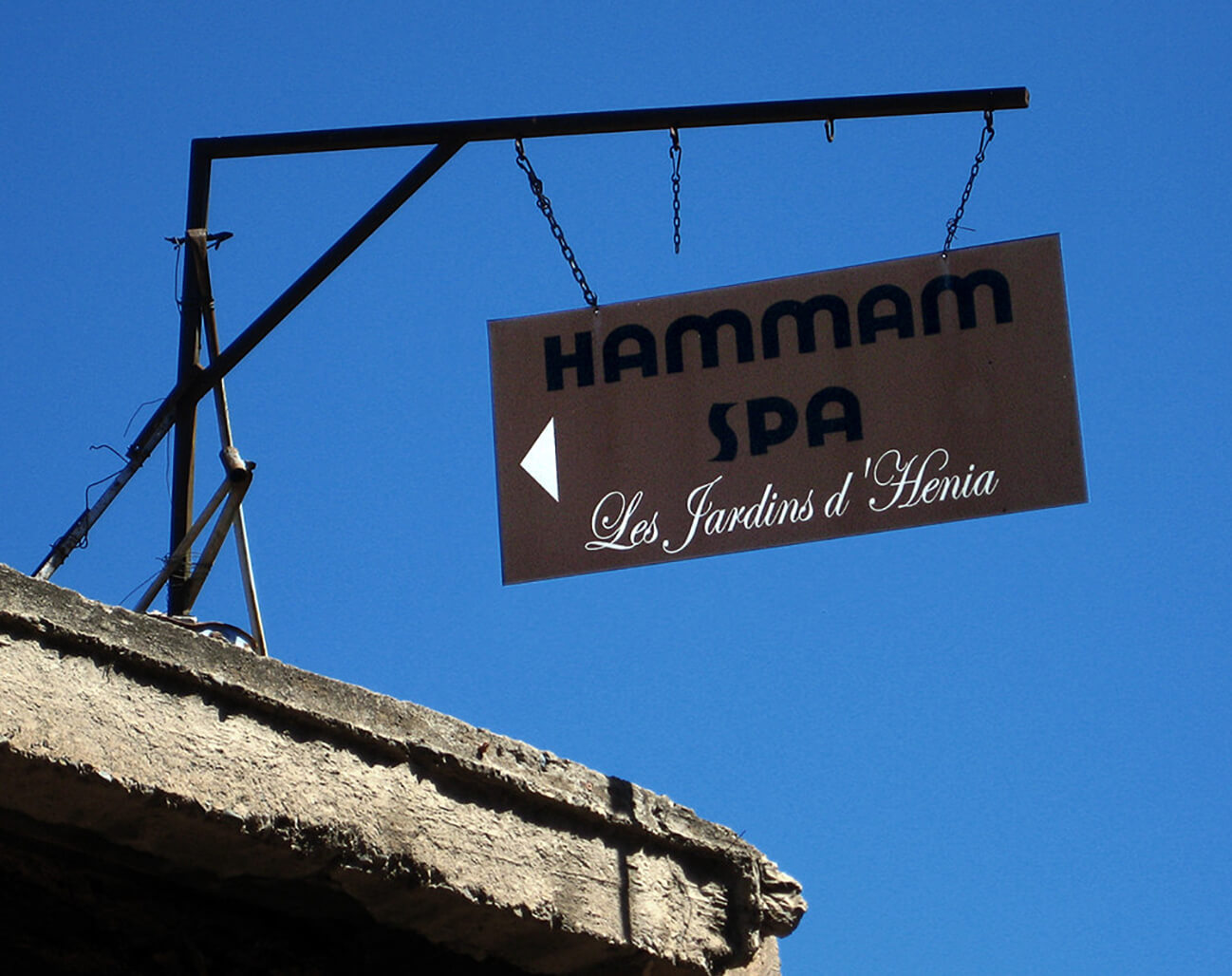
The Ritual of the Hammam
A hammam experience goes beyond sweating in a hot, steamy room. Plan to give yourself plenty of time—at least two to three hours—to let go and enjoy the full benefits.
There is a set ritual to receive everything a hammam offers. Traditional Moroccan hammams have three rooms: a dry-heat room, a warm room, and a cool room, each at a different temperature.
You begin in the dry, hot room to help your body adapt to the heat, open the pores, and relax the mind.
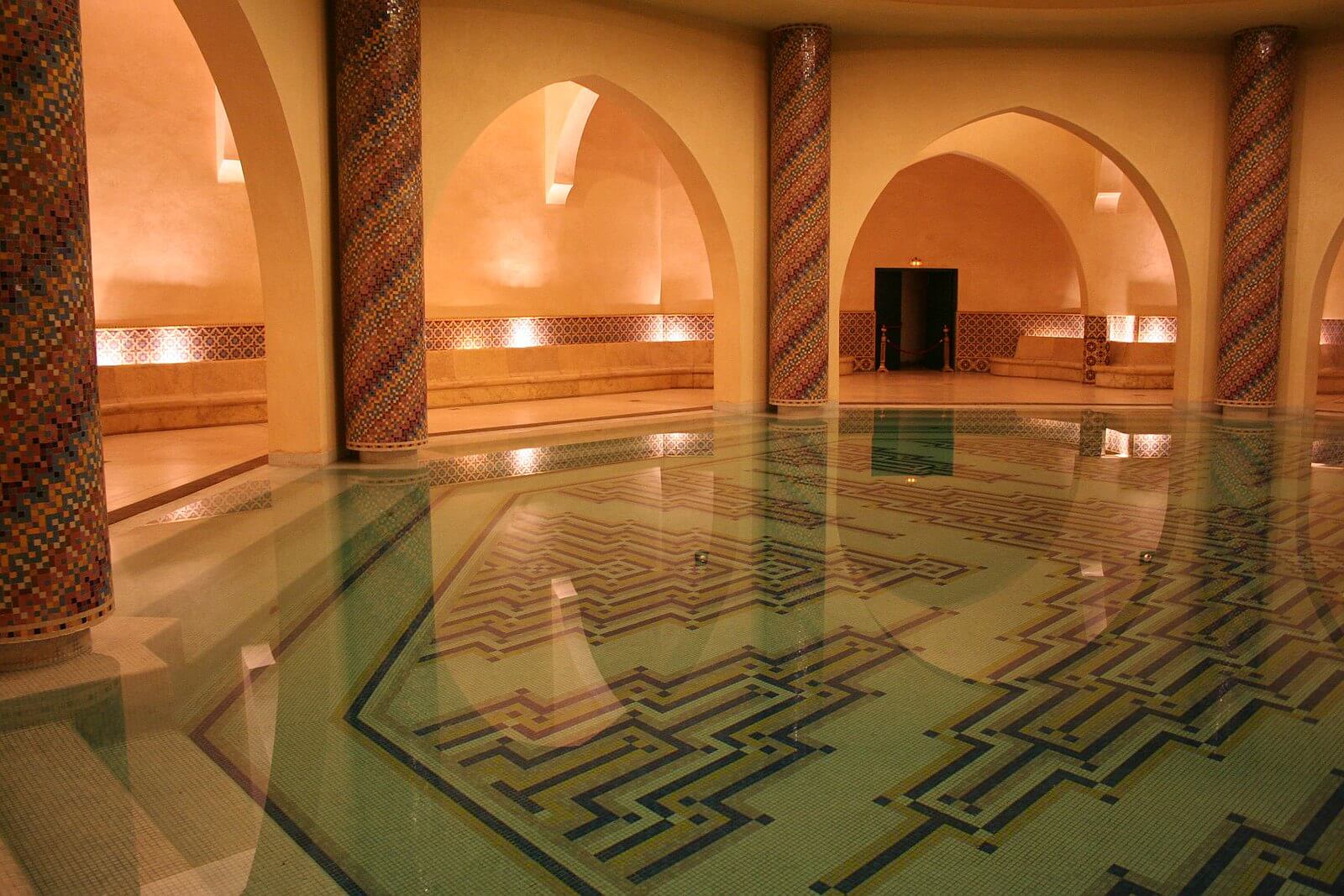
Next comes the steam room, where you can truly release stress as you sweat out impurities and toxins. Here, you scrub away dead skin with Moroccan black soap (savon beldi) using a kessa (exfoliating glove), or you can hire an attendant to do it for you. This is typically where the large marble slab is used for a full-body scrub. After thorough exfoliation, rinse with warm water a few times to remove the loosened skin. Some hammams also have a cool-water pool to reawaken the body.
When the scrubbing and rinsing are finished, move to the cool room to rehydrate—often with mint tea. It’s an ideal time to lounge, relax, and swap stories, perhaps about the camel tour you took in the Moroccan desert.
Skin and Beauty Treatments
Moroccan Black Soap (savon beldi)
This iconic black soap, savon beldi, is essential to the Moroccan hammam. It has antibacterial properties and suits all skin types. Traditionally, it’s made with organic ingredients—virgin black olive oil and black olive paste.
Its purpose is to deep-clean and purify the skin, lifting dirt and removing dead cells. After a thorough scrub, skin feels soft and silky. Don’t be afraid to apply firm pressure; if an attendant handles the exfoliation, expect an intense scrub.
Savon beldi can be used on the whole body, including the face, and is an excellent moisturizer rich in vitamin E. It functions as a full body therapy: renewing skin cells, strengthening tissues, and helping with conditions such as acne, eczema, and psoriasis.
Ghassoul
Ghassoul is a clay from Morocco’s Atlas Mountains known for its many skin benefits. It detoxifies by deeply cleansing and purifying the pores. Rich in potassium and magnesium, its fine texture gently exfoliates dead skin cells and leaves skin feeling soft and clean.
You can apply ghassoul as a face mask or a full body wrap. Thanks to its natural astringent properties, it can help with acne, psoriasis, and eczema. Its minerals also benefit hair health—use it as a shampoo to condition or detangle, leaving hair soft, silky, and shiny.
Argan Oil
A centuries-old beauty treatment, argan oil has long been used by the Amazigh/Berber, Morocco’s indigenous people to nourish skin and hair. The argan tree is native to Morocco; its amber-colored oil is extracted from the nuts and celebrated as “liquid gold” for its restorative benefits.
Argan oil is an anti-inflammatory, antioxidant rich in vitamins A and E and omega fatty acids, which help strengthen skin tissue. Many hammams offer argan-oil massages for an additional fee—ideal for relaxing sore muscles while deeply moisturizing the skin from head to toe.
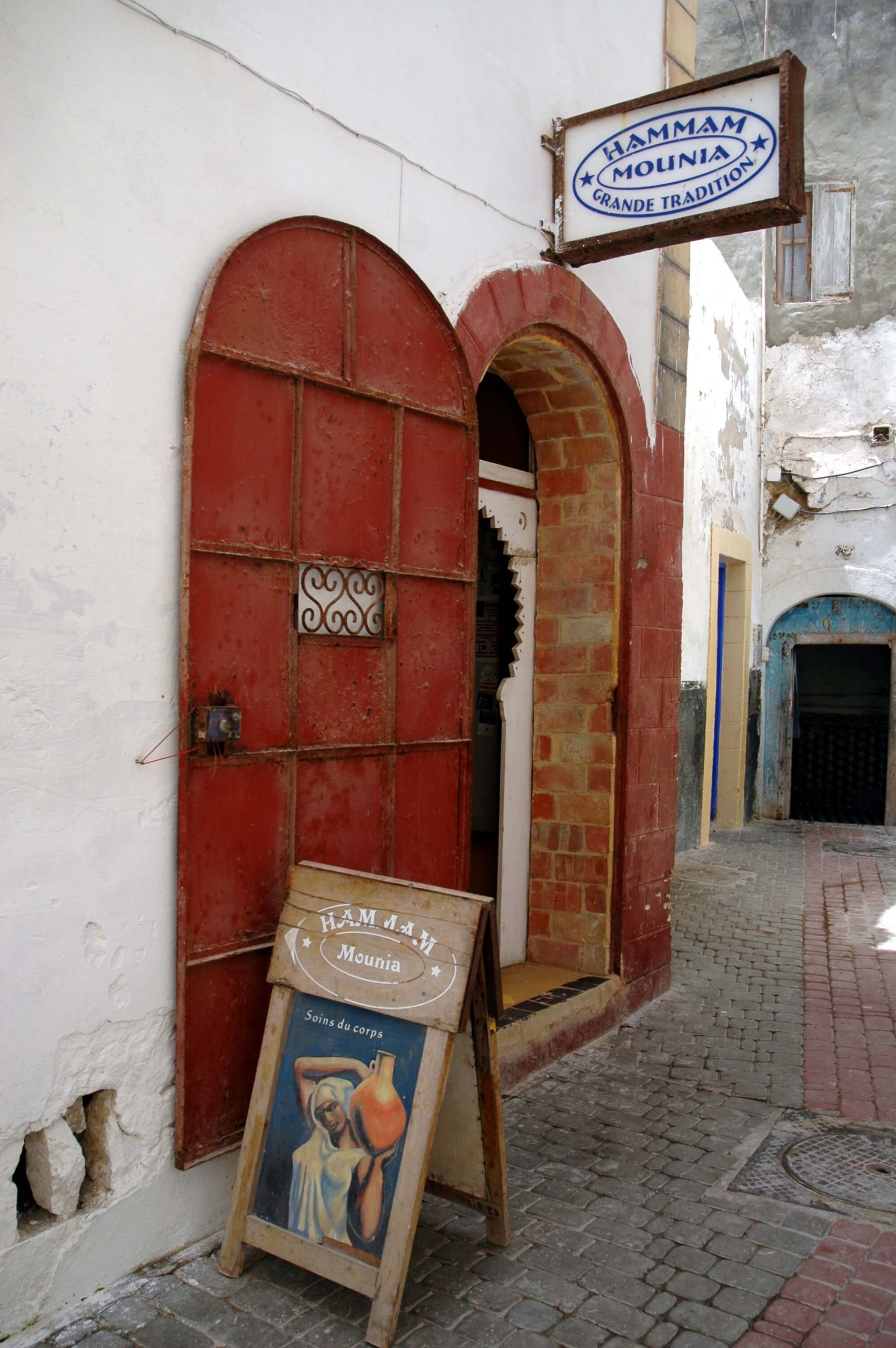
Public Hammams
Most public hammams ask you to bring a small mat for sitting and a bucket for rinsing. Some facilities provide them, but it’s best to arrive prepared or confirm in advance.
Visitors usually scrub themselves—or have a friend or family member help—though attendants are often available for hire if you prefer a professional scrub or a brief massage.
Plan to bring your own essentials: black soap or preferred cleanser, kessa (exfoliating glove), towel or robe, flip-flops, swimsuit or a spare pair of underwear, and any toiletries you like.
Private Hammams
Many upscale hotels offer hammam services with added treatments such as hot stone therapy, foot scrubs, or acupuncture. In Marrakech, properties like the Four Seasons and Royal Mansour provide luxe, couples-friendly experiences that you can also include in a premium Morocco tour.
In a private hammam, an attendant handles every step—steam, exfoliation, rinsing, and oil massage—so you simply lie back, get thoroughly scrubbed and rinsed, and leave fully pampered.
What to bring
Towel or lightweight robe, flip-flops, swimsuit or spare underwear, kessa glove, black soap, small shampoo/conditioner, hair tie, clean change of underwear, and a water bottle. Many spas provide all items; public hammams often don’t.
Etiquette and comfort
Hammams are modest spaces. Women and men usually bathe separately; toplessness is common in women’s sessions but not required—wearing a bikini top or sports bra is fine.
Avoid overt displays of affection, keep voices low, and photograph nothing inside. If you prefer not to self-scrub, politely request an attendant at reception; tips are appreciated for good service.
Typical prices
Public hammam entry: ~30–120 MAD; scrub or massage add-ons ~50–200 MAD.
Private/spa hammam packages: ~300–900 MAD+ depending on venue, duration, and extras.
Prices are for guidance only and vary by city or season; confirm on arrival.
Health Benefits
Spending time in a hammam is a mind–body–spirit rejuvenator. It offers a deep chance to unwind and delivers multiple benefits: gentle detoxification, refreshed and hydrated skin, immune support, muscle relaxation, pain relief, improved circulation, and reduced stress and anxiety. You’ll leave feeling renewed, re-energized, and grounded.
Visiting a hammam is a holistic reset that helps you feel restored and ready to keep exploring Morocco’s cultural treasures.
🧭 FAQs
Q1: What exactly happens during a traditional hammam?
You rotate through three rooms—dry heat, steam, then cool—while exfoliating with savon beldi (black soap) and a kessa glove, followed by rinses and optional oil massage.
Q2: How long should I plan for a hammam visit?
Allow 2–3 hours for the full ritual, plus extra time if you book massages or beauty add-ons.
Q3: What should I bring?
Towel or light robe, flip-flops, swimsuit or spare underwear, kessa glove, black soap, toiletries, hair tie, and a water bottle. Private spas often provide these; public hammams usually don’t.
Q4: What do I wear inside?
Hammams are modest. Men and women bathe separately. Women commonly wear bikini bottoms (top optional in women’s sessions), or sports bra + bottoms; men wear swim briefs/shorts. Follow venue norms.
Q5: Can couples go together?
Some modern/spa hammams in cities like Marrakech and Casablanca offer couples’ rooms. Traditional public hammams are gender-separated.
Q6: Should I do the scrub myself or hire an attendant?
Either works. DIY is cheaper; an attendant scrub is very thorough (and vigorous). Tip for good service.
Q7: How much does it cost?
Guidance only: public entry ~30–120 MAD; scrub/massage add-ons ~50–200 MAD. Private/spa packages ~300–900+ MAD depending on venue and duration.
Q8: Is it hygienic and safe?
Reputable hammams clean surfaces and tools frequently. Bring your own glove/soap if you prefer. Avoid open cuts, and don’t visit if you have a contagious skin condition or fever.
Q9: Who should avoid or modify the experience?
People with uncontrolled heart conditions, severe hypertension, or pregnancy in late term should avoid high heat and seek medical advice. Opt for cooler rooms and shorter sessions if sensitive to heat.
Q10: Any etiquette I should know?
Keep voices low, no photos inside, avoid public displays of affection, and respect attendants. Rinse benches after use. Small tips are appreciated for scrubs/massages.
Q11: Do I need a reservation?
Public hammams are typically walk-in. Private/spa hammams often require advance booking, especially evenings and weekends.
Q12: What products are typically used?
Savon beldi (black soap) for softening, kessa glove for exfoliation, ghassoul clay for purifying masks, and argan oil for post-steam hydration.
OTHER POSTS