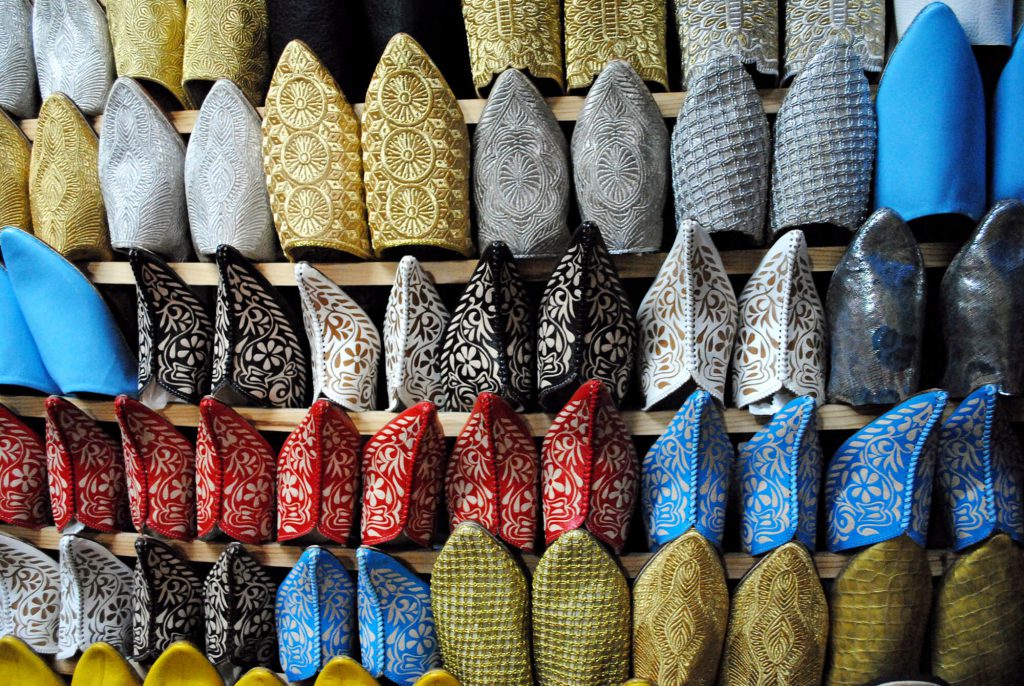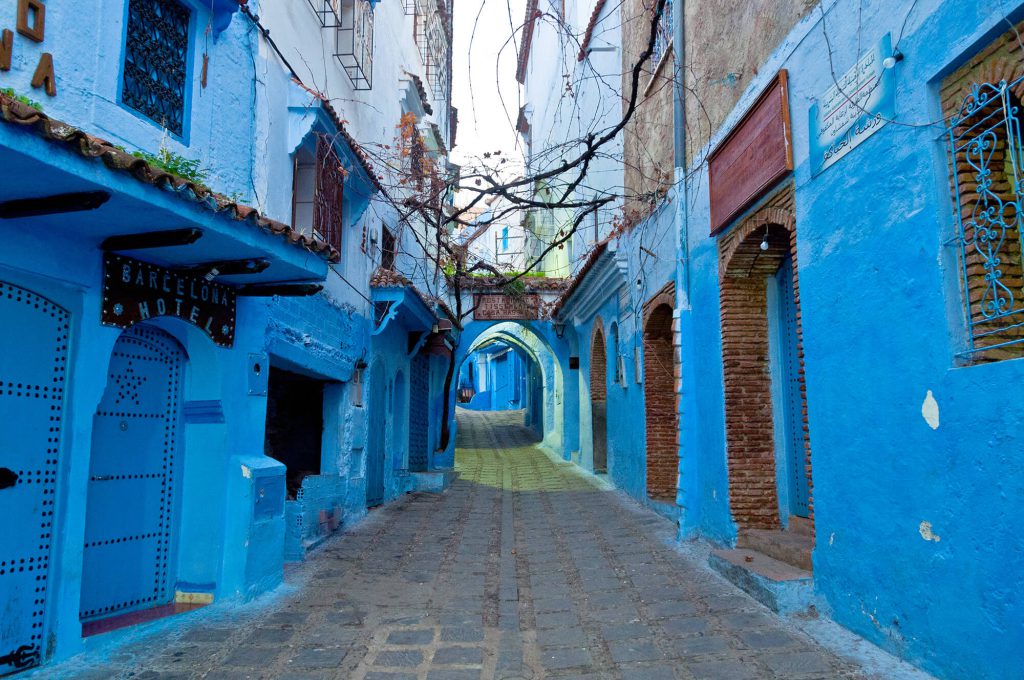
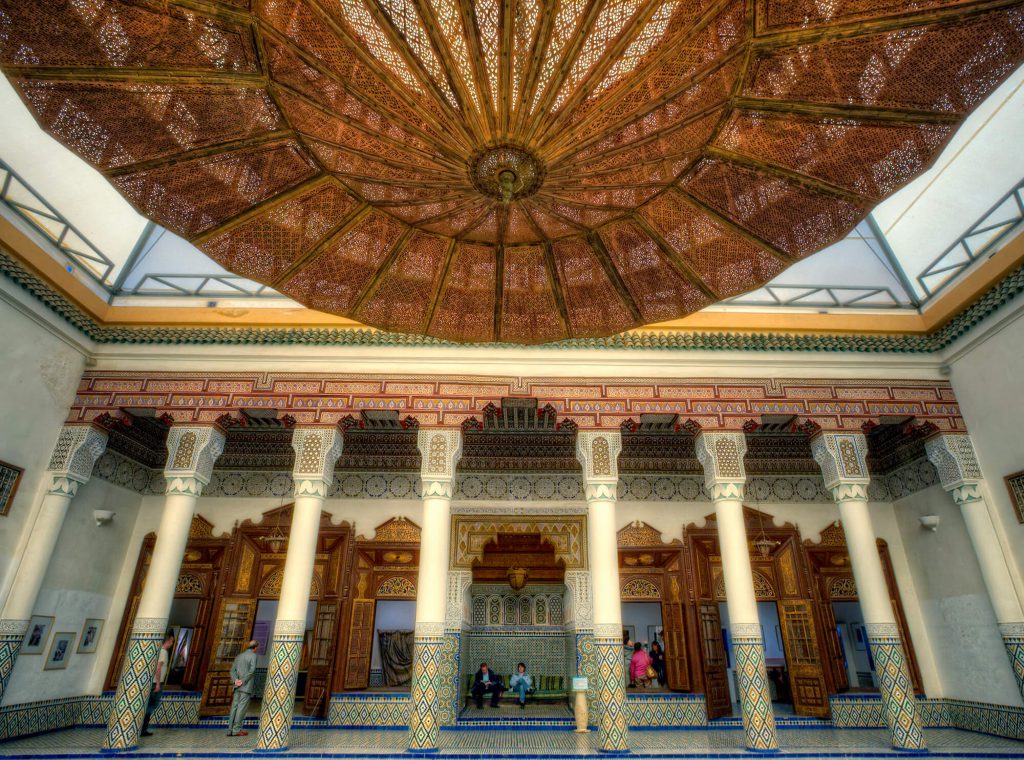
One of Morocco’s most popular destinations, Marrakech has both ancient and modern attractions to explore. Roam the colorful souks, visit countless museums, or just people-watch in the town’s famous square.
Marrakech is a city where ancient traditions and modern life exist side by side, creating an atmosphere that feels both timeless and vibrant. Known as Morocco’s “Red City” for its historic sandstone walls, the city is rich with mosques, palaces, bustling souks, striking architecture, and beautifully designed gardens. Wandering through the medina feels like stepping back in time, while contemporary art spaces, museums, and cafés reflect a city that continues to evolve.
The rhythm of Marrakech is impossible to ignore. The energy of the souks pulses through narrow streets, where scents, colors, and sounds blend into an experience that engages every sense. At the same time, moments of calm can be found in hidden courtyards and quiet corners, offering space to pause and absorb the culture of Morocco. Whether you are drawn to its history, creativity, or everyday life, Marrakech invites you to experience the past and present unfolding together.
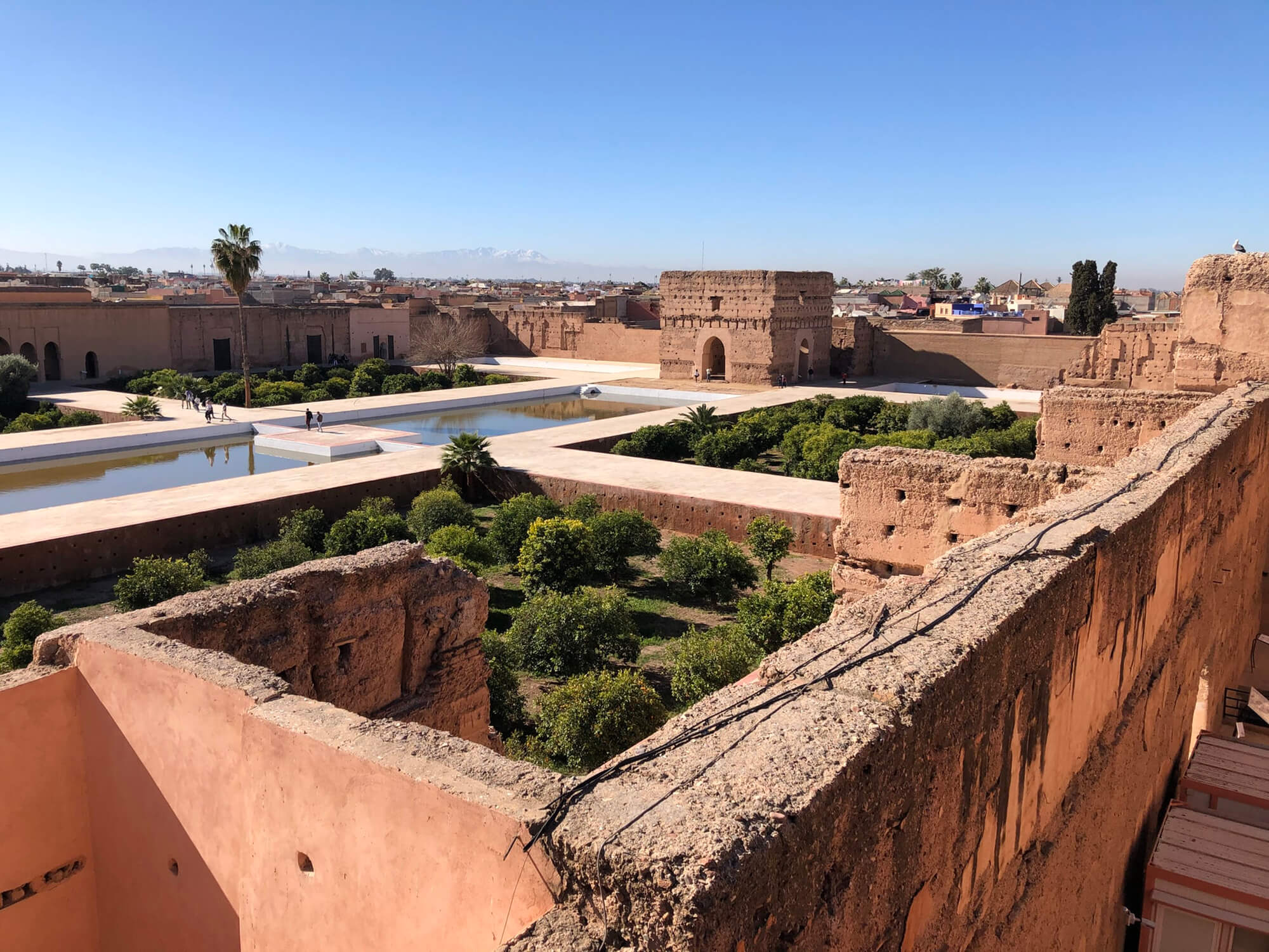
El Badi Palace Ruins
Once celebrated as the “Palace of the Incomparable”, El Badi was a grand royal complex that took nearly twenty-five years to complete. Built in the late 16th century, it was originally adorned with extraordinary materials including gold, marble, turquoise, and crystal, reflecting the wealth and ambition of the Saadian dynasty. Today, only the vast red sandstone walls and expansive courtyard remain, yet the scale of the ruins still hints at its former splendor.
The palace’s architecture blends Moroccan, Moorish, and Saadian influences, creating a structure that feels monumental even in its stripped-down state. In the 17th century, Sultan Moulay Ismail removed much of El Badi’s precious interior decoration to embellish his own palace in Meknes, leaving behind the bare framework seen today. Walking through the ruins, it’s easy to imagine the palace as it once was, filled with color, movement, and ceremony. Though time has taken its toll, El Badi retains a powerful presence, allowing visitors to connect with Marrakech’s imperial past through space, silence, and imagination.
https://www.palais-el-badi.com/en/home/
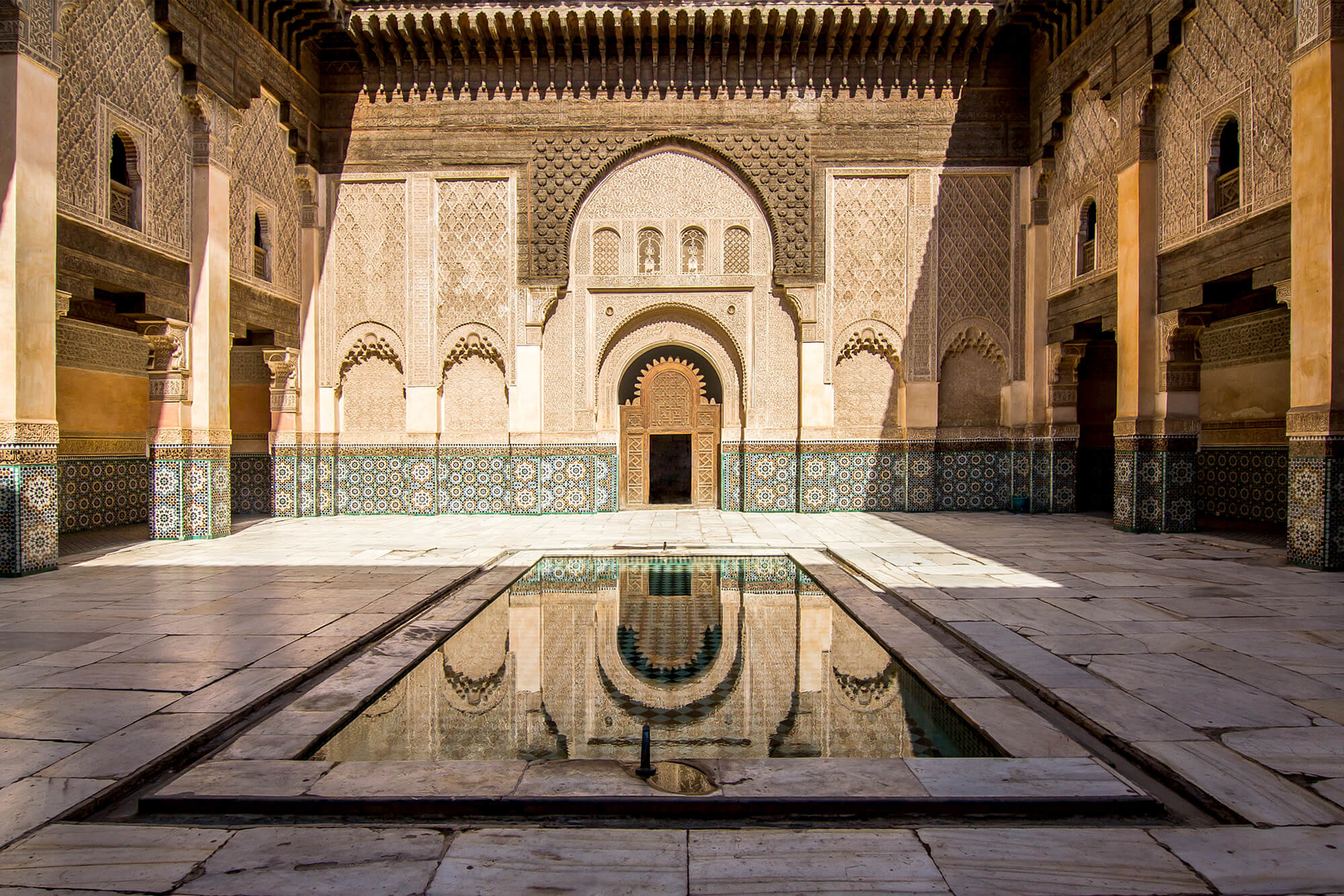
Medersa Ben Youssef
Hidden within the medina, Medersa Ben Youssef is one of Marrakech’s most remarkable historic sites and a powerful reminder of the city’s scholarly past. Founded in the 14th century and named after Sultan Ali Ben Youssef, it was once the largest Islamic college in North Africa. Students from across the Muslim world came here to study the Quran and religious sciences, living and learning within its walls for years at a time.
The architecture invites quiet contemplation. Small, windowless dormitory rooms were intentionally designed to encourage focus and inward reflection, while the central courtyard tells a very different story. Decorated with intricate zellige tilework, carved cedarwood, marble, and finely detailed stucco etched with Arabic inscriptions, the space radiates old-world elegance. Standing here, surrounded by centuries of craftsmanship, offers a rare glimpse into the intellectual and spiritual life that once shaped Marrakech.
https://www.medersa-ben-youssef.com/en/home/
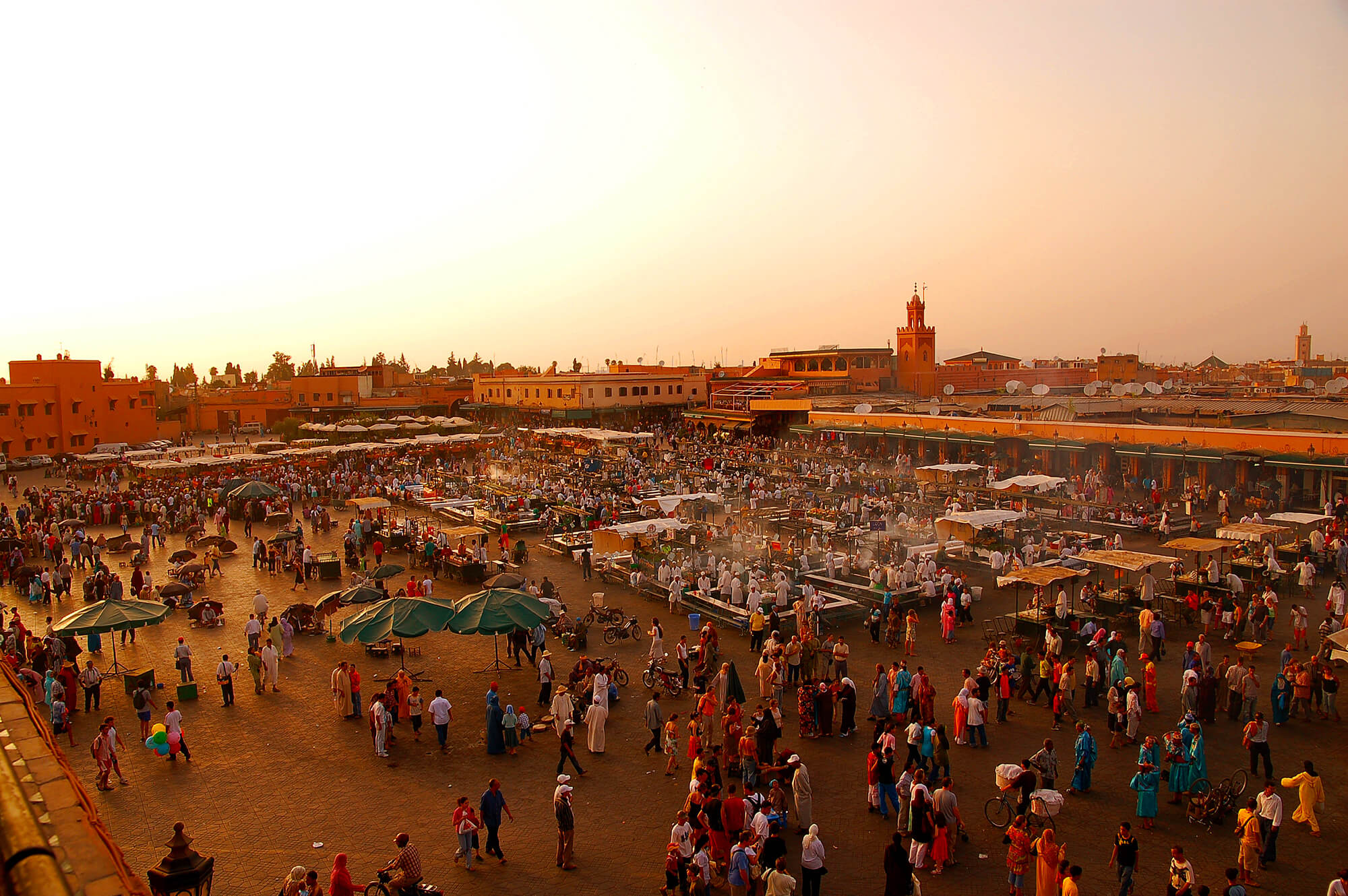
Djemaa el Fna
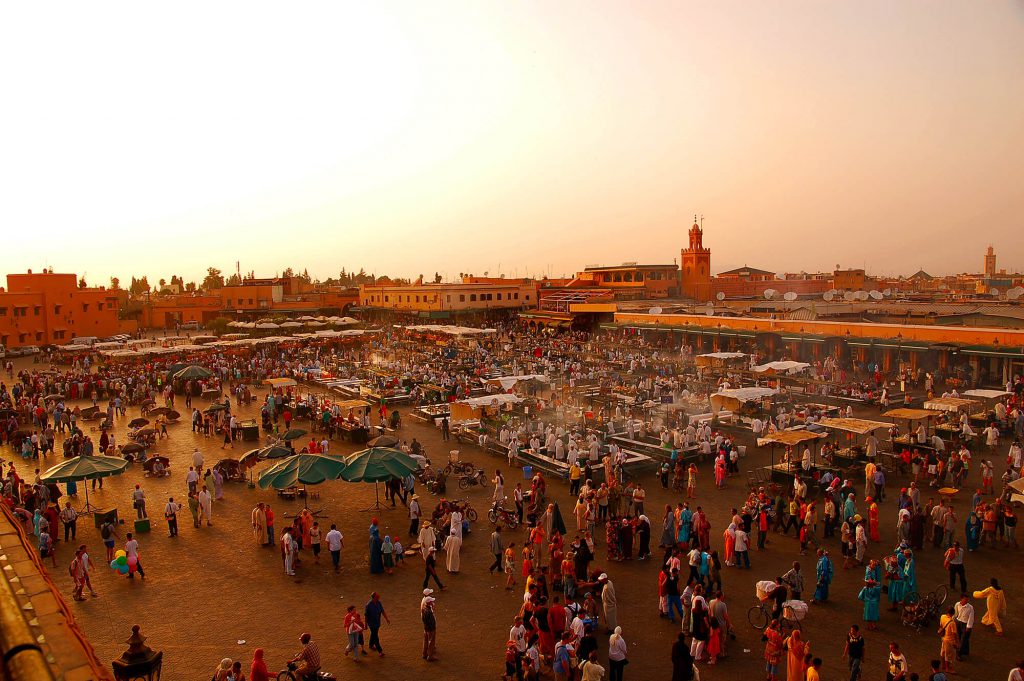
At the heart of Marrakech, Djemaa el Fna is a place where the city’s energy comes fully alive. From morning through late evening, the square constantly shifts, filling with movement, sound, and color as locals and visitors gather to experience its ever-changing rhythm. Performers of all kinds take center stage, from acrobats and musicians to storytellers, magicians, and snake charmers, creating an atmosphere that feels both theatrical and deeply rooted in tradition.
As the day unfolds, food stalls begin to appear, filling the air with the aromas of grilled meats, spices, and freshly prepared dishes. Vendors sell handcrafted trinkets and local treats, adding to the sensory richness of the space. Whether you wander through the square or pause to observe from a café terrace above, Djemaa el Fna offers an unforgettable glimpse into everyday life in Marrakech, making it a place where culture is not simply observed, but lived.
Gueliz
Gueliz reveals a very different side of Marrakech, one shaped by modern design, international influence, and a distinctly urban rhythm. Developed during the French Protectorate era, this neighborhood is often referred to as the city’s French Quarter. Wide, tree-lined avenues replace narrow medina streets, and the atmosphere feels more open and cosmopolitan, reflecting how Marrakech continues to evolve.
Today, Gueliz is where modern life thrives. Trendy cafés, stylish bars, contemporary art galleries, and fashion-forward shops line the streets, offering a contrast to the traditional souks of the old city. Many international residents choose to live here, giving the area a diverse and European-influenced character. Spending time in Gueliz highlights the balance that defines Marrakech, showing how seamlessly old traditions and modern lifestyles coexist within the same city.
The Mohammed VI Museum/ The Civilization of Water in Morocco/ Aman Museum
At first glance, a museum dedicated to water may seem unexpected, yet the Aman Museum proves to be one of Marrakech’s most insightful cultural spaces. Dedicated to the history, science, and technology of water in Morocco, it reveals how deeply this essential resource has shaped daily life, architecture, and tradition across the country. The experience brings together education and storytelling in a way that feels both accessible and thought-provoking.
Spread across three floors, the permanent collection explores a wide range of themes, from ancient irrigation systems to modern water management. Interactive displays, multimedia exhibits, and thoughtfully curated artifacts help illustrate Morocco’s long-standing relationship with water and its role in sustaining communities and landscapes. Temporary exhibitions, research spaces, and educational programs further enrich the visit, making it appealing to visitors of all ages. Located near the Palmeraie on the Route de Casablanca, the museum offers a quieter, reflective counterpoint to the bustle of the medina.
Masion Tiskiwin
Maison Tiskiwin offers a deeply personal journey through the cultures of southern Morocco and beyond. This intimate museum is housed in a traditional riad and was created from the lifelong collection of Dutch anthropologist Bert Flint, who made Morocco his home in the late 1950s and lived on-site for many years. Walking through the space feels less like visiting a museum and more like being invited into a carefully preserved private world.
The exhibits follow ancient caravan routes that once connected Marrakech to Timbuktu, telling stories through objects rather than words. Jewelry, textiles, carpets, musical instruments, daggers, and ceremonial items reveal the diversity and richness of Amazigh and Saharan cultures. Each room represents a different region, allowing visitors to move gradually through geography, history, and tradition. Maison Tiskiwin provides rare insight into North Africa’s cultural exchanges and is an essential stop for anyone interested in understanding the deeper layers of Morocco’s heritage.
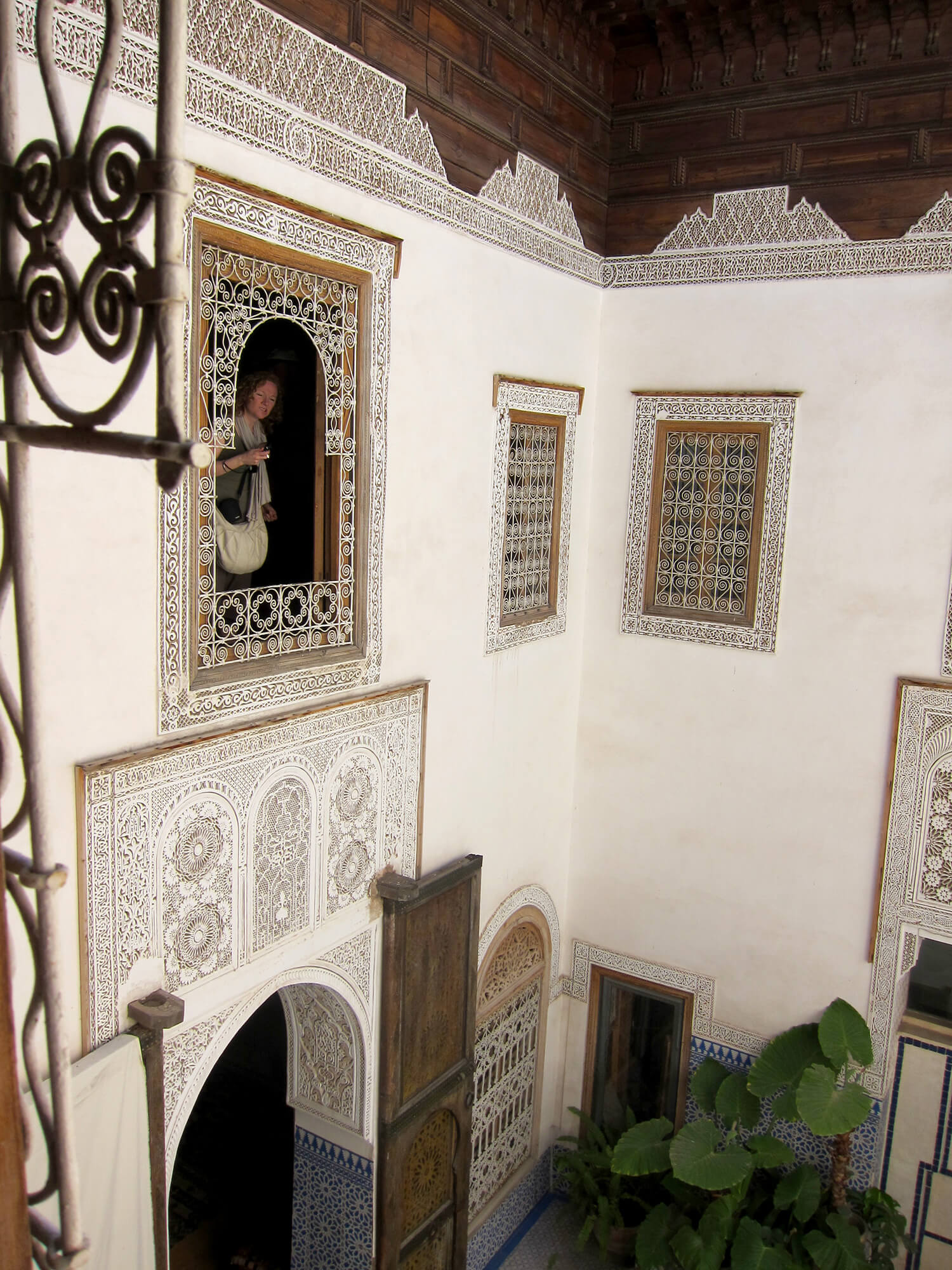
Dar Si Said Museum of Moroccan Arts
Even before stepping inside, Dar Si Said impresses as a work of art in its own right. Once the residence of Si Said, brother of the powerful grand vizier Bou Ahmed, the palace reflects the elegance of Moroccan craftsmanship at its finest. Intricate tile mosaics, carved cedarwood doors and ceilings, and delicately worked stucco set the stage for a visit that feels both visually rich and historically grounded. Colored stained-glass windows filter light into the interior spaces, while an ancient Andalusian fountain basin anchors the courtyard with quiet grace.
The museum’s collection offers a broad view of Morocco’s artistic heritage. Traditional jewelry, finely woven carpets, pottery, ceramics, antique weapons, and woodwork are displayed alongside other cultural and archaeological artifacts. Moving through the rooms provides insight into regional styles and techniques, revealing how artistry and everyday life have long been intertwined. An afternoon here deepens the understanding of Morocco’s cultural identity, making Dar Si Said an essential stop for anyone curious about the country’s creative traditions.
https://www.introducingmarrakech.com/dar-si-said
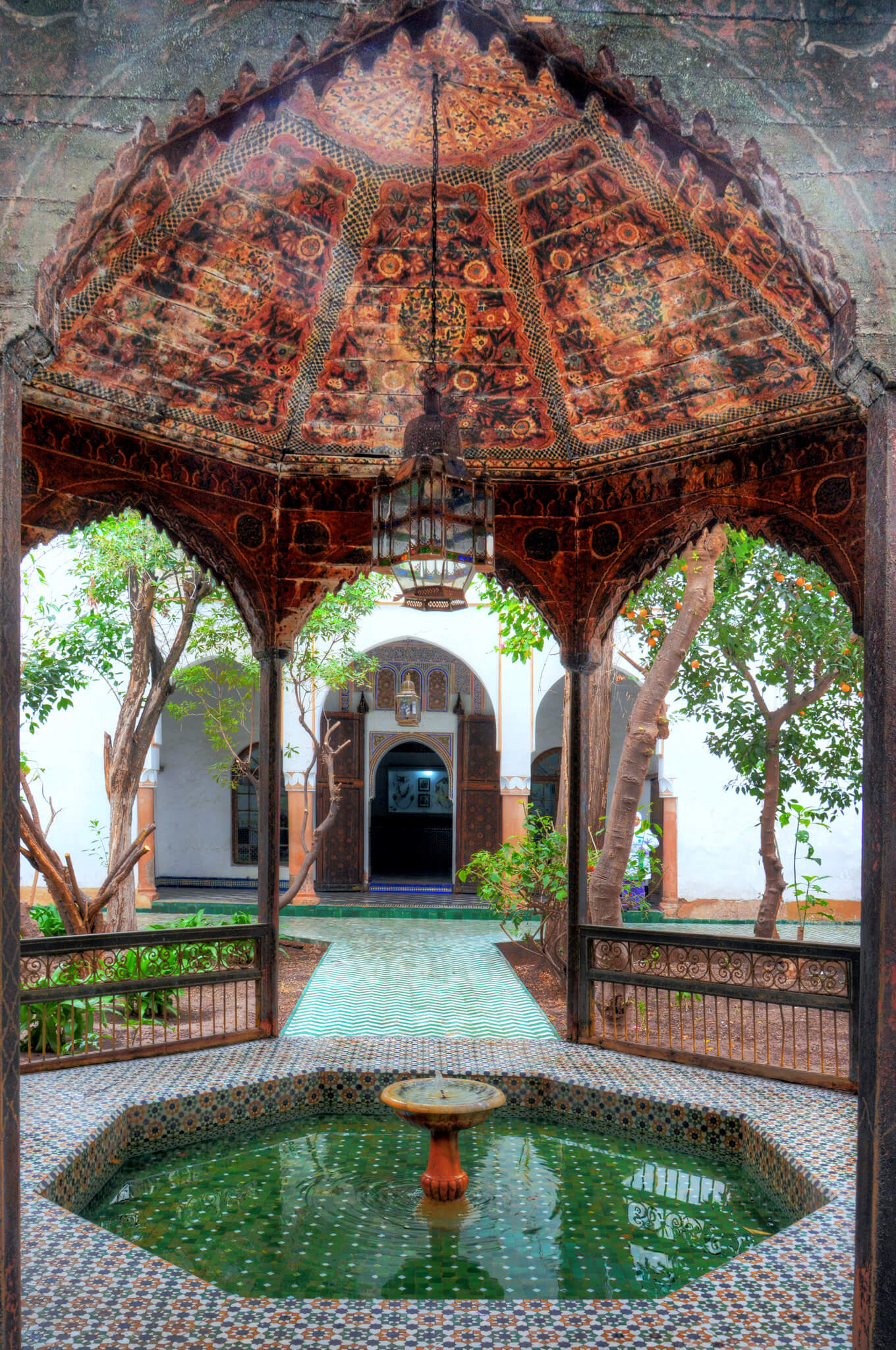
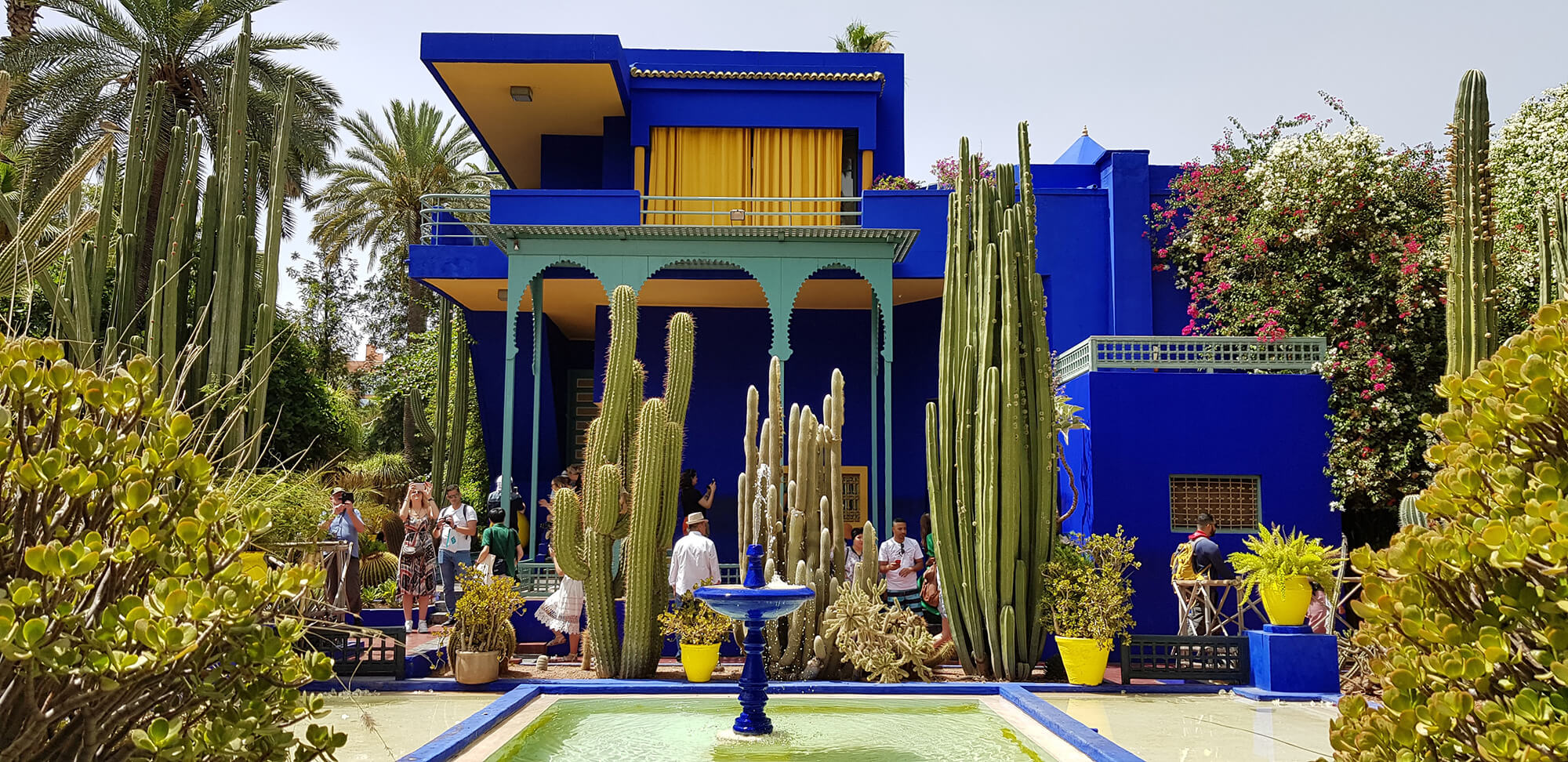
Jardin Majorelle
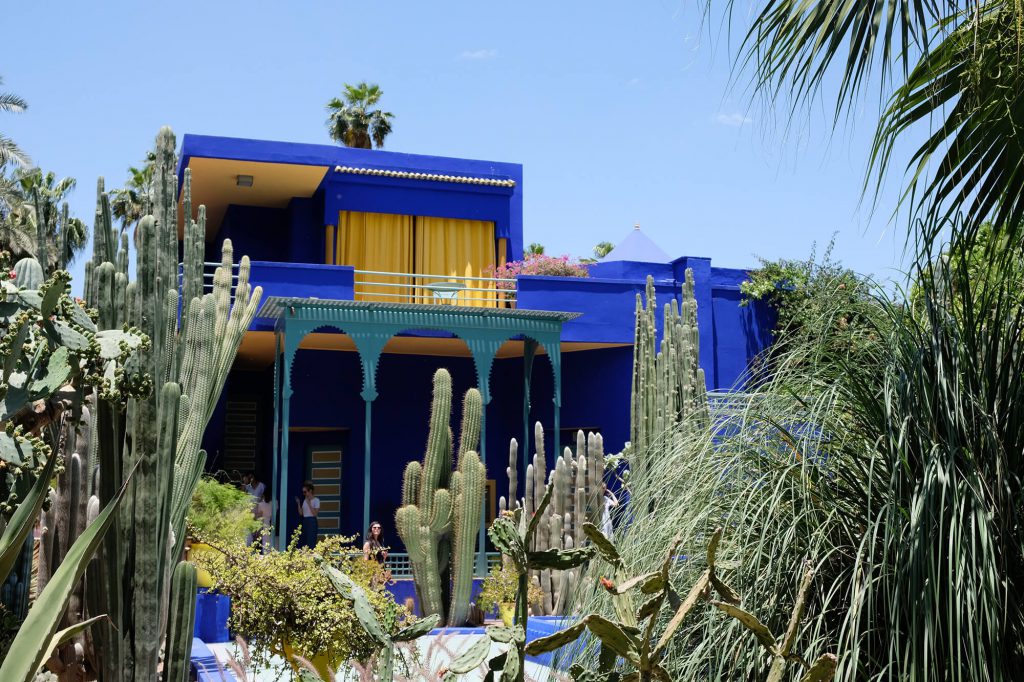
Stepping into Jardin Majorelle feels like entering a vibrant sanctuary tucked away from the city’s constant motion. Lush pathways wind through towering cacti, exotic plants, and fragrant flowering trees, creating an atmosphere that is both peaceful and visually striking. Despite being located near the heart of Marrakech, the garden offers a complete sensory shift, inviting visitors to slow down and reconnect with nature.
Created by French Orientalist painter Jacques Majorelle in the early 20th century, the garden later fell into neglect before being lovingly restored in the 1980s by designers Yves Saint Laurent and Pierre Bergé. At its center stands the iconic cubist villa designed by Paul Sinoir, painted in the bold and instantly recognizable Majorelle blue. Beyond its botanical beauty, the complex also houses the Berber Museum and the Islamic Art Museum of Marrakech, adding cultural depth to the experience. An afternoon here blends art, history, and tranquility in a way that feels both inspiring and restorative.
https://www.jardinmajorelle.com/en/
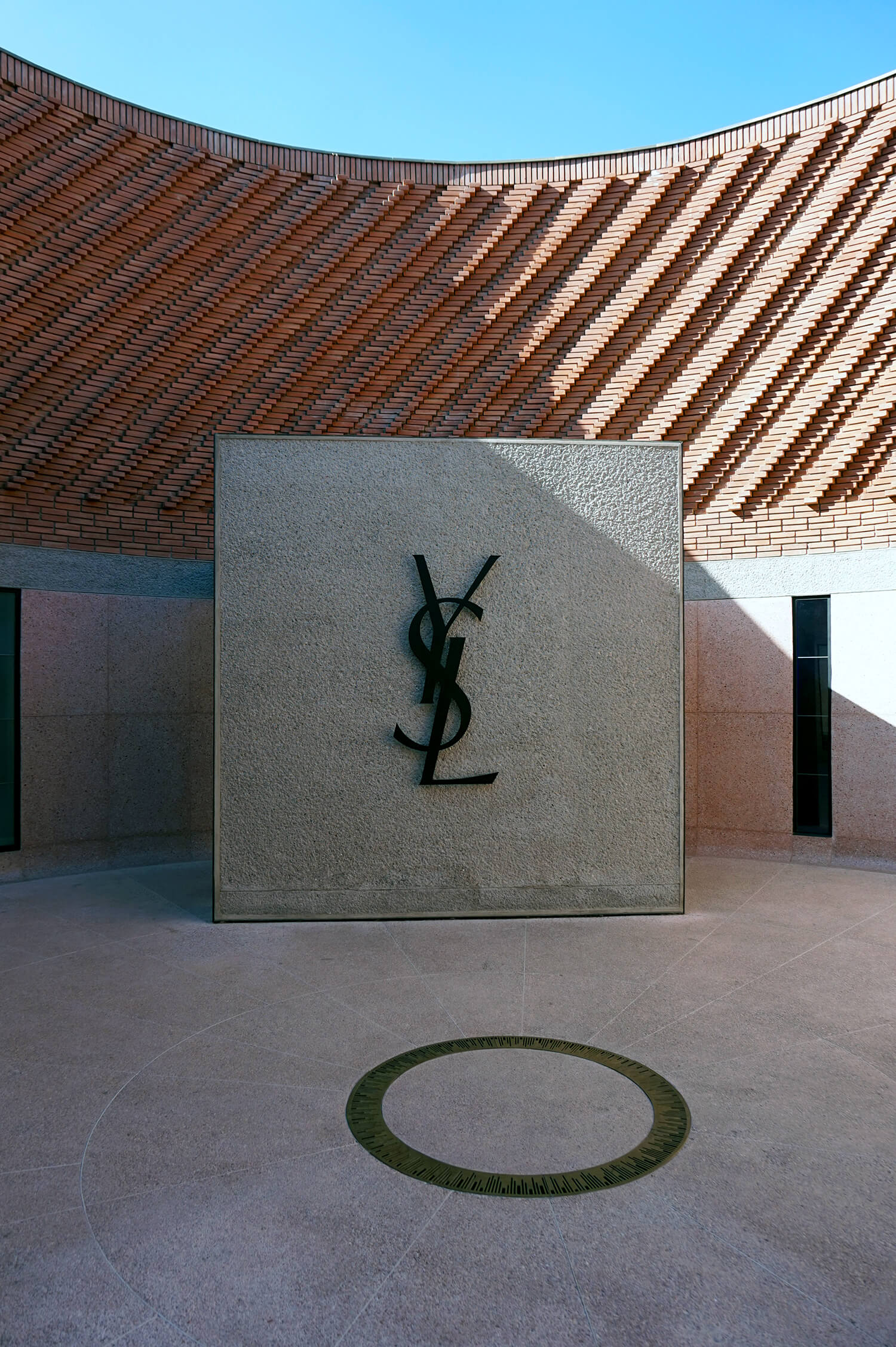
Yves Saint Laurent Museum
Marrakech held a special place in the life of Yves Saint Laurent, serving as both a refuge and an endless source of inspiration. Drawn to the city’s colors, textures, and energy, the legendary designer found creative freedom here, returning often throughout his career. The museum dedicated to his life and work reflects that deep connection, offering visitors insight into the creative world behind one of fashion’s most influential figures.
Inside, exhibits showcase sketches, drawings, photographs, and personal items that trace Saint Laurent’s journey from his early years to his most iconic collections. A selection of couture garments and accessories highlights his mastery of form, color, and innovation. The museum also houses an extensive research library, accessible by appointment, with works covering fashion, Amazigh culture, Arabic and Andalusian art, Islamic design, and botany. After exploring the galleries, the outdoor terrace and café provide a relaxed space to reflect, while the bookstore offers thoughtfully curated titles and keepsakes.
https://www.museeyslmarrakech.com/en/
Musee de la Palmerie
Tucked within the palm groves on the outskirts of Marrakech, the Musée de la Palmeraie offers a peaceful retreat that blends art, nature, and creativity. The setting alone feels restorative, with themed gardens providing shade and quiet away from the city’s constant movement. Walking through the grounds encourages a slower pace, allowing space to reconnect with both the environment and the artistic expressions it contains.
The museum’s permanent collection highlights the work of contemporary Moroccan artists, featuring paintings, sculptures, photography, installations, and calligraphy. Temporary exhibitions add variety and keep the space evolving, while the surrounding gardens showcase dramatic balloon cacti, fragrant roses, and reflective pools that enhance the experience. Workshops designed for children offer hands-on opportunities to explore creativity, making the museum welcoming for families as well as art lovers. A visit here feels like a gentle pause, refreshing both mind and senses before returning to the rhythm of Marrakech.
https://www.benchaabane.com/musee_palmeraie/index.php
—
Marrakech offers endless opportunities to experience history and modern life unfolding side by side. From ancient palaces and centuries-old schools to contemporary museums and creative neighborhoods, the city constantly reveals new layers of its identity. Each district and landmark tells part of a larger story, one shaped by tradition, innovation, and a deep connection to culture.
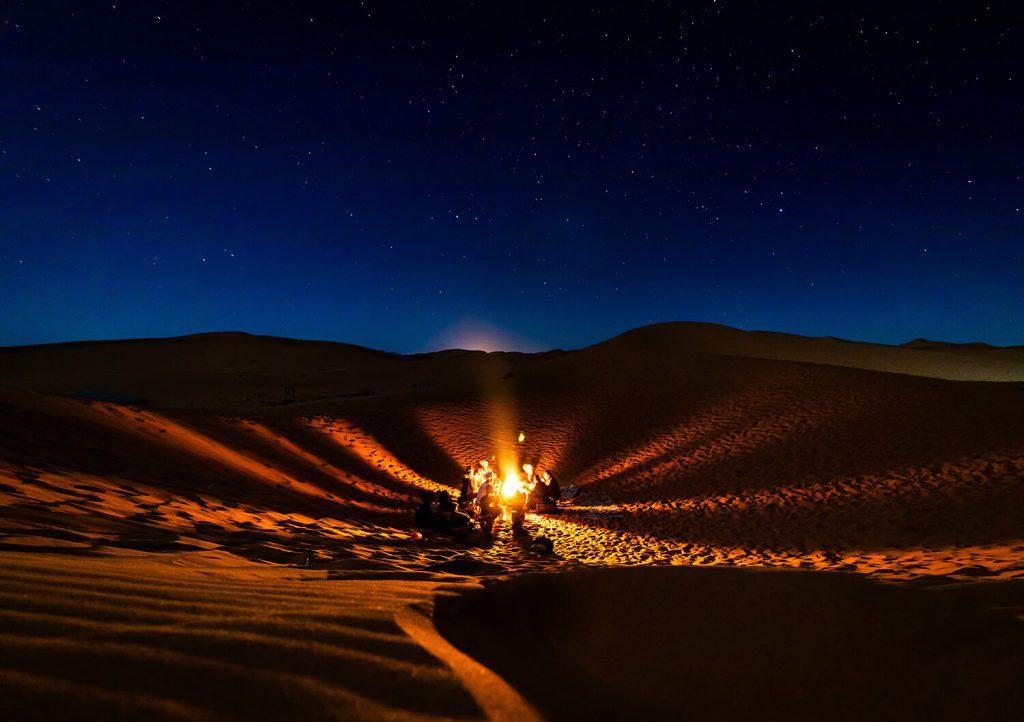
For travelers eager to expand their journey beyond the city, Marrakech also serves as a gateway to the wider landscapes of Morocco. Exploring farther afield with a Sahara Desert Trip allows you to contrast the city’s vibrant energy with the stillness of desert horizons. Whether you stay within the medina or venture beyond it, Marrakech invites you to tap into its magic at every turn.
🧭 FAQs
Q: Why is Marrakech called the Red City?
Marrakech is known as the Red City because many of its historic buildings, walls, and monuments are constructed from red sandstone and clay, giving the city its distinctive warm hue.
Q: How many days should you spend in Marrakech?
Three to four days is ideal for exploring Marrakech’s main sights, museums, neighborhoods, and gardens while still having time to relax and absorb the atmosphere.
Q: Is Marrakech a good destination for first-time visitors to Morocco?
Yes. Marrakech is often considered one of the best introductions to Morocco due to its mix of history, culture, modern attractions, and well-developed tourism infrastructure.
Q: What is the best area to stay in Marrakech?
Staying in the medina offers an immersive cultural experience close to historic sites, while neighborhoods like Gueliz provide a more modern, international atmosphere.
Q: Is Djemaa el Fna worth visiting during the day or at night?
Both. During the day, the square feels more relaxed and open, while evenings bring food stalls, performers, and a lively energy that defines Marrakech nightlife.
Q: Are museums in Marrakech suitable for families?
Many museums, including Jardin Majorelle and the Museum of Water, are family-friendly and engaging for visitors of all ages.
Q: What should you wear when sightseeing in Marrakech?
Comfortable clothing that respects local customs is recommended. Light, breathable fabrics and modest attire are ideal, especially when visiting religious or historic sites.
Q: Is Marrakech safe to explore on foot?
Marrakech is generally safe for walking, especially in busy areas. As with any major city, staying aware of your surroundings and respecting local customs is advised.
Q: Can you combine Marrakech with a desert tour?
Yes. Marrakech is one of the main gateways for Sahara Desert tours, making it easy to combine city sightseeing with a desert experience.
Q: What makes Marrakech different from other Moroccan cities?
Marrakech stands out for its intense energy, deep history, vibrant souks, and strong blend of ancient traditions with modern creativity.
—
Editor’s Note: This post was originally published in 2021 and updated in January 2026 for accuracy and freshness.
OTHER POSTS