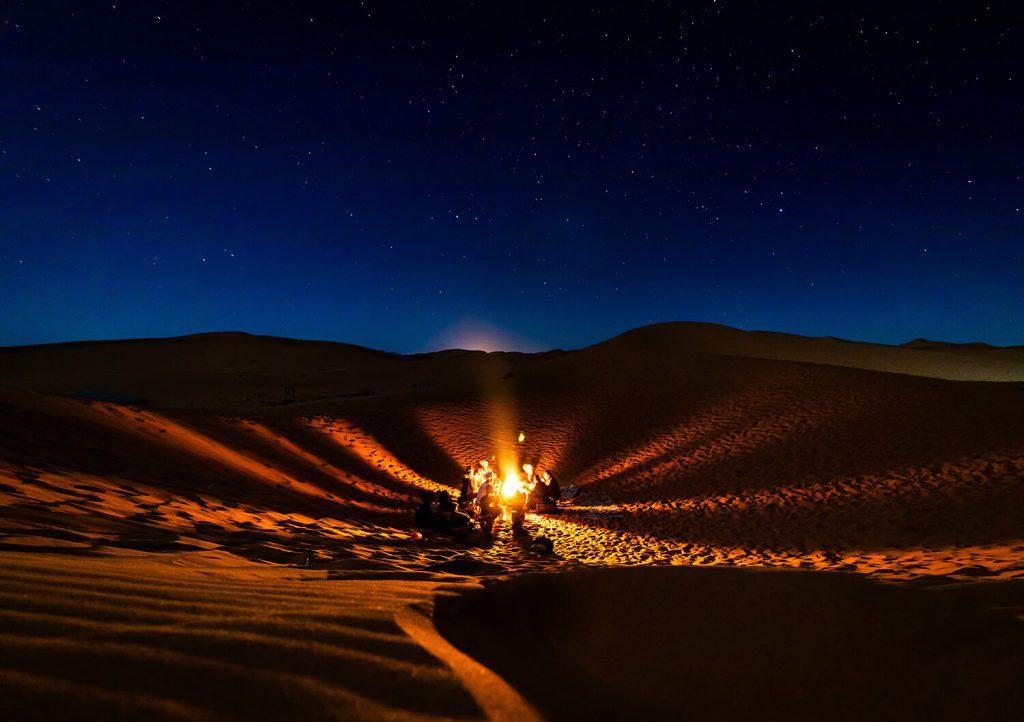
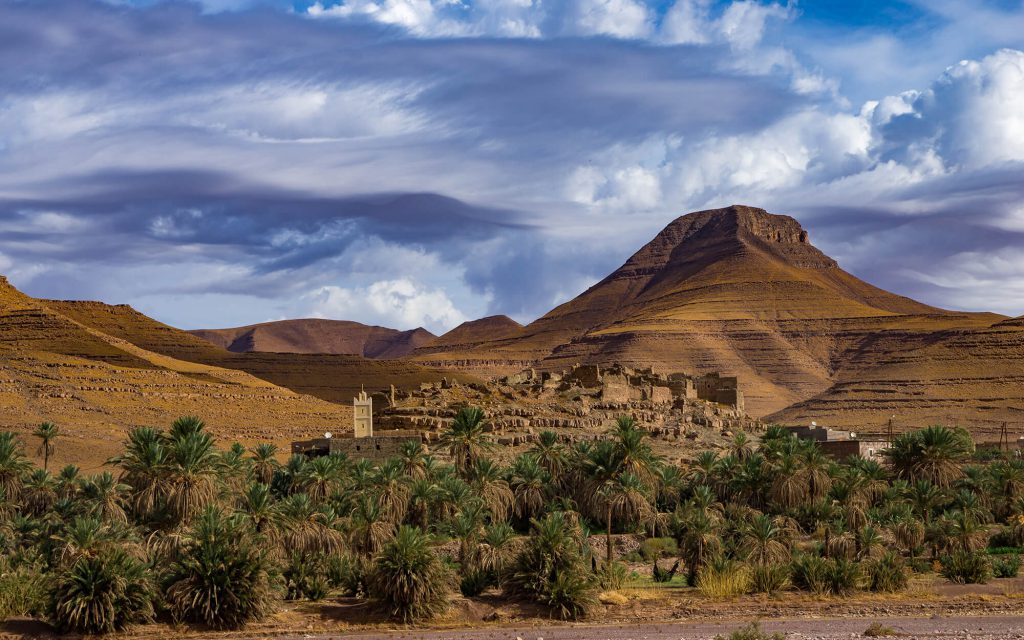
Packed with nomadic villages, dreamy vistas, and regional delights, the Souss Valley has it all. Experience rural Morocco in all its glory far from bright, city lights. Get to know the locals and learn about their way of life.
Stretching beneath the Anti-Atlas Mountains, the Souss Valley is one of Morocco’s most fertile and agriculturally rich regions. Vast palm groves, argan forests, citrus orchards, and vegetable fields create a landscape that feels both abundant and deeply rooted in tradition. Much of the valley remains rural, where small villages dot the terrain and life moves at a pace shaped by the land.
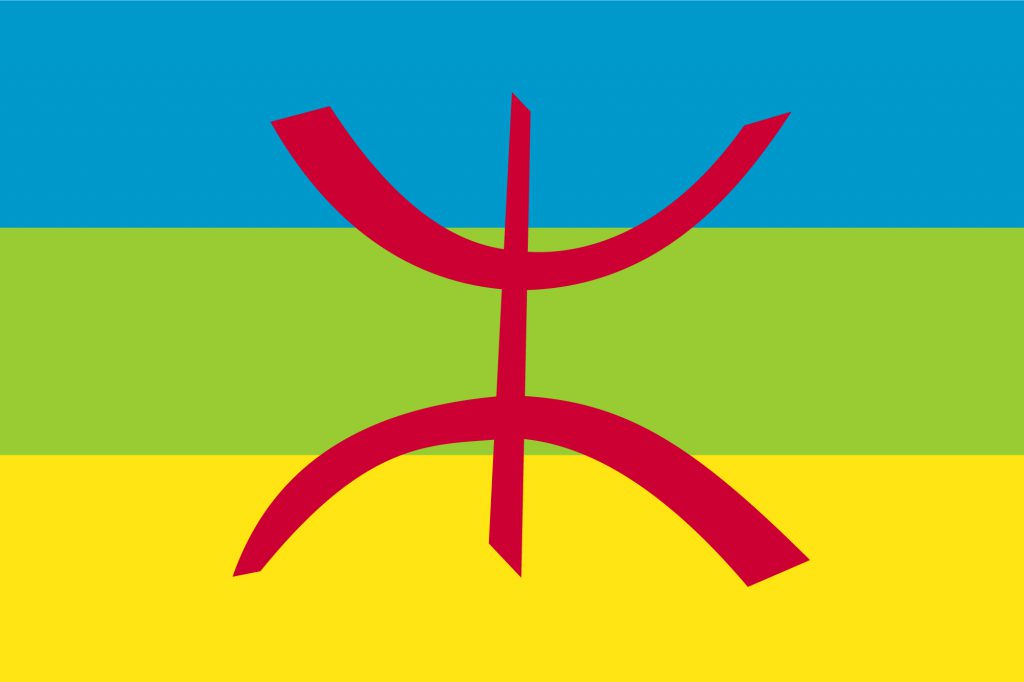
Scattered across hills and rocky outcrops are ancient agadirs, communal storage fortresses that once safeguarded harvests and valuables. These stone structures still overlook the villages below, offering a glimpse into the ingenuity and resilience of earlier generations. Many communities here are home to Amazigh families and descendants of nomadic peoples who continue to farm, produce argan oil, and maintain long-standing customs. Exploring the Souss Valley reveals a quieter, more authentic side of Morocco, far removed from city lights and modern rush, where landscapes and traditions remain closely intertwined.
Amtoudi
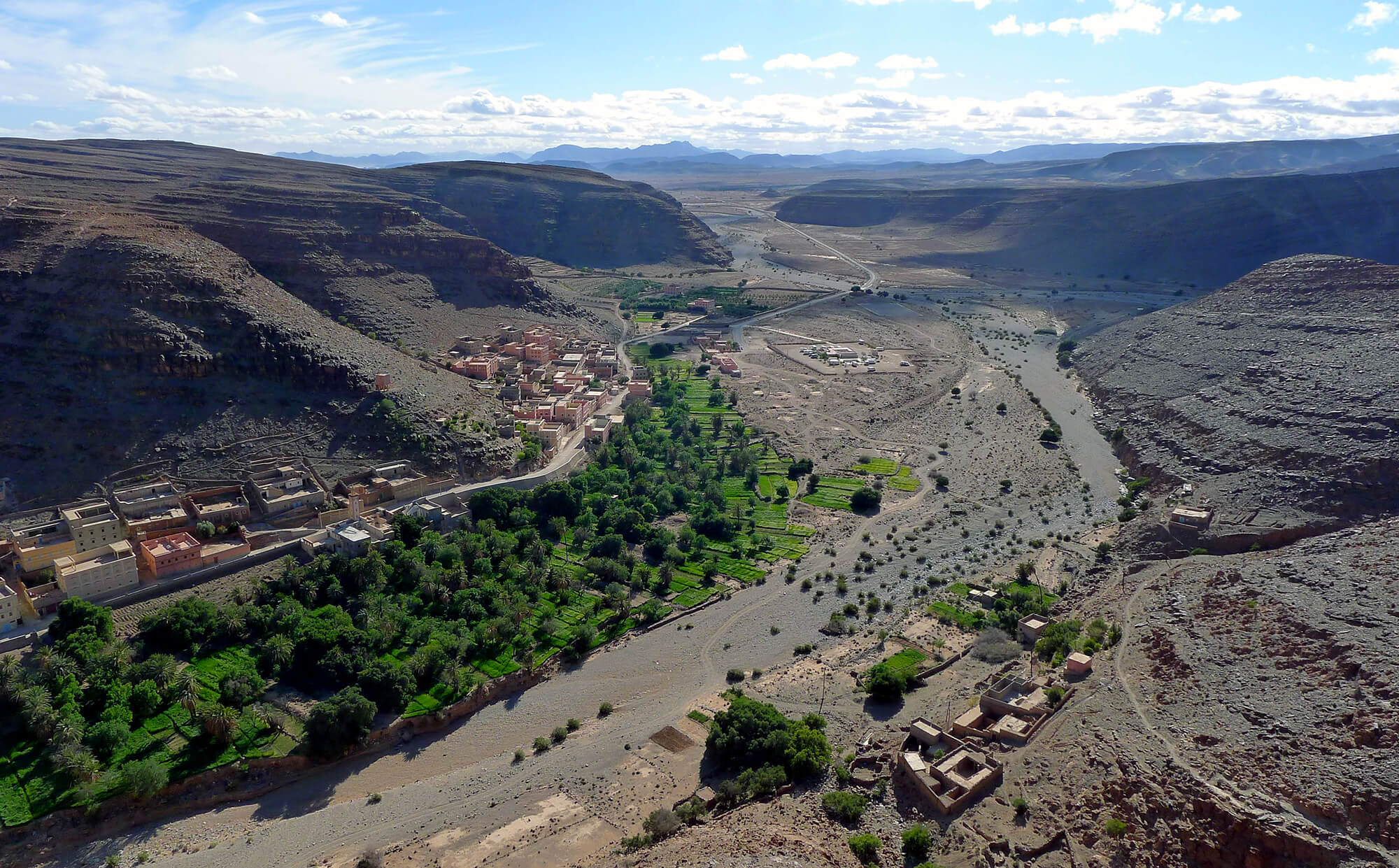
Remote and quietly dramatic, Amtoudi sits within a rugged desert landscape softened by the green oasis of Id Aissa. The village is home to only a few hundred families, many of whom continue to farm the surrounding land, cultivating dates, figs, almonds, apricots, olives, and citrus. Life here feels closely connected to nature, shaped by the rhythms of agriculture and the shelter of the mountains.
Climbing above the village reveals one of its most remarkable landmarks, the Agadir d’Id Aissa. Standing watch for nearly eight centuries, this restored stone granary rises from the rocky hillside, a testament to communal cooperation and architectural skill. Visitors can wander through some of its seventy-three chambers, imagining how it once protected food supplies and valuables. In the surrounding area, ancient rock carvings provide further insight into the deep-rooted heritage of the region and the enduring culture of Morocco. Amtoudi offers not just scenery, but a tangible connection to history and tradition.
Taroudant
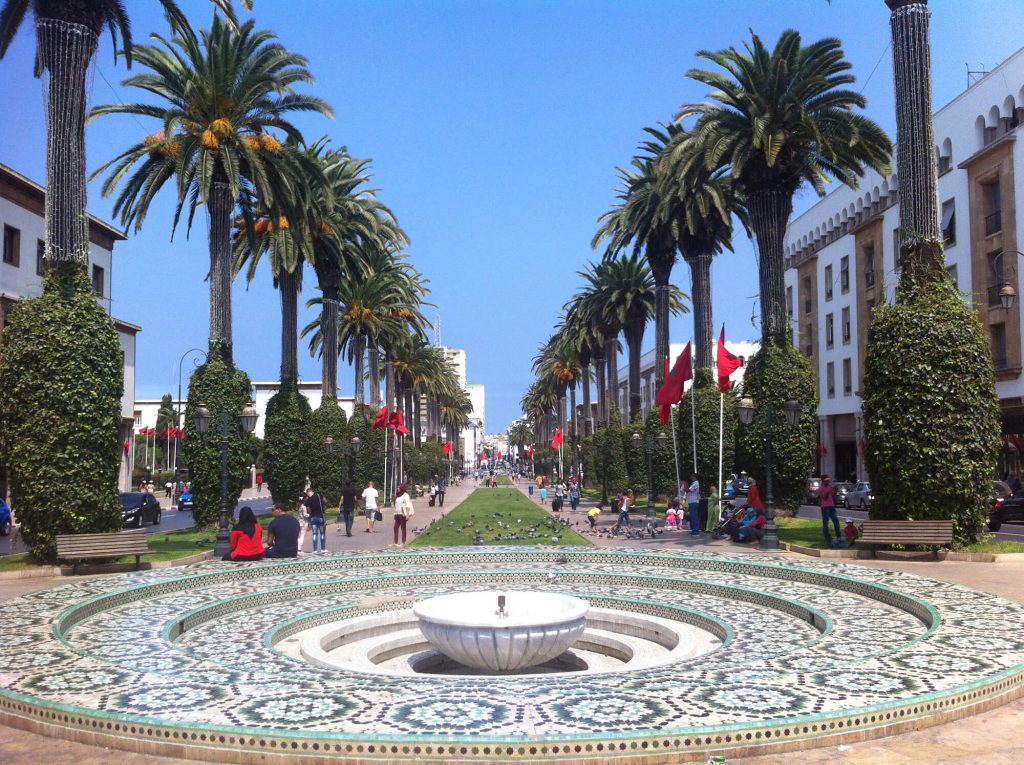
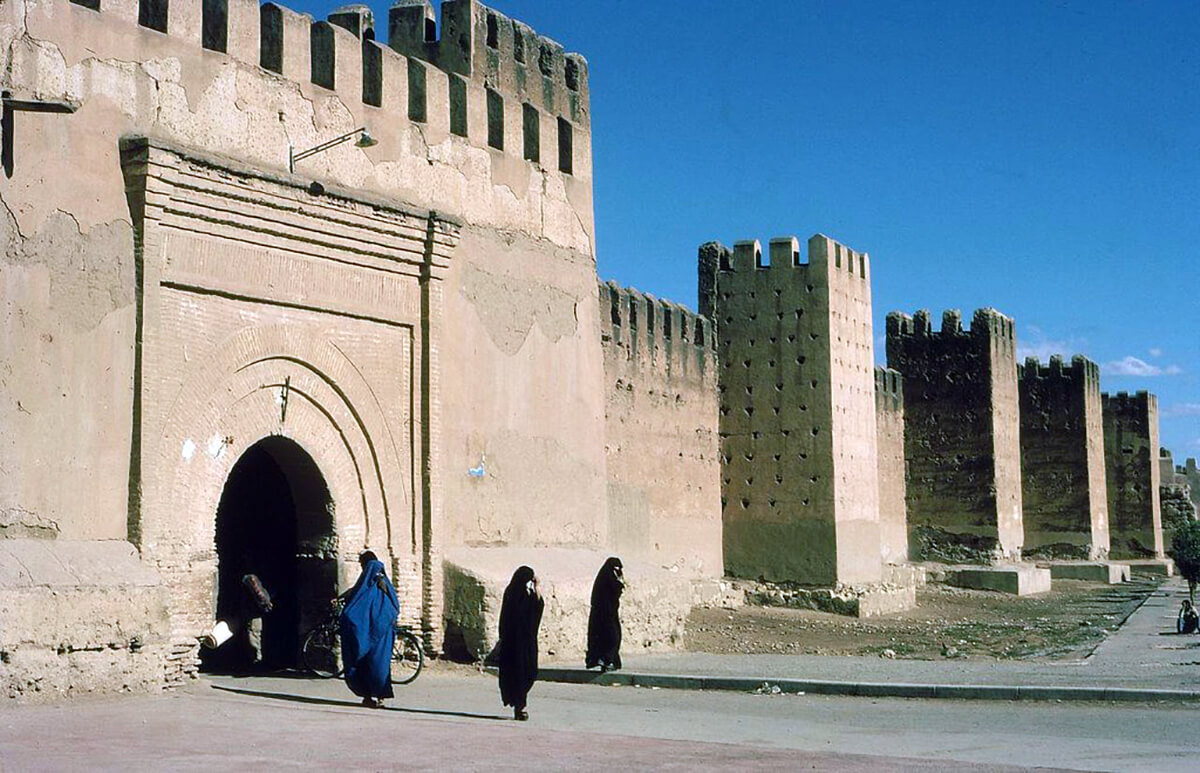
East of Agadir lies Taroudant, one of Morocco’s oldest cities, enclosed within impressive ochre ramparts that stretch for several kilometers. Often called “Little Marrakech” , the city echoes the architectural style of its larger counterpart, yet it retains a calmer and more intimate atmosphere. Walking through its gates feels like stepping into a preserved chapter of history, where tradition remains woven into daily life.
Inside the walls, the medina unfolds through a network of souks offering a relaxed shopping experience compared to the bustle of larger cities. Artisans display handmade pottery, jewelry, copperware, and carpets, all crafted using techniques passed down through generations. The city’s ancient tanneries provide insight into traditional leather-making practices that continue to this day, while local workshops such as Bijouterie Essada showcase intricate Moroccan silverwork.
Beyond the medina, Taroudant invites exploration into its surrounding landscapes. Horseback excursions through the countryside offer a unique way to experience the terrain, and guided visits to nearby sites such as Agadir Tasguent reveal more layers of regional heritage and facts about Morocco culture. Taroudant blends history, craftsmanship, and natural beauty in a way that feels both authentic and unhurried.
Taliouine
Known as Morocco’s saffron capital, Taliouine is surrounded by the striking landscapes of the Sirwa Mountains and fields of what locals call “red gold.” This small town produces the majority of Morocco’s saffron and is recognized as one of the most important cultivation areas in Africa. During harvest season in November, the air carries the faint scent of the delicate crocus flowers, and the community gathers to celebrate the annual saffron festival with music, dance, and vibrant displays of local culture.
Even outside festival season, Taliouine offers insight into the careful process behind this prized spice. Visiting the Souktana Cooperative allows travelers to learn about cultivation methods and browse a range of saffron-based products, from culinary items to handmade soaps and creams. A small museum nearby adds historical context, highlighting the role saffron has played in the region’s economy and traditions.
The surrounding terrain invites exploration, with accessible hiking trails weaving through rugged hills and valleys. The ruins of the Glaoui Kasbah stand as a reminder of the area’s historic significance, rising from a desolate yet beautiful landscape. Taliouine blends agriculture, culture, and mountain scenery into an experience that feels both grounded and quietly remarkable.
Tafraoute
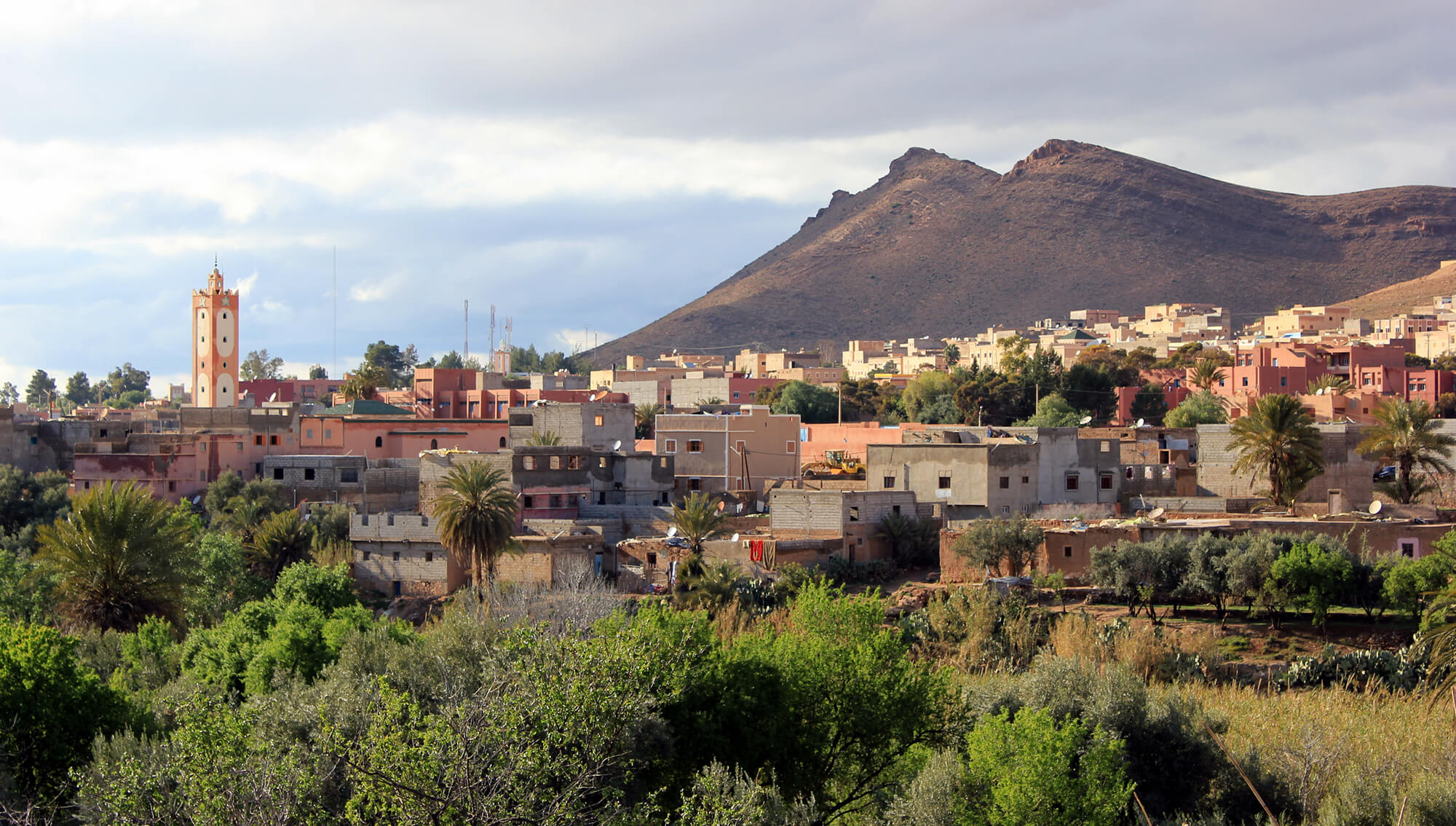
Nestled within the Ameln Valley and surrounded by dramatic granite formations, Tafraoute feels sculpted by nature itself. Earth-toned buildings blend seamlessly into the rocky terrain, creating a town that appears almost carved from the landscape. Known as Morocco’s largest producer of almonds, Tafraoute bursts into soft shades of white and pink each February during the Almond Blossom Festival, when music, dance, and community celebrations fill the air.
Throughout the year, the town remains a hub for outdoor enthusiasts. Hiking trails wind through the valleys and across rocky ridges, while climbers are drawn to the region’s imposing granite cliffs. One of the most recognizable natural landmarks is La Tête du Lion, a rock formation that resembles a lion’s head, best admired at sunset when shifting light brings the shape into focus. For those seeking a more demanding ascent, Jbel Kest offers panoramic views over the surrounding valley and mountains.
A short drive away lies Ait Mansour Gorge, one of the most striking oases in the Anti-Atlas range. Palm trees line the canyon floor, creating shade and cooler air beneath towering rock walls. Tafraoute captures the essence of the Souss Valley’s rugged beauty, where festivals, landscapes, and tradition merge into a deeply rooted sense of place.
Tata
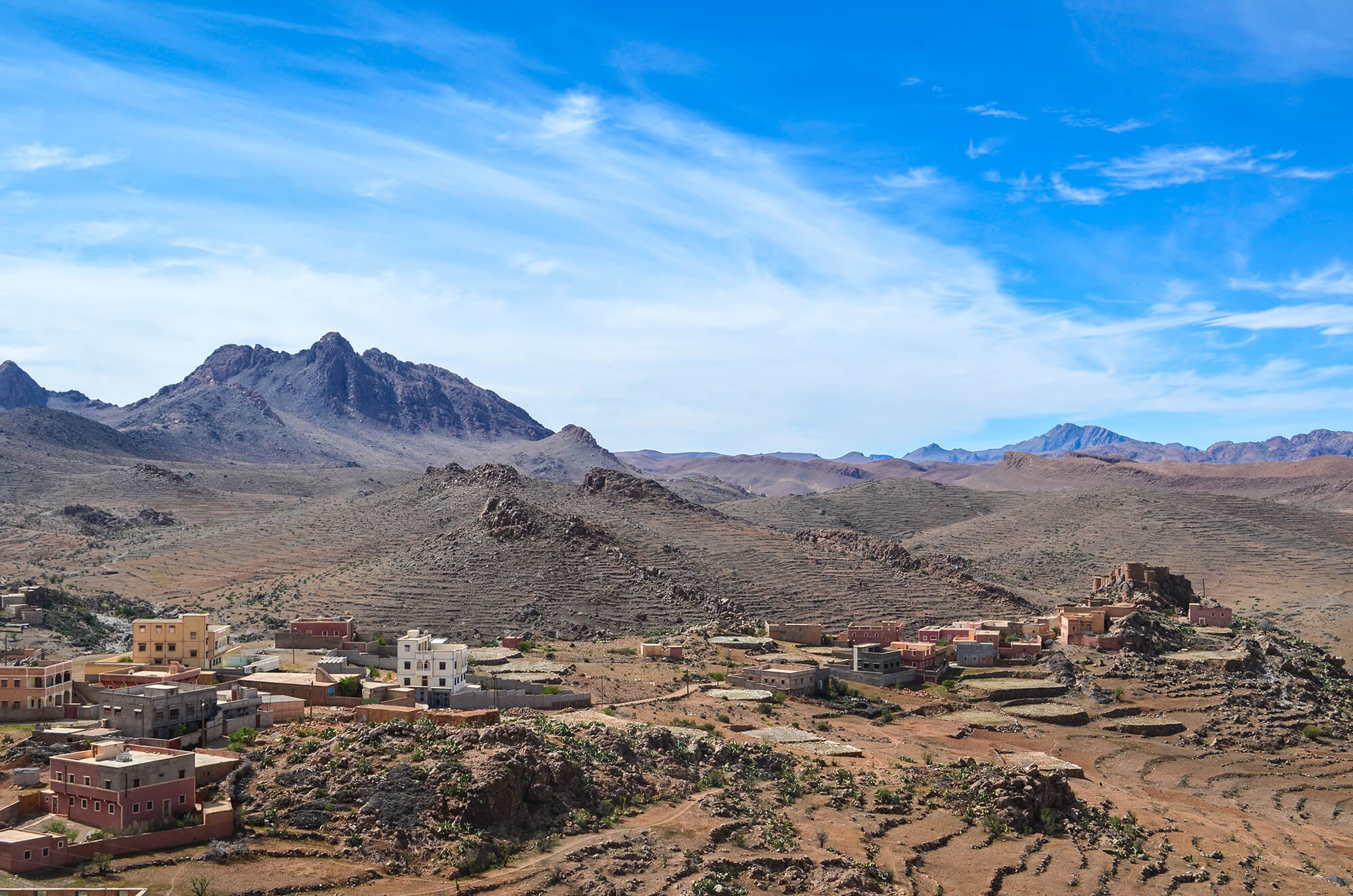
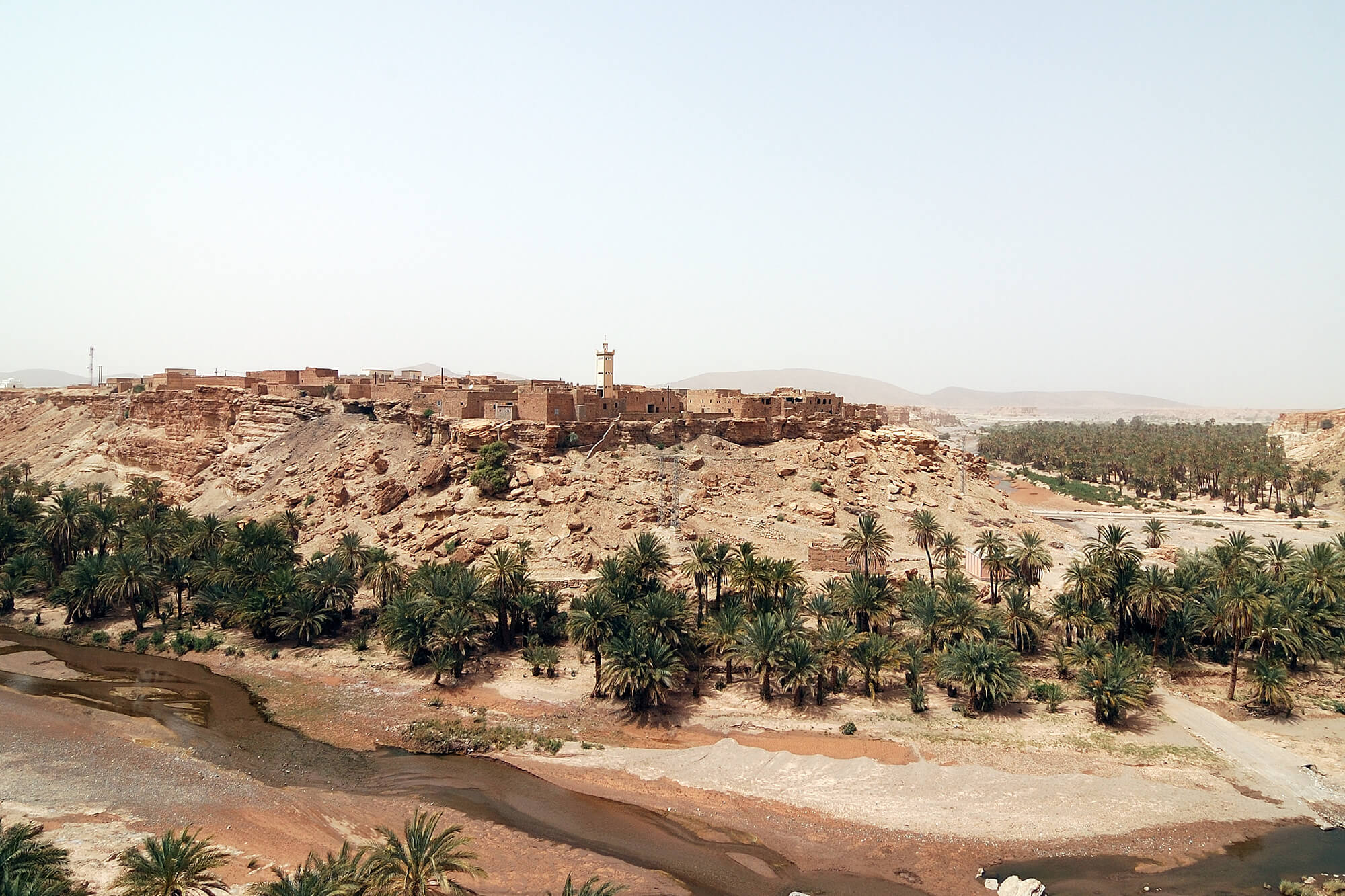
Set against a stark desert backdrop near the Algerian border, Tata offers a landscape shaped by time, trade, and resilience. Traditional adobe homes built from local clay blend into the surrounding terrain, while groves of date palms provide life and shade within this arid environment. As one of the largest oases between the Atlantic coast and the Zagora Desert, Tata has long served as a crossroads for travelers moving through southern Morocco.
The region holds remarkable archaeological significance. Ancient cave paintings, some among the oldest in Morocco, offer glimpses into prehistoric life. The Caves of Messalit, dating back to the Paleolithic era, reveal dramatic rock formations filled with stalactites and stalagmites, shaped over millennia. Across the surrounding area, the remains of fortified ksars stand as reminders of earlier communities that once thrived here, built from the distinctive pink clay of the region.
Exploring Tata by foot or through a quad biking adventure reveals a vast terrain rich with both natural and cultural layers. Though its past includes difficult chapters, including its role in historic trade routes, today Tata reflects a community where Amazigh and Haratin families live side by side, cultivating carob, almonds, olives, citrus, and sustaining traditions rooted in the land.
Tissint
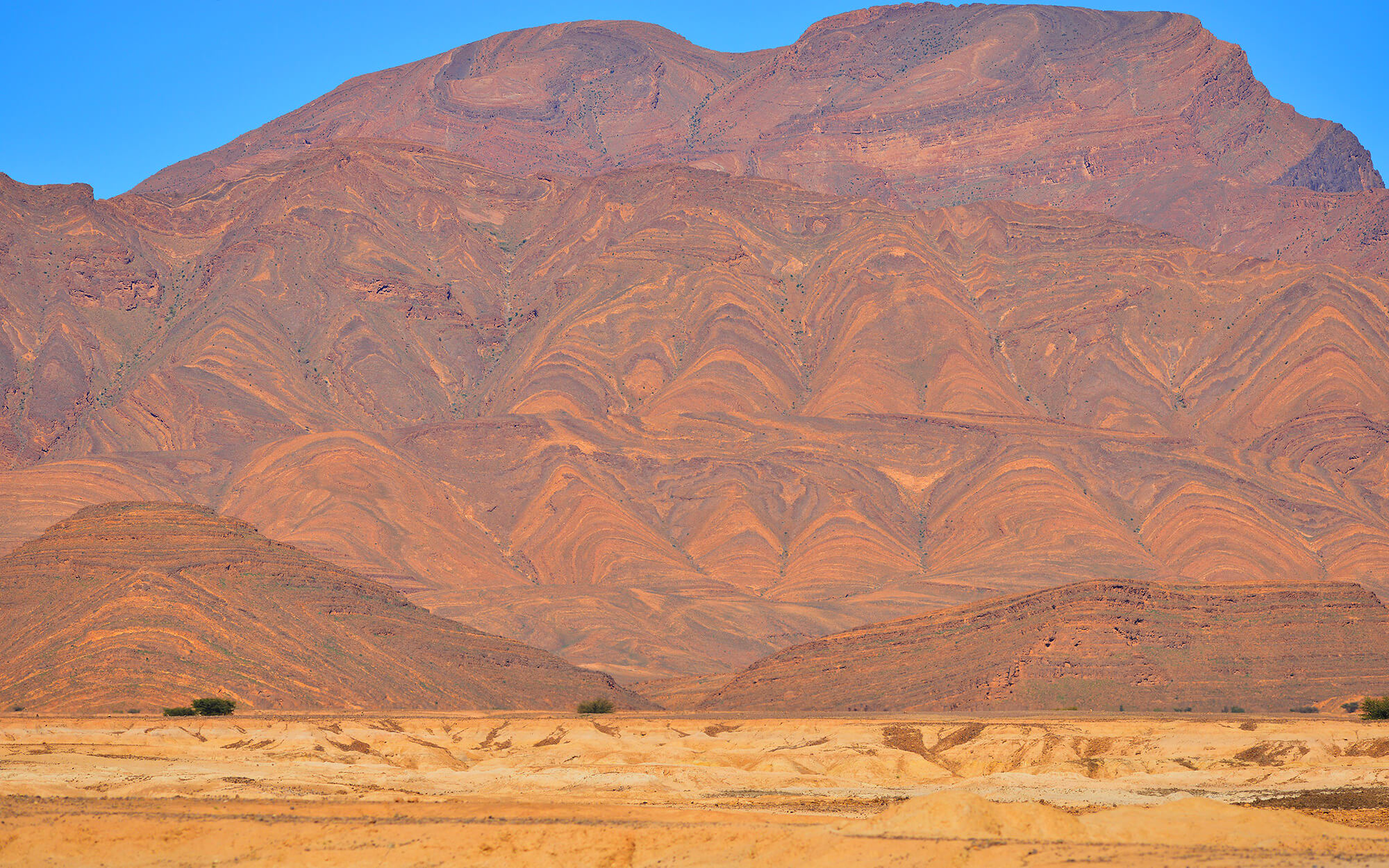
At first glance, Tissint appears defined by rocky desert terrain and vast open horizons, yet beneath its rugged surface lies a surprising abundance of water and greenery. Hidden waterfalls cascade through narrow gorges, feeding natural pools surrounded by clusters of palm trees. The contrast between arid stone and bursts of green creates a setting that feels both unexpected and refreshing.
Located not far from Tata, Tissint gained wider recognition in 2011 when a meteorite landed in the area, scattering fragments across the desert. While the cosmic event brought attention to the town, its true appeal lies in its quiet charm and natural beauty. Visitors come to swim in clear pools, explore the surrounding gorge, and wander through streets lined with jewel-toned buildings. Tissint offers a peaceful pause within the wider expanse of the Souss Valley, where water, rock, and sky meet in striking harmony.
Souss Massa National Park
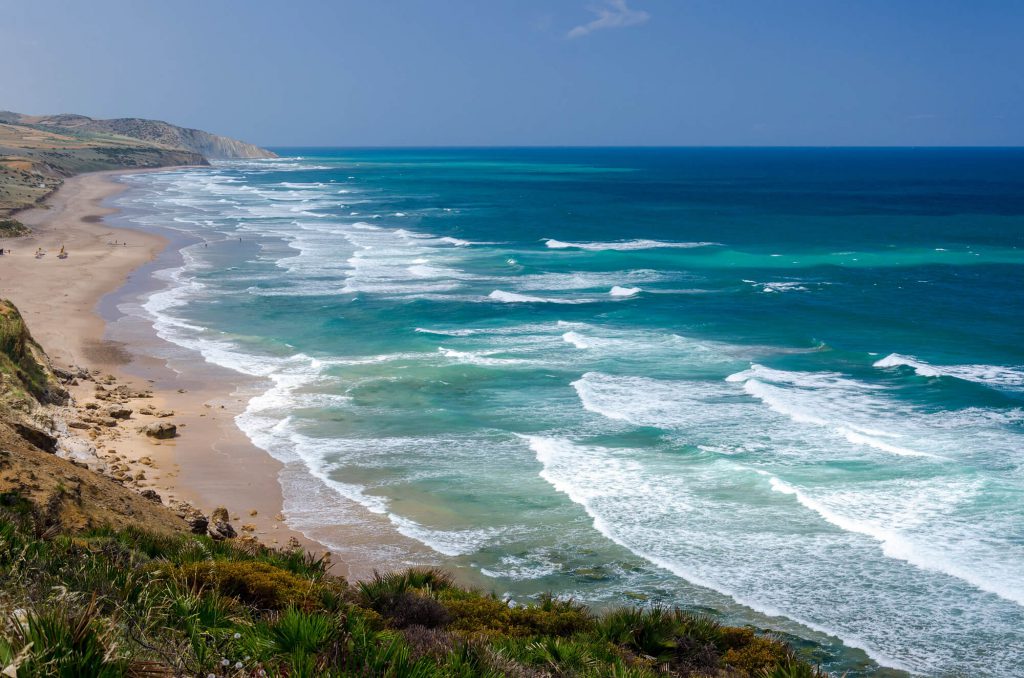
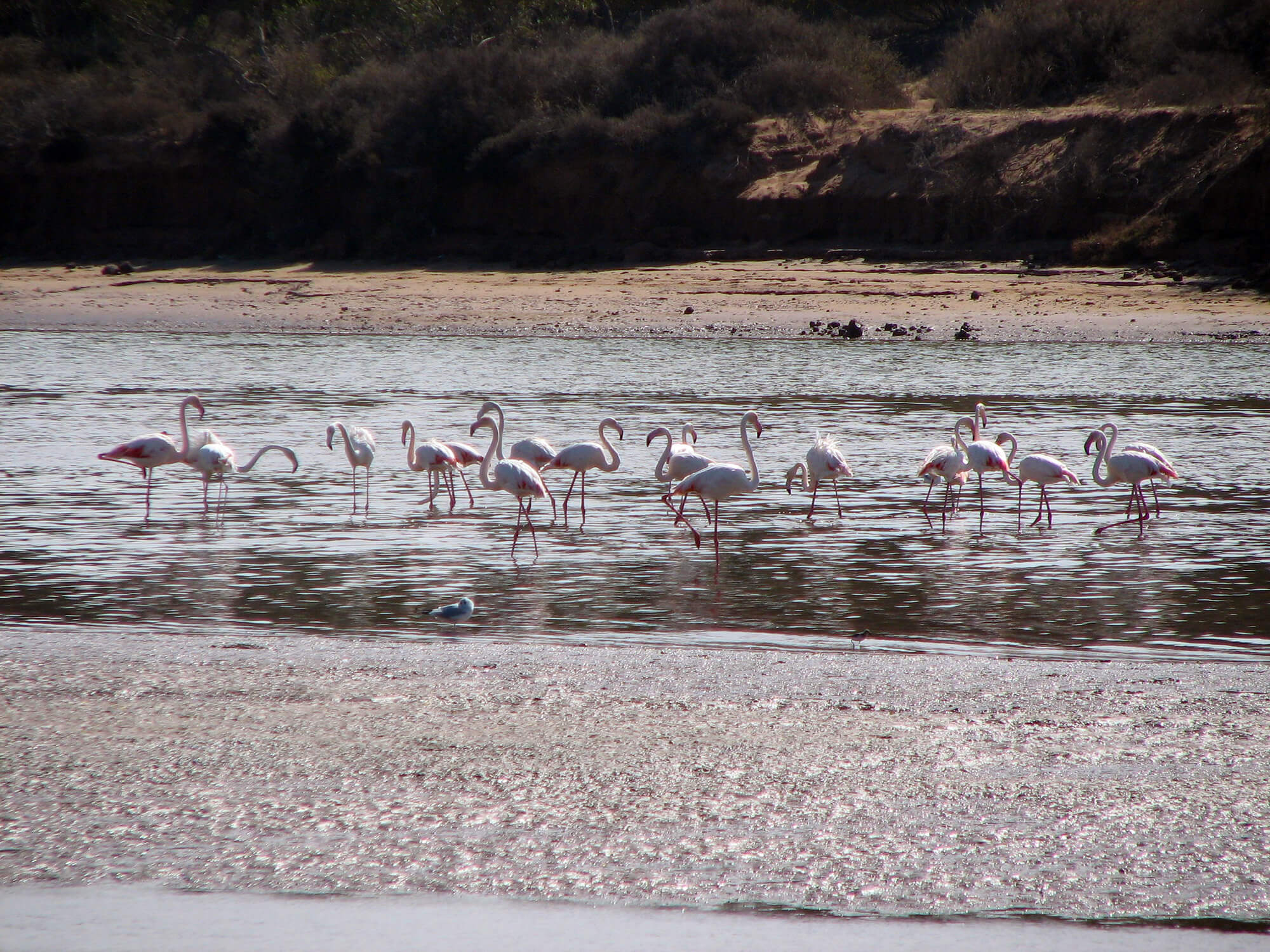
Stretching along Morocco’s Atlantic coastline, Souss Massa National Park protects a diverse mosaic of landscapes across more than thirty thousand hectares. Sand dunes meet rocky cliffs, argan forests blend into wetlands, and long beaches open toward the ocean. The park serves as a sanctuary for native wildlife and migratory bird species, making it one of the country’s most significant ecological zones.
Birdwatchers are often drawn here for the rare “northern bald ibis”, one of the world’s most endangered bird species, which finds refuge along this protected stretch of coast. Walking through the park reveals constantly shifting scenery, from quiet river estuaries to windswept dunes and rugged shoreline. The combination of biodiversity and dramatic terrain offers a final reminder that the Souss Valley is not only culturally rich, but environmentally remarkable as well.
—
Much of the Souss Valley remains refreshingly unspoiled, shaped by agriculture, tradition, and natural beauty rather than rapid development. From fortified granaries perched on hillsides to saffron fields, desert oases, and coastal reserves, the region offers layers of discovery that reward slow exploration.
Traveling through the valley reveals a side of Morocco that feels grounded and authentic, where communities maintain strong ties to land and heritage. Whether drawn by history, landscapes, or rural culture, the Souss Valley invites visitors to experience a quieter rhythm and uncover the richness that lies beyond the well-trodden paths.
—
🧭 FAQs
Q: Where is the Souss Valley located?
The Souss Valley lies in southern Morocco between the High Atlas and Anti-Atlas Mountains, stretching toward the Atlantic coast near Agadir.
Q: What is the Souss Valley known for?
The region is known for its agriculture, argan oil production, saffron fields, ancient granaries called agadirs, and traditional Amazigh villages.
Q: Is the Souss Valley worth visiting?
Yes. The Souss Valley offers authentic rural landscapes, historic sites, mountain scenery, and cultural experiences far from Morocco’s major cities.
Q: How many days do you need to explore the Souss Valley?
Two to four days allows time to visit several villages, hike in the Anti-Atlas Mountains, and explore natural sites like oases and national parks.
Q: What is an agadir in Morocco?
An agadir is a traditional fortified granary built by Amazigh communities to store grain and valuables, often constructed on elevated rocky terrain.
Q: When is the best time to visit the Souss Valley?
Spring and autumn offer the most comfortable temperatures for hiking and sightseeing, while winter is mild and suitable for exploring desert areas.
Q: Can you visit the Souss Valley from Marrakech or Agadir?
Yes. The valley can be reached by car or guided tour from both Marrakech and Agadir, making it accessible for travelers exploring southern Morocco.
Q: What makes Taliouine special?
Taliouine is known as Morocco’s saffron capital and hosts an annual saffron festival celebrating the harvest of this valuable spice.
Q: Is Souss Massa National Park good for wildlife viewing?
Yes. The park protects diverse habitats and is especially important for birdwatching, including sightings of rare species such as the northern bald ibis.
Q: Is the Souss Valley suitable for outdoor activities?
Absolutely. The region offers hiking, rock climbing, quad biking, and exploration of oases, caves, and mountain landscapes.
—
Editor’s Note: This post was originally published in 2021 and updated in January 2026 for accuracy and freshness.
OTHER POSTS