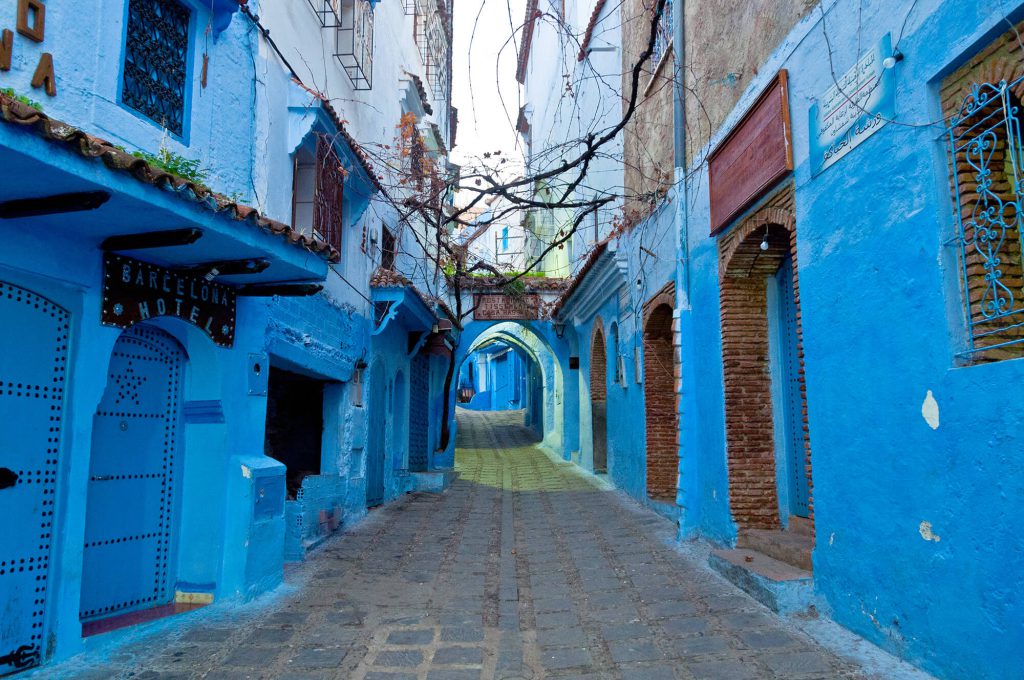
Chefchaouen is famous for its multi-shades of blue that draw tourists from around the world. Wander its narrow, city streets packed with endless surprises. Find authentic souvenirs, hike outside the city for breathtaking views, and soak up the local culture.
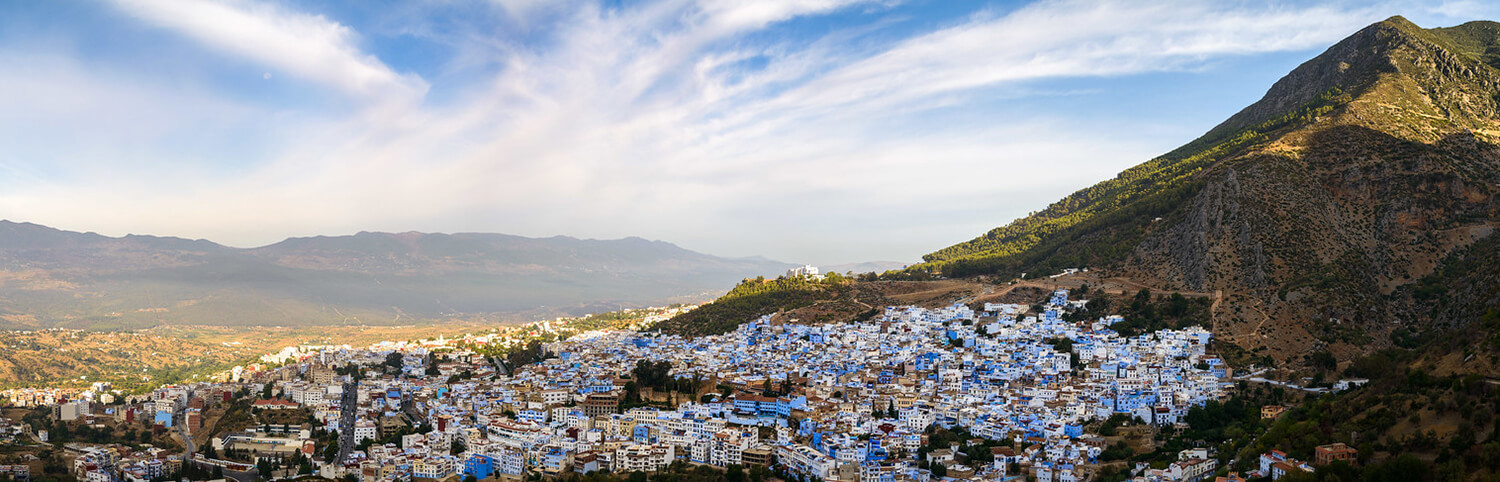
With its layered shades of blue washing over houses, stairways, and narrow streets, Chefchaouen has become one of Morocco’s most visually striking destinations. Tucked into the foothills of the Rif Mountains, the town sits within a lush landscape and feels both peaceful and dramatic, with views stretching toward the distant sea. Over the past decade, Chefchaouen’s popularity has surged, driven largely by social media and its unmistakable aesthetic, making it a regular highlight of many Morocco package tours. Despite the attention, the town has managed to retain a relaxed, almost dreamlike atmosphere that continues to inspire visitors.
The tradition of painting the city blue dates back to 1492, when Jewish refugees arrived after fleeing the Spanish Inquisition. At the time, blue was used to distinguish Jewish neighborhoods, but over time the practice spread, eventually embraced by the entire community as a symbol of unity. Several theories attempt to explain the choice of color, from its spiritual connection to the sky and heavens, to practical reasons such as repelling insects, or simply reflecting the nearby sea. Whatever its origins, the result is a town that feels uniquely soothing and endlessly captivating, inviting visitors to slow down and explore at their own pace.
Take Photographs
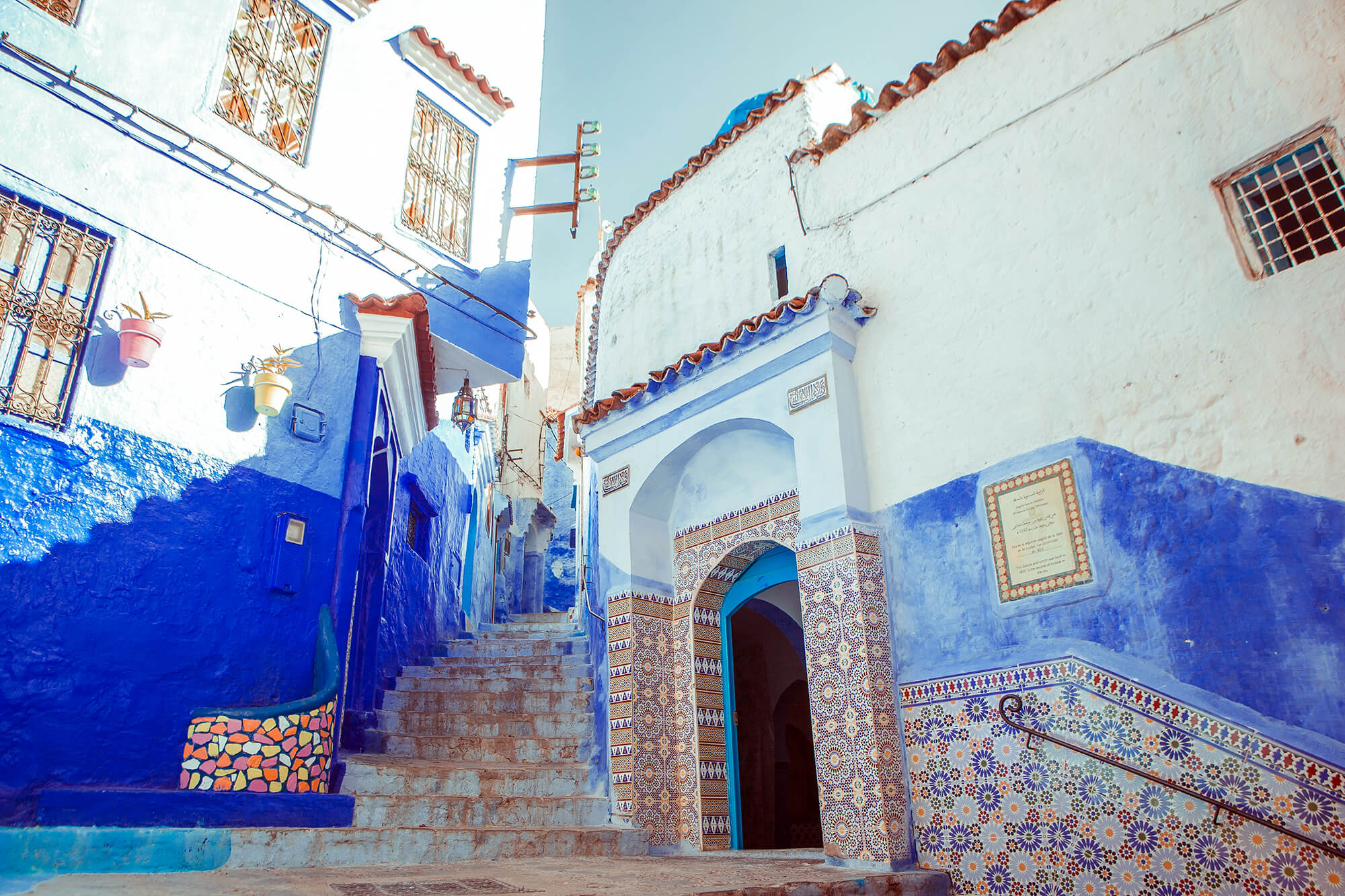
Chefchaouen feels as though it was designed with photographers in mind. Wandering through the town is an experience of constant discovery, where narrow streets curve unexpectedly and stairways seem to lead both nowhere and everywhere at once. Light shifts throughout the day, changing the tone of the blue walls from soft and pastel to deep and dramatic, creating endless opportunities to capture something new with every turn.
As you explore, you’ll notice details that give the town its character. Brightly painted doors and windows stand out against textured walls, curious cats nap in quiet corners, and locals go about their daily routines, adding life and authenticity to every frame. Photography here isn’t just about capturing beautiful images—it’s a way to slow down and absorb the atmosphere of the town. Each photograph becomes a memory of a moment, preserving the calm, color, and gentle rhythm that make Chefchaouen so special.
Buy Local
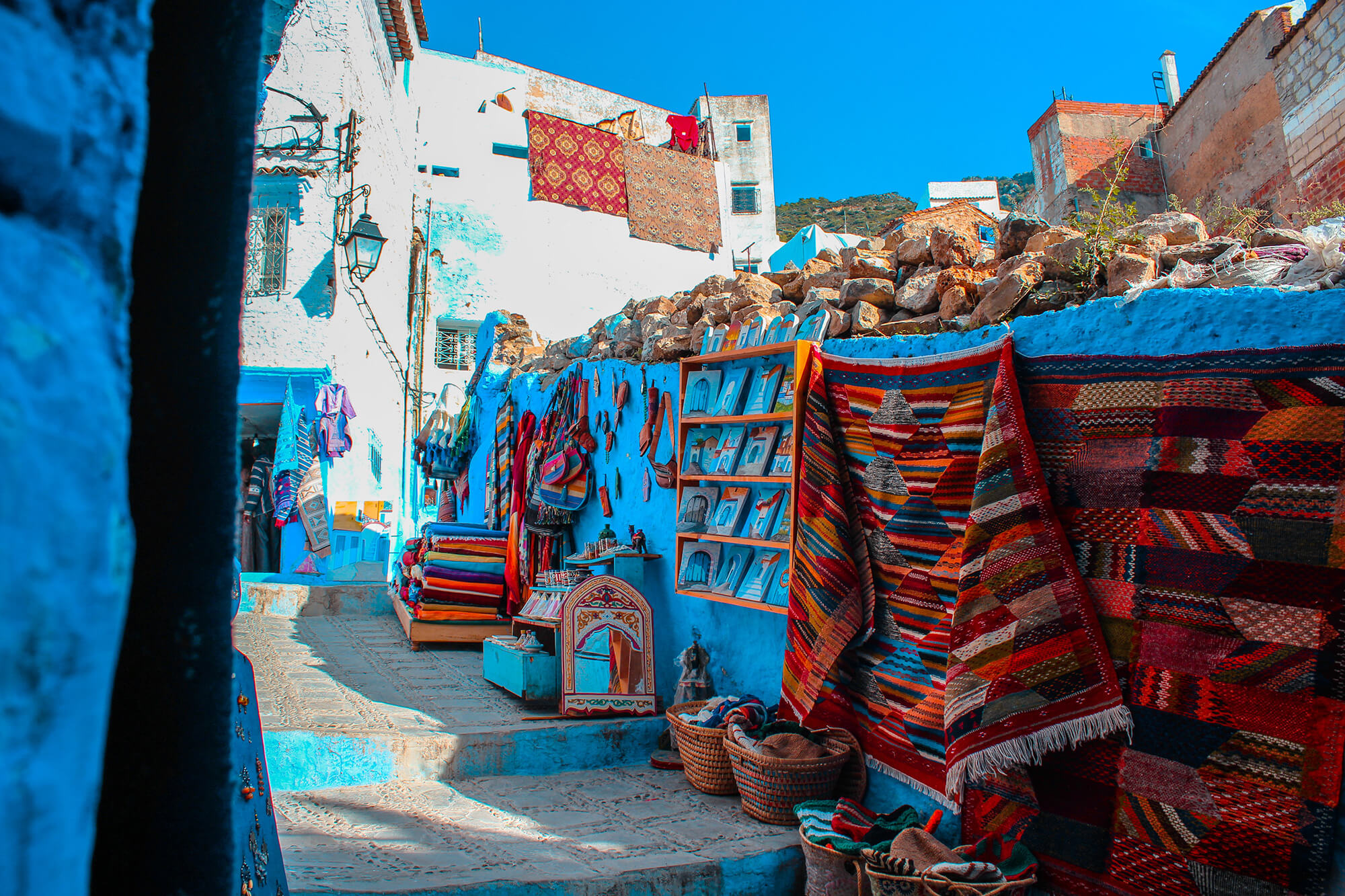
Shopping in Chefchaouen feels more personal than in many of Morocco’s larger cities. The medina is a wonderful place to wander slowly, not just to browse but to appreciate the craftsmanship on display. Rugs and leather goods are especially popular here, often distinguished by subtle colors and patterns that reflect the town’s quieter character. As you move through the streets and alleyways, the blend of Moroccan and Andalusian architectural details adds to the experience, making even a simple stroll feel visually rewarding.
Beyond permanent shops, weekly markets bring together local vendors selling handmade crafts and traditional goods from the surrounding region. Buying directly from artisans supports local families and helps preserve skills that have been passed down through generations. Whether you’re searching for a meaningful souvenir or simply enjoying the exchange with shopkeepers, shopping locally in Chefchaouen offers a genuine connection to the town and its community.
Grand Mosque
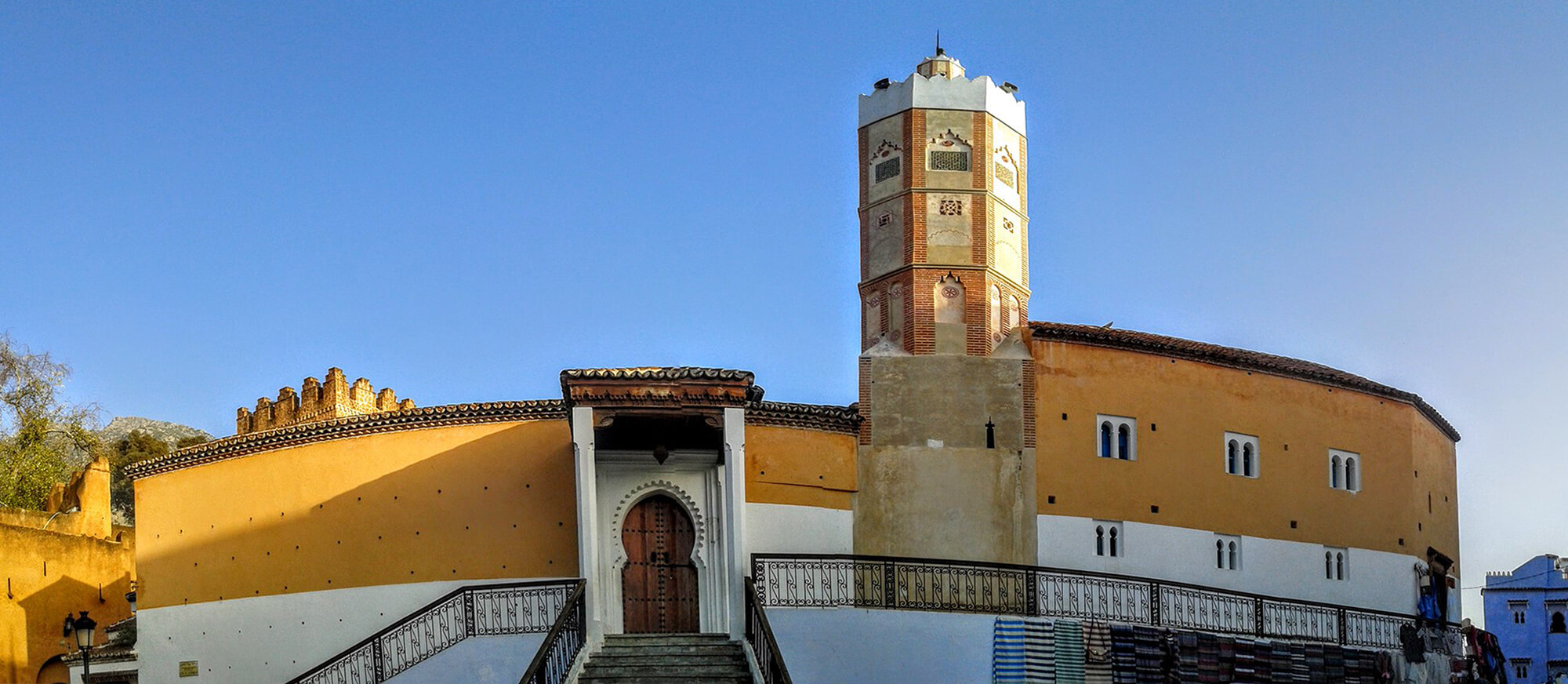
Rising in warm stone tones against the sea of blue that surrounds it, the Grand Mosque stands out as one of Chefchaouen’s most striking landmarks. Built in the 15th century, it is the town’s oldest mosque and features a distinctive octagonal minaret, a design believed to be influenced by Andalusian architecture. Its presence adds an earthy contrast to the city’s cool palette, grounding the skyline with a sense of history and tradition.
While non-Muslims are not permitted to enter, the exterior alone is worth lingering over. Observing the mosque from nearby streets or during the softer light of early morning or late afternoon offers a quiet moment of reflection. The structure serves as a reminder that beneath Chefchaouen’s photogenic surface lies a town deeply connected to faith, heritage, and daily rhythms that continue much as they have for centuries.
Ras el-Ma
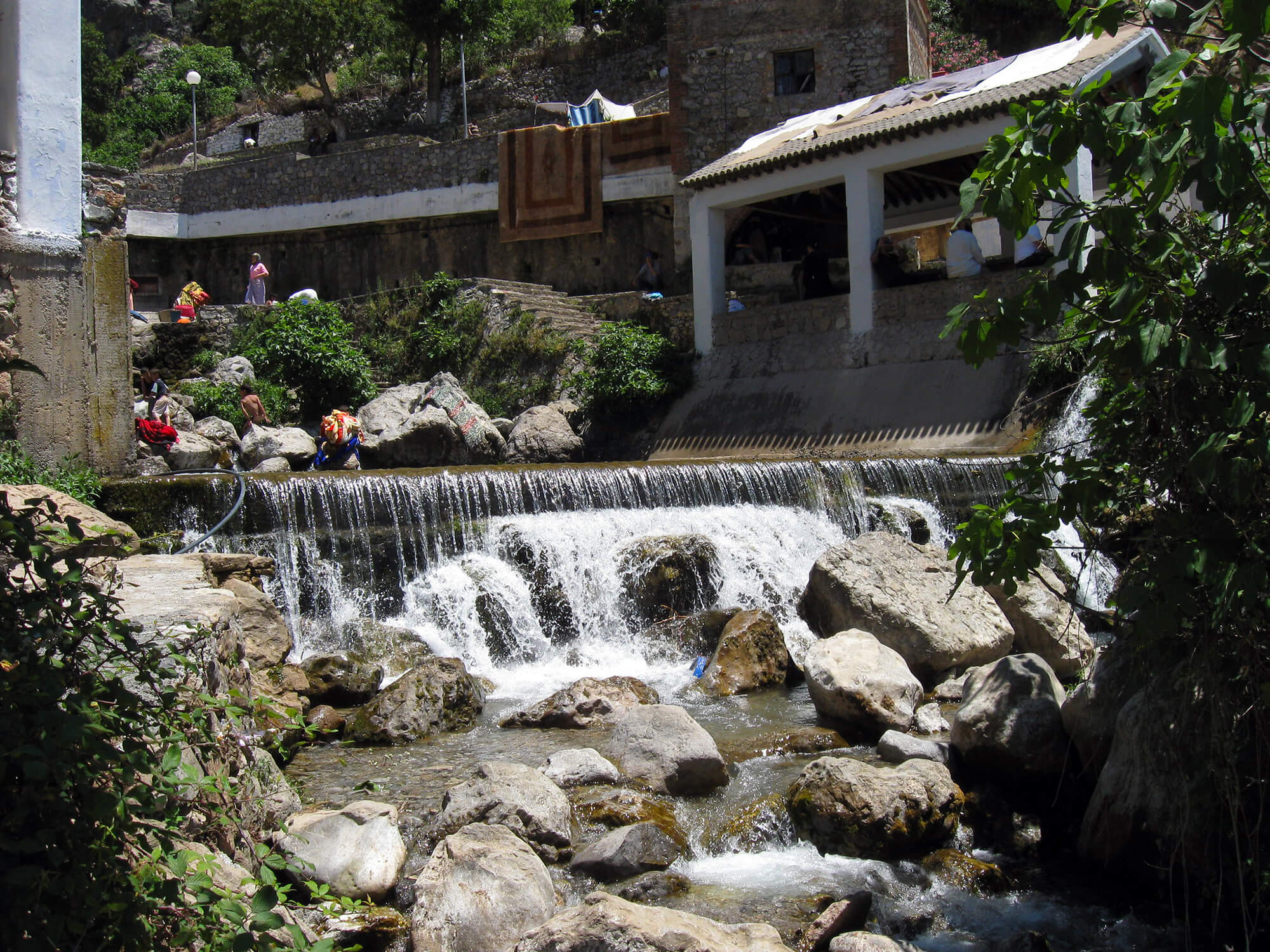
At the edge of the medina, Ras el-Ma offers a refreshing glimpse into everyday life in Chefchaouen. This natural spring flows down the mountainside, creating a small cascade where locals gather to cool off and slow the pace of the day. It’s common to see women washing clothes by hand at the water’s edge, continuing traditions that have been part of daily life here for generations. The sound of running water adds a soothing contrast to the quiet hum of the town.
The area around Ras el-Ma also marks the transition from city to nature. Paths begin to climb gently into the hills, inviting those with a bit of energy to explore farther. Whether you stop briefly to rest by the water or continue upward for wider views, Ras el-Ma offers a peaceful pause and a chance to experience Chefchaouen beyond its blue streets.
Plaza Uta El Hammam
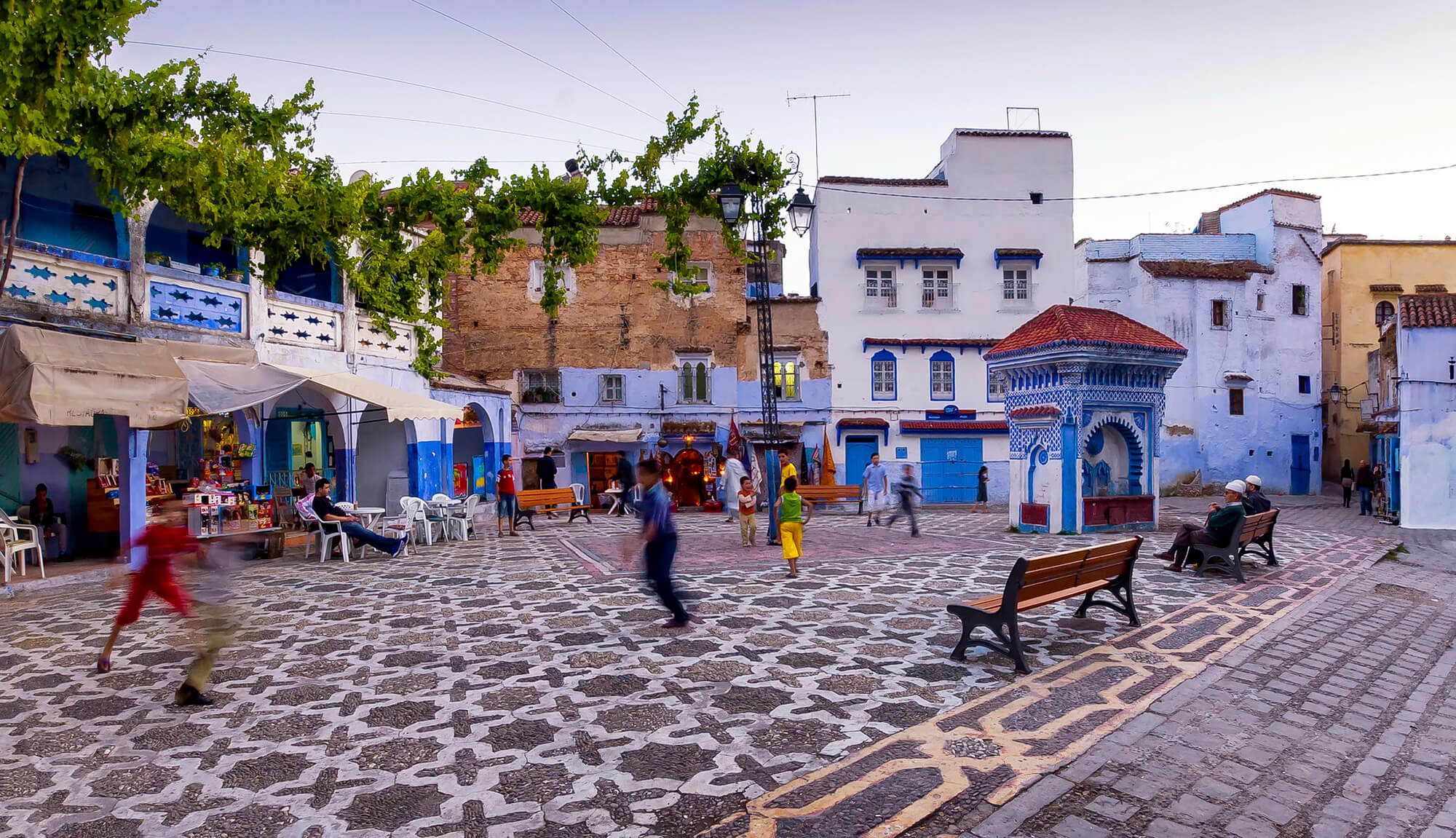
Plaza Uta El Hammam sits at the heart of Chefchaouen’s medina and serves as a natural gathering place for both locals and visitors. The open, cobblestone square offers a welcome sense of space after wandering through narrow streets, making it an ideal spot to slow down and take in the atmosphere of the town. Cafés and restaurants line the plaza, inviting you to sit outdoors, enjoy a drink, and simply watch life unfold around you.
From this central point, the rhythm of Chefchaouen becomes especially clear. Children play nearby, shopkeepers greet familiar faces, and travelers pause to admire the surrounding blue façades. Spending time here allows you to observe the town without rushing, absorbing the sounds, movement, and gentle pace that define daily life in Chefchaouen.
Bouzaafar (Spanish Mosque)
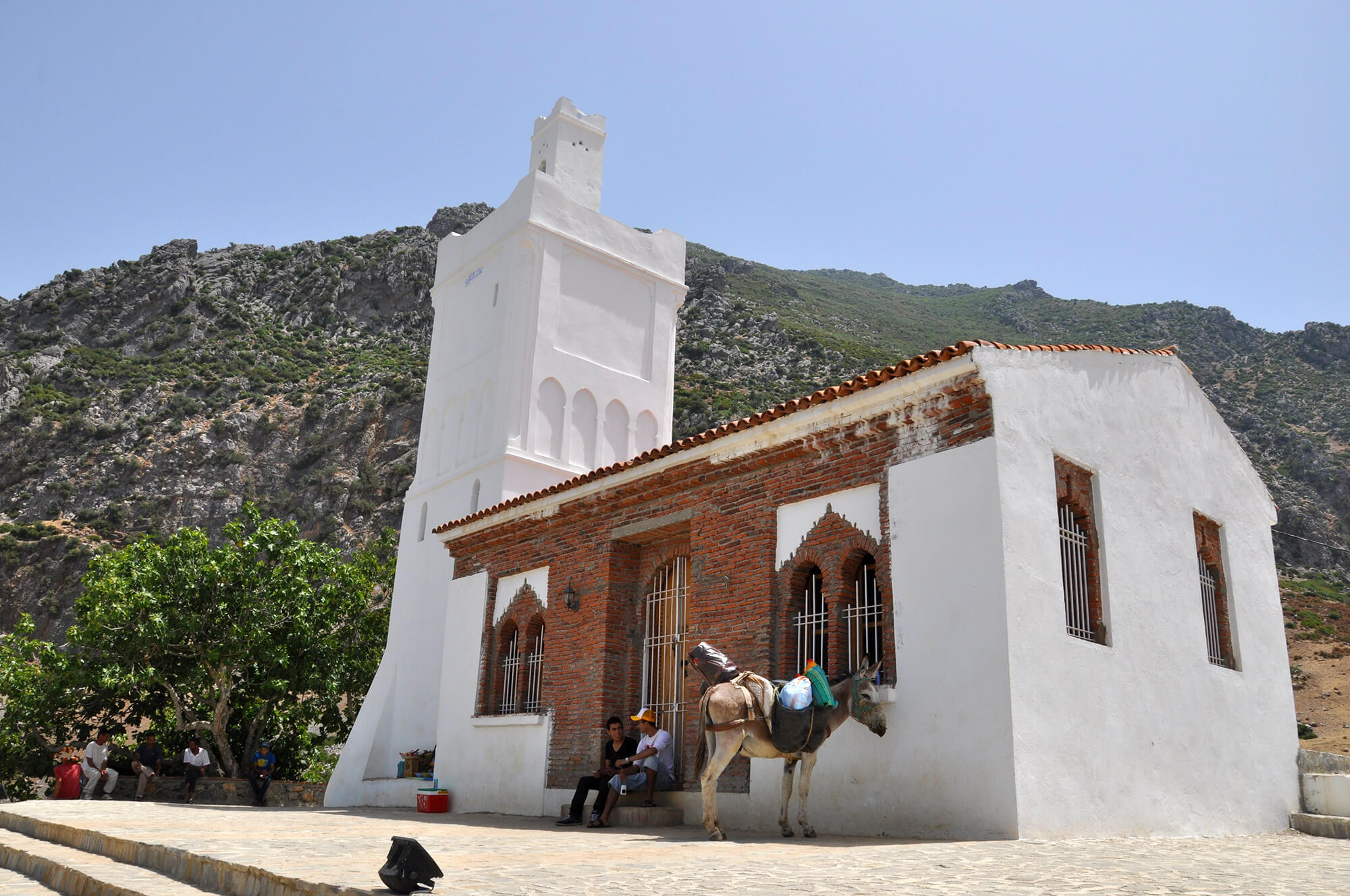
Perched on a hill overlooking Chefchaouen, the Spanish Mosque offers one of the most rewarding viewpoints in the area. Built in the 1920s during the Spanish occupation, the structure was intended for local worship but was never used, eventually falling into quiet ruin. Its weathered presence now feels more contemplative than grand, adding to the sense of stillness that surrounds it.
Reaching the mosque is part of the experience. A hike from the medina takes about forty-five minutes and gradually reveals wider views of the town and surrounding landscape, though taxis are also available for those who prefer an easier route. The best time to visit is at sunset, when the blue town below softens into shades of gold and violet. From this vantage point, Chefchaouen feels calm and expansive, making the climb well worth the effort.
Kasbah Museum
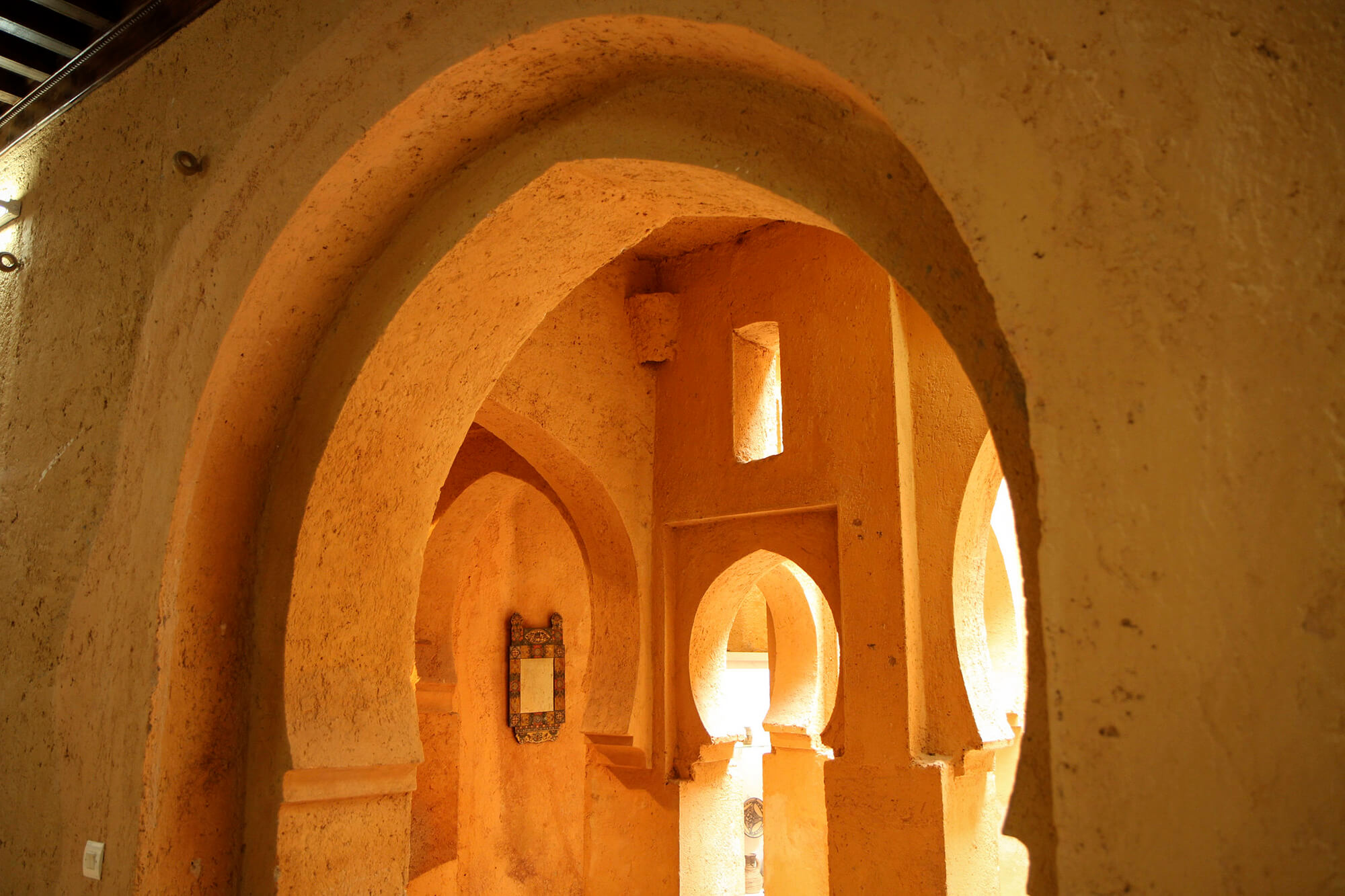
At the center of the medina, near Plaza Uta El Hammam, the Kasbah Museum offers a deeper look into Chefchaouen’s history and cultural identity. Housed within a well-preserved 15th-century fortress, the red stone walls stand in striking contrast to the surrounding blue streets. Inside, the atmosphere shifts to one of quiet reflection, especially within the Andalusian-style gardens that bring greenery and calm into the heart of the complex.
The museum’s exhibits focus on the heritage of the region, showcasing traditional clothing, folk art, pottery, and musical instruments that reflect everyday life in the Rif Mountains. Wandering through the rooms provides context to what you see outside in the medina, helping connect the town’s visual beauty with its deeper traditions. Climbing the tower rewards visitors with views over the rooftops of Chefchaouen, offering yet another perspective on the town’s distinctive layout and colors.
Hike around the Rif Mountains
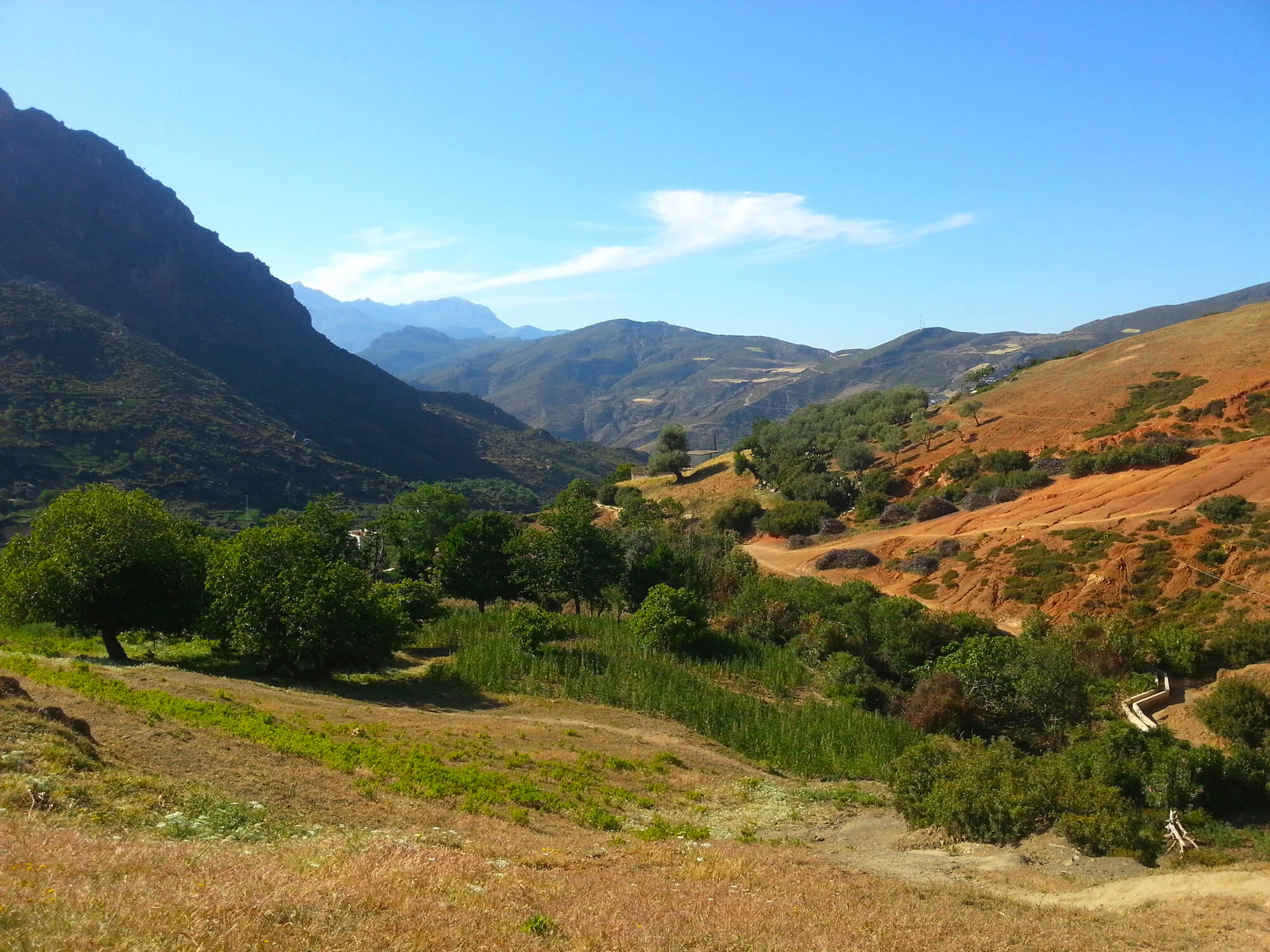
Beyond Chefchaouen’s blue streets lies a landscape that feels wild, green, and quietly dramatic. The Rif Mountains surround the town and offer an inviting escape into nature for travelers who want to stretch their legs and experience a different side of Morocco. Trails range from gentle walks that begin near the edge of the medina to more demanding routes that venture deeper into the hills, rewarding hikers with sweeping views and moments of solitude.
Some paths can be accessed directly from town, while others require a short drive, opening the door to half-day or full-day hikes through forests, valleys, and rocky terrain. For those seeking a deeper adventure, extended treks lasting several days allow you to fully immerse yourself in the rhythm of mountain life. No matter the route you choose, hiking in the Rif Mountains offers a chance to reconnect with nature and appreciate the quieter beauty that surrounds Chefchaouen.
Visit Talassemtane National Park
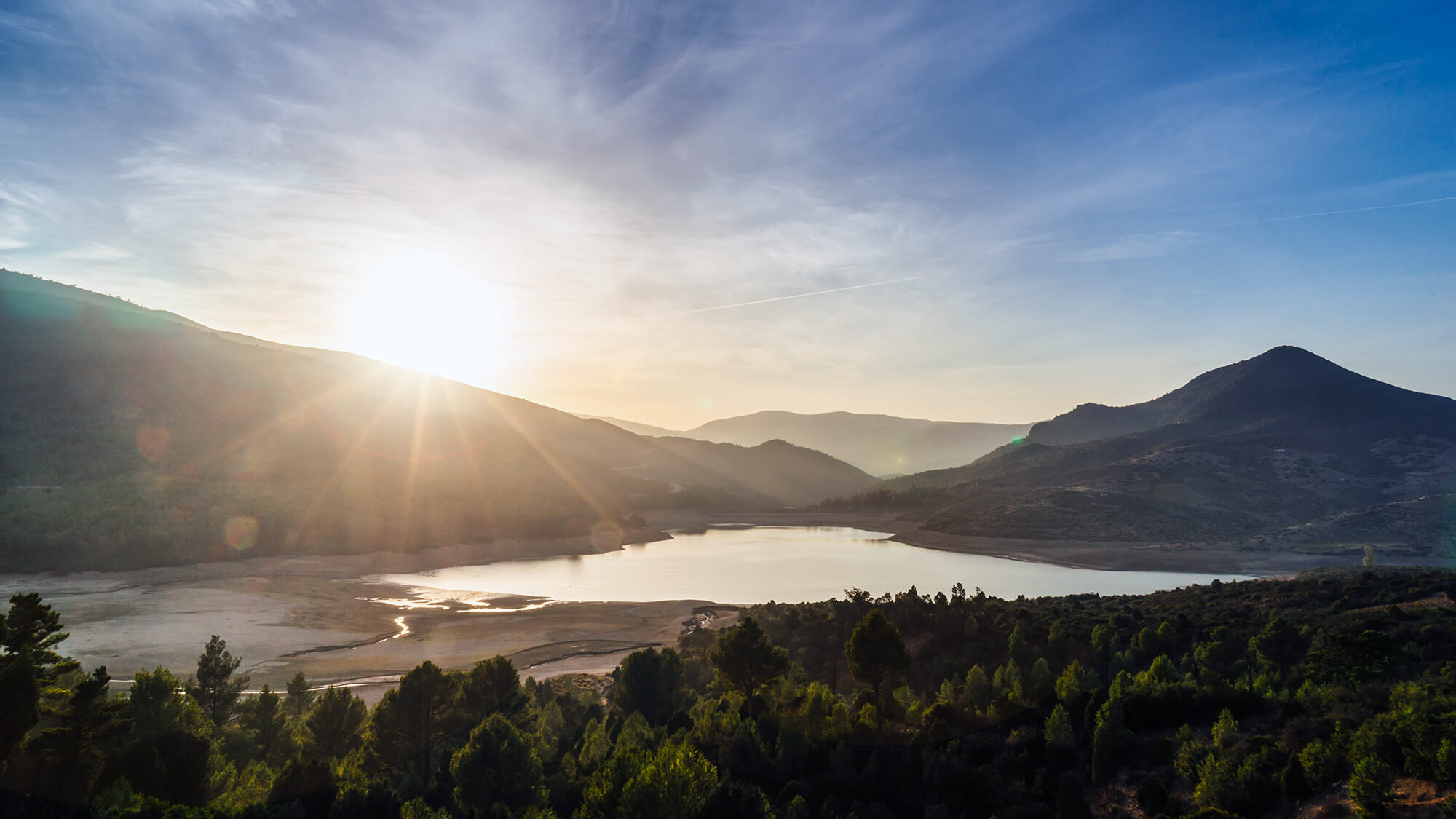
Just over an hour from Chefchaouen, Talassemtane National Park offers a striking change of scenery and a deeper immersion into the natural landscapes of northern Morocco. Established in 2004, the park was created to protect the country’s last remaining stands of endangered fir trees, along with forests of oak, cedar, and pine. The terrain feels wild and untouched, defined by limestone cliffs, dense woodland, hidden caves, and clear mountain streams. Spending time here reveals a quieter, more rugged side of Morocco that contrasts beautifully with Chefchaouen’s painted streets.
The park is a favorite destination for hikers and nature lovers, with trails that lead through dramatic scenery and offer frequent moments of discovery. Wildlife sightings are possible, and the changing light throughout the day brings out the textures and colors of the landscape. Whether you visit for a few hours or spend an entire day exploring, Talassemtane leaves a lasting impression through its sense of scale, silence, and raw beauty.
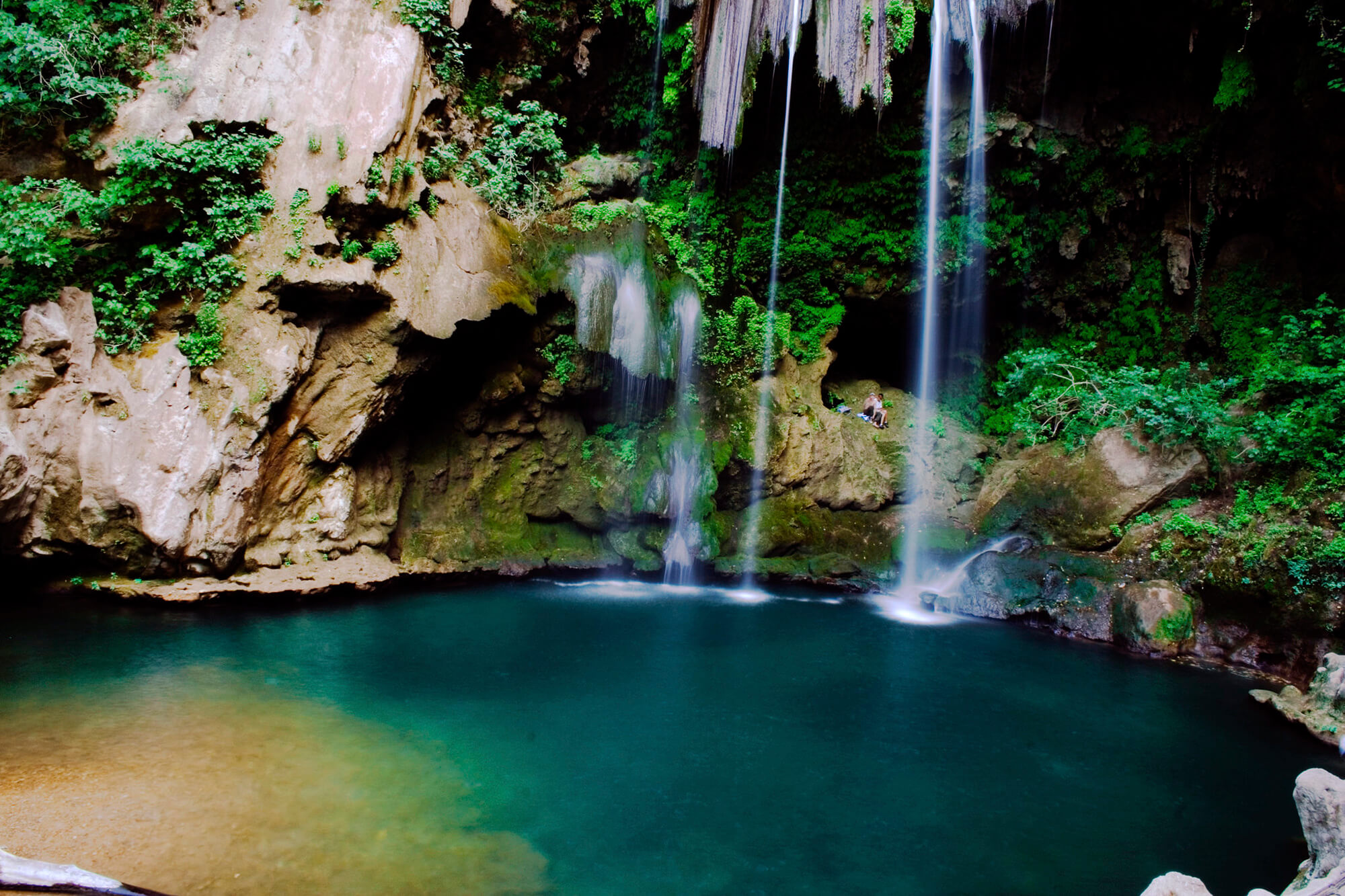
Two of the most well-known hiking routes lie within the park near the village of Akchour. The trail to the Cascades d’Akchour winds through shaded forest paths and follows a clear, well-defined route alongside the river. The first waterfall appears after about an hour of walking and, while modest in size, feels refreshingly secluded. Continuing farther leads to a much larger waterfall, where moss-covered rock spills into a clear pool below. Visiting after the rainy season in early spring or late autumn offers the most dramatic water flow. A small cave behind the cascade provides a quiet place to pause and listen to the sound of rushing water.
Another unforgettable highlight is God’s Bridge, a massive natural rock arch that spans a deep gorge above the Oued Farda River. Reaching it takes roughly forty-five minutes on foot, descending into a canyon before the formation reveals itself overhead. Rising around twenty-five meters above the river, the bridge feels both powerful and serene, framed by lush greenery. Visitors can wade through the water below, navigate the rocks along the riverbank, or simply sit and take in the scale of the landscape. It is one of those places where time seems to slow, leaving a strong sense of connection to nature.
Chefchaouen offers a rare balance between town and countryside, where gentle mountain landscapes meet a medina painted in soothing shades of blue. Its relaxed pace and bohemian spirit make it feel less hurried than many of Morocco’s larger destinations, inviting visitors to slow down and explore without an agenda. Whether you spend your time wandering quiet streets, sitting in a sunlit plaza, or hiking through the surrounding Rif Mountains, the town encourages a more mindful way of traveling.
Spending a few days in Chefchaouen allows you to experience another side of the culture of Morocco, one shaped by nature, tradition, and a strong sense of community. It is a place that inspires reflection as much as exploration, leaving visitors refreshed, inspired, and quietly changed by its beauty.
🧭 FAQs
Q: Why is Chefchaouen painted blue?
The tradition dates back to the late 15th century when Jewish refugees painted their homes blue, a color associated with spirituality and the heavens. Over time, the entire town adopted the practice, creating the iconic look seen today.
Q: How many days do you need in Chefchaouen?
Two to three days is ideal. This allows time to explore the medina, enjoy viewpoints, relax in plazas, and take at least one hike or day trip into the surrounding nature.
Q: Is Chefchaouen worth visiting beyond photography?
Yes. While photography is a major draw, Chefchaouen also offers cultural sites, local markets, scenic hikes, and a relaxed atmosphere that makes it rewarding even without a camera.
Q: Is Chefchaouen safe for travelers?
Chefchaouen is considered very safe and is known for its calm, welcoming environment. As with any destination, basic awareness is advised, but most visitors feel comfortable exploring on foot.
Q: Can you hike directly from Chefchaouen?
Yes. Several trails begin near the edge of town and lead into the Rif Mountains, making it easy to combine sightseeing with outdoor exploration without traveling far.
Q: What is the best time of year to visit Chefchaouen?
Spring and autumn offer the most pleasant weather for walking and hiking. Summers can be warm, while winter evenings are cooler but still enjoyable.
Q: Are day trips from Chefchaouen worth it?
Absolutely. Talassemtane National Park and the Akchour waterfalls are popular day trips that showcase a greener, more rugged side of northern Morocco.
Q: Can non-Muslims enter mosques in Chefchaouen?
Most mosques, including the Grand Mosque, are not open to non-Muslims. However, their exterior architecture and surrounding areas are still worth visiting.
Q: Is Chefchaouen suitable for families or older travelers?
Yes. The town’s slower pace, walkable medina, and relaxed atmosphere make it well suited for families and older travelers, though some streets are steep.
Q: How do you get to Chefchaouen?
Chefchaouen can be reached by bus, private transfer, or guided tour from cities like Tangier, Tetouan, or Fes. Roads are scenic but winding through the mountains.
—
Editor’s Note: This post was originally published in 2021 and updated in January 2026 for accuracy and freshness.
OTHER POSTS