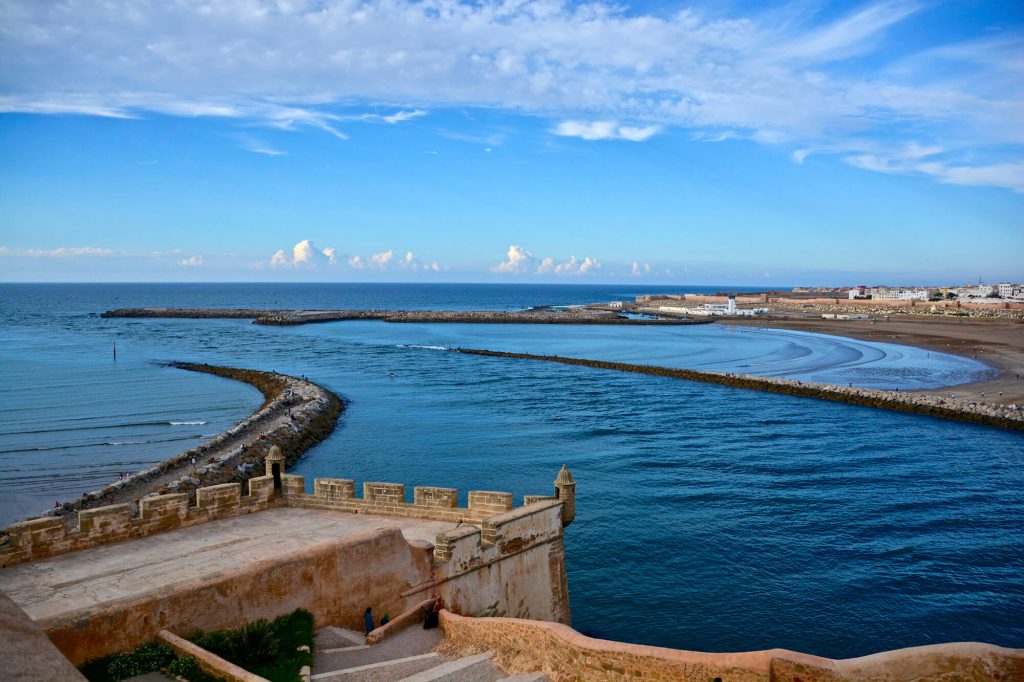
Morocco’s capital city is steeped in history, full of cultural treasures and impressive green spaces. Not yet overrun by tourism, Rabat maintains its big city vibe without the crowds and plenty of sites to discover.
Rabat, Morocco’s capital city, sits along the Atlantic coast at the mouth of the Bou Regreg River. One of Morocco’s four imperial cities, Rabat was founded by the Almohads in 1146 and today serves as the primary residence of King Mohammed VI.
Beyond its role as the nation’s administrative center—home to government institutions, foreign embassies, and the royal palace—Rabat offers travelers a rich blend of history, culture, and coastal charm. Visitors can wander through the ancient medina, stroll along the Atlantic beaches, explore centuries-old landmarks, and enjoy lively events such as the Mawazine Festival. Best of all, Rabat remains relatively untouched by mass tourism, allowing you to experience Moroccan culture at a relaxed pace without the crowds.
Hassan Tower
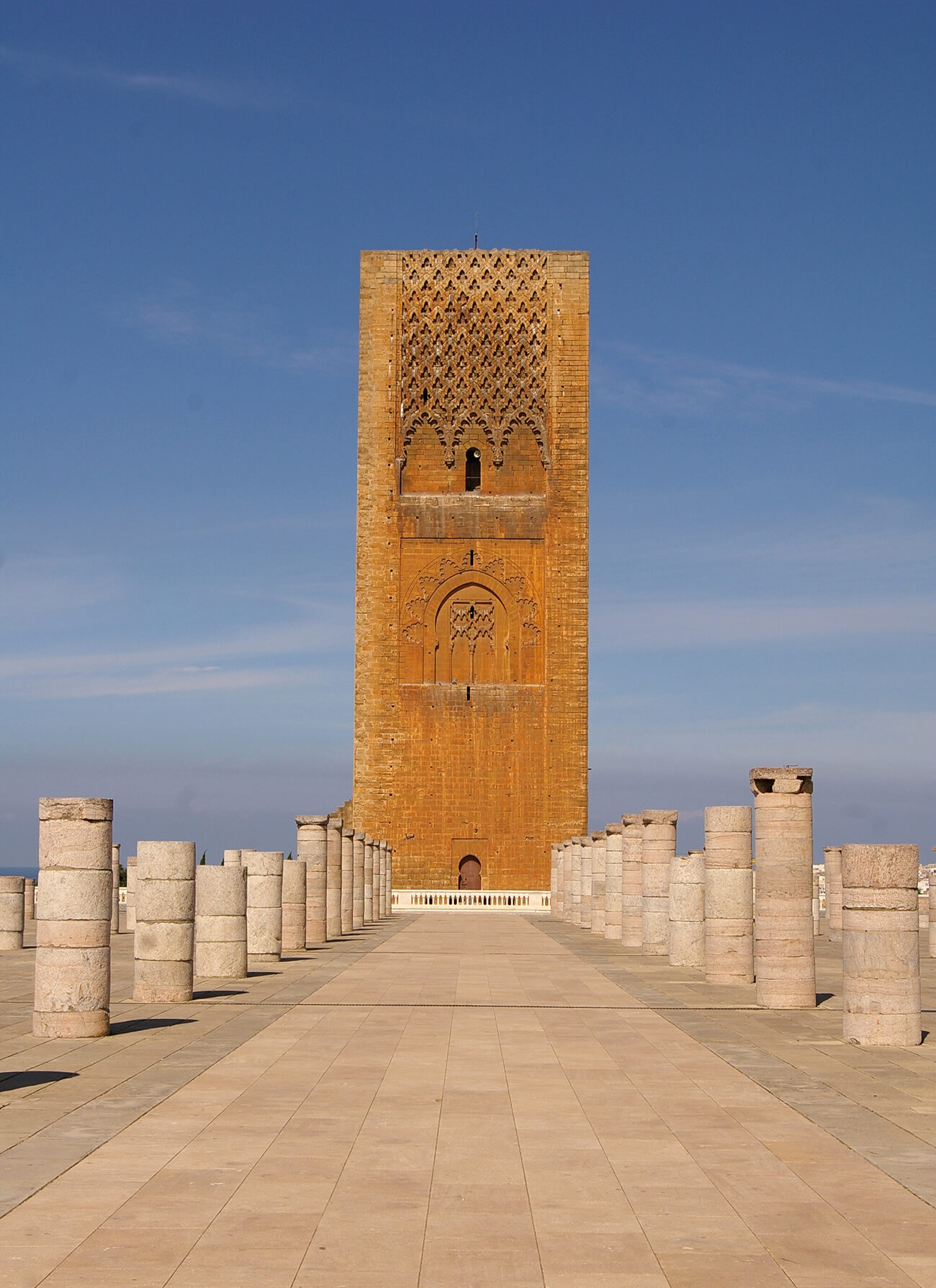
Rising high above Rabat’s historic skyline, Hassan Tower is one of the city’s most iconic landmarks. This monumental minaret was originally intended to be part of what would have been the world’s largest mosque, designed to reach a height of about 86 meters (260 ft). Construction was commissioned by Abu Yusuf Yaqub al-Mansour, the third caliph of the Almohad dynasty, and began in the late 12th century.
However, following the ruler’s death in 1199, construction came to an abrupt halt and the ambitious mosque project was never completed. As a result, the tower stands today at about 44 meters, surrounded by rows of unfinished columns that once formed the grand mosque’s foundations.
Built from warm red sandstone, Hassan Tower remains one of Rabat’s most significant historical monuments. The structure symbolizes the architectural vision and power of the Almohad Empire and continues to dominate the surrounding esplanade, offering visitors a striking glimpse into Morocco’s medieval past.
Chellah
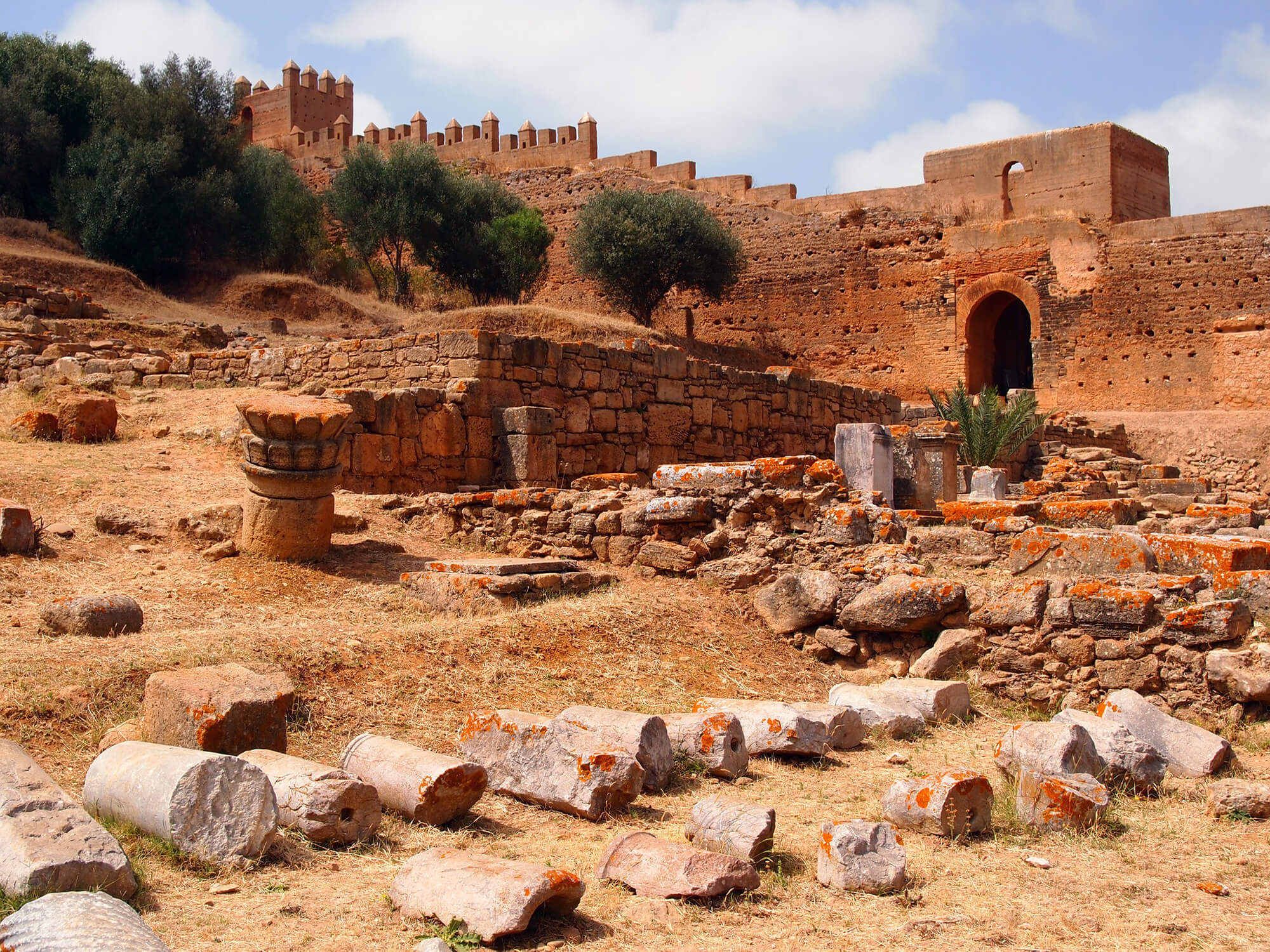
Just a few kilometers from the Atlantic coast, Chellah is one of Rabat’s most fascinating historical sites. This ancient necropolis sits behind impressive red sandstone walls overlooking the Oued Bou Regreg River, offering visitors a peaceful setting where centuries of history unfold. Walking through Chellah reveals layers of civilizations that once flourished here, including the Phoenicians, Carthaginians, Romans, and later the Arabs.
Originally established as a Phoenician trading post, the site later developed into the Roman city of Sala Colonia. Over time, earthquakes and abandonment left many of the Roman structures in ruins. In the 14th century, the Marinid dynasty transformed the area into a royal necropolis, constructing mosques, a madrassa, a hammam, and a mausoleum that holds the tombs of the sultan and members of his family.
Today, Chellah is both an archaeological treasure and a tranquil garden filled with storks nesting among the ruins. One of its most distinctive features is the small eel pond, tied to a long-standing local belief that eels possess protective and fertility powers. According to tradition, women feed the eels hard-boiled eggs in the hope of conceiving.
Recognized for its cultural and historical importance, Chellah is included within Rabat’s UNESCO World Heritage designation, highlighting the site’s remarkable blend of ancient Roman and medieval Islamic heritage.
Kasbah des Oudaias
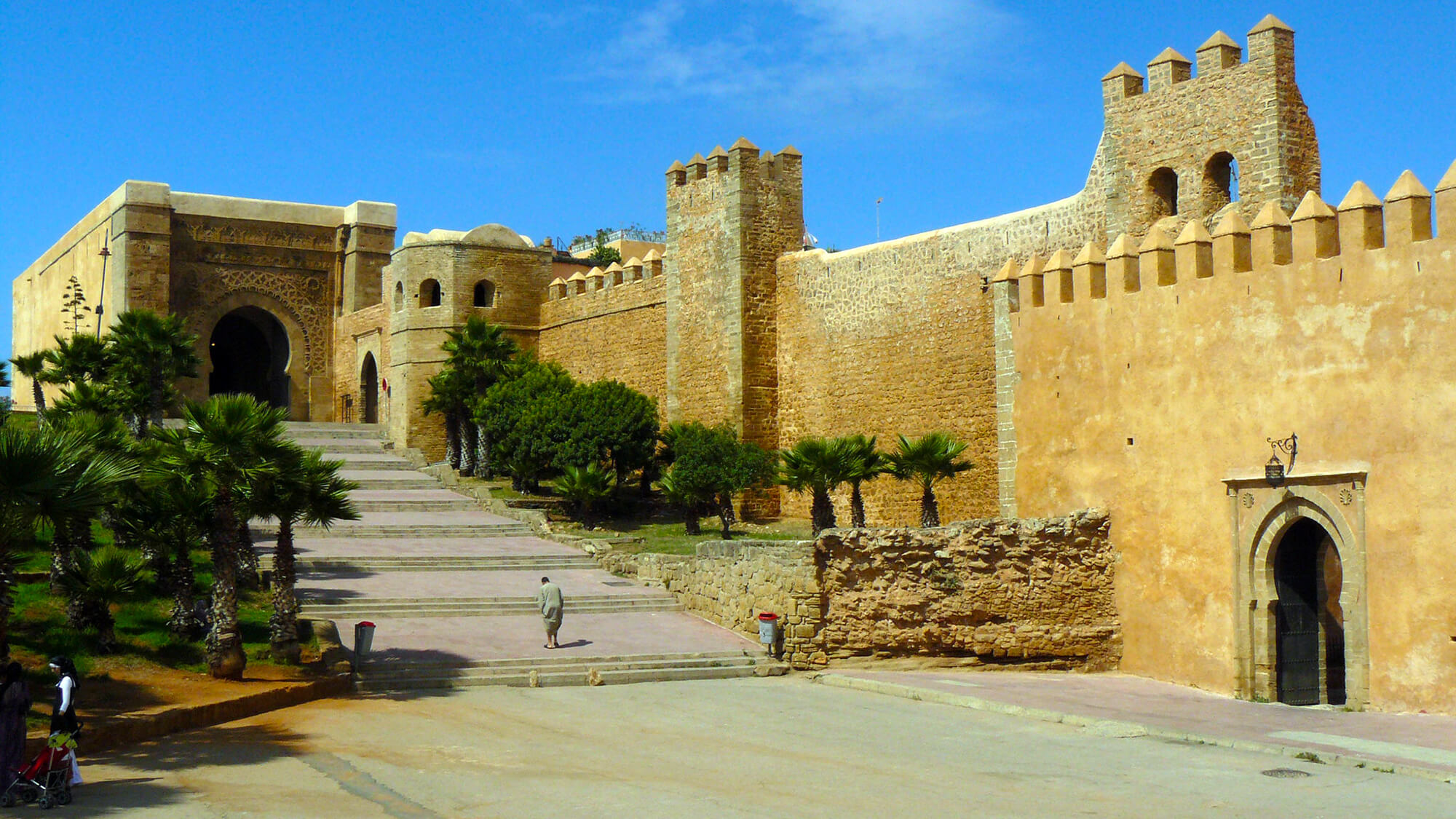
Perched at the mouth of the Bou Regreg River, the Kasbah des Oudaias is one of Rabat’s most picturesque and historic districts. Visitors can wander through its quiet maze of narrow streets lined with charming blue-and-white houses while enjoying sweeping views of the river and the Atlantic Ocean. This fortified quarter represents the oldest part of Rabat and is home to the city’s oldest mosque, the Kasbah Mosque, which dates back to the 11th century.
The main entrance to the kasbah is the impressive Bab Oudaia. This monumental gate welcomes visitors with intricate geometric arches, finely carved stone decorations, and Kufic inscriptions that reflect the architectural elegance of the Almohad period. From here, you can explore the former palace grounds and climb the ramparts for panoramic views of the Bou Regreg River and the Atlantic coastline.
Inside the kasbah, the Oudayas Museum offers a glimpse into Morocco’s rich artistic heritage, showcasing Amazigh (Berber) carpets, musical instruments, pottery, jewelry, and traditional clothing. Nearby, the peaceful Andalusian Gardens provide a refreshing retreat. Designed during the early 20th century under French rule, these gardens feature fragrant flowers and fruit trees such as lemon, orange, and banana, creating a serene oasis within the historic fortress.
Rabat Archaeology Museum
The Rabat Archaeology Museum houses one of Morocco’s most important collections of ancient artifacts and historical treasures. As the country’s leading archaeological museum, it offers visitors a fascinating journey through Morocco’s past while revealing valuable facts about Morocco’s culture and early civilizations.
Inside the museum, exhibits trace the region’s history from the Paleolithic and Neolithic periods through the Pre-Roman and Roman eras. Visitors can explore a wide range of relics, including tools, pottery, jewelry, and sculptures that illustrate how ancient societies once lived in North Africa.
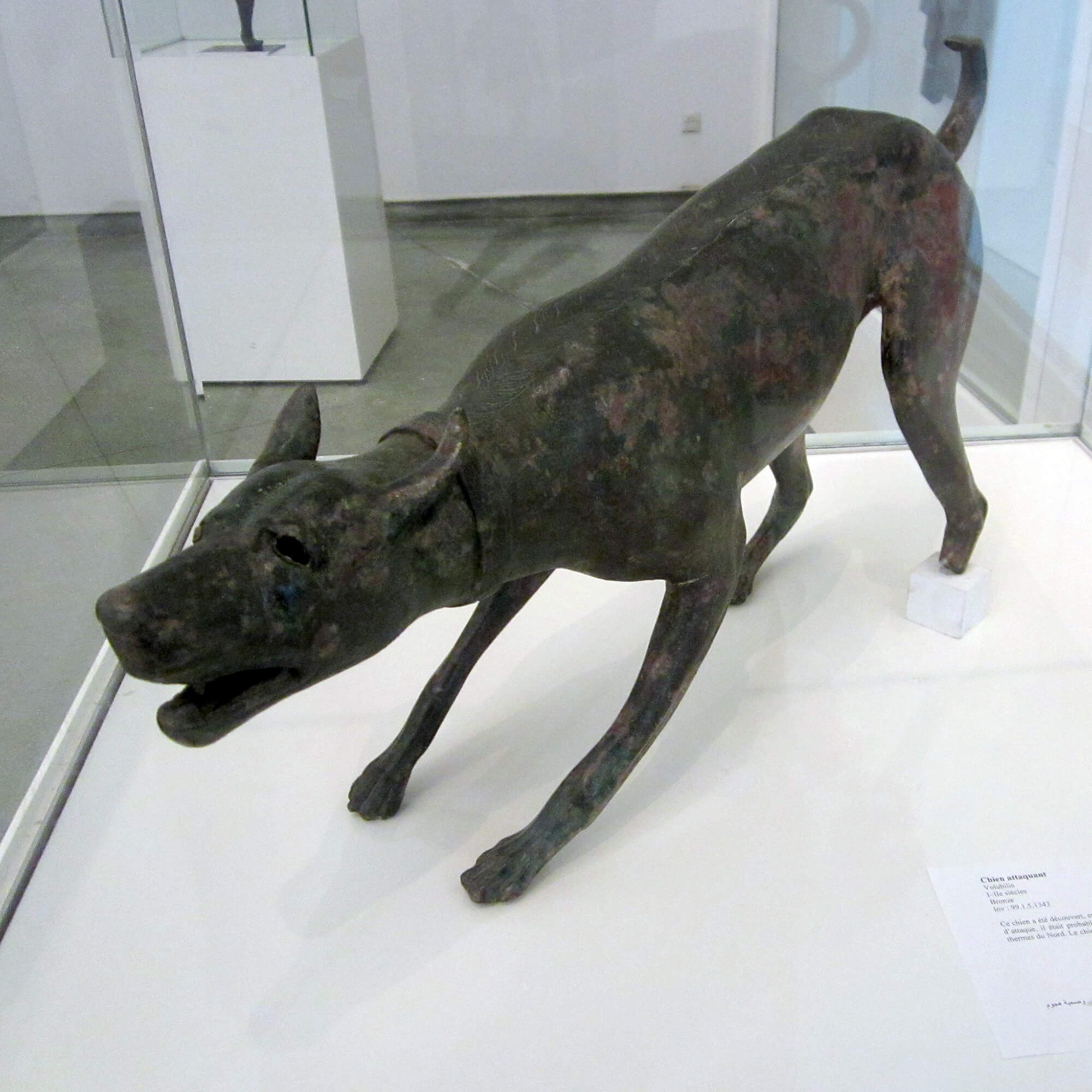
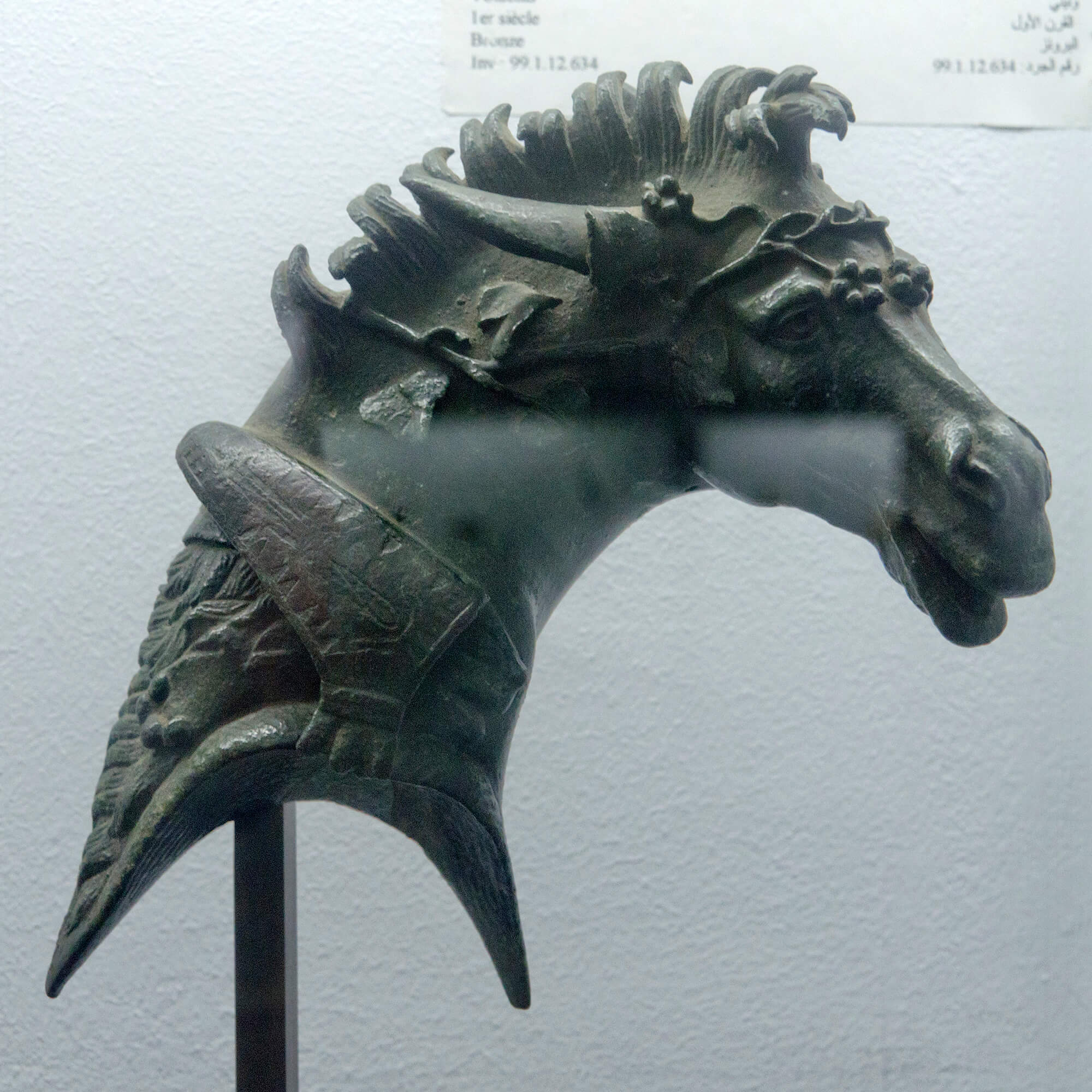
One of the museum’s highlights is its remarkable collection of bronze statues discovered at the nearby Roman city of Volubilis. These beautifully preserved works provide a rare glimpse into Roman artistic influence in Morocco and are considered among the finest examples of Roman bronze sculpture found in the region.
Avenue Mohammed V
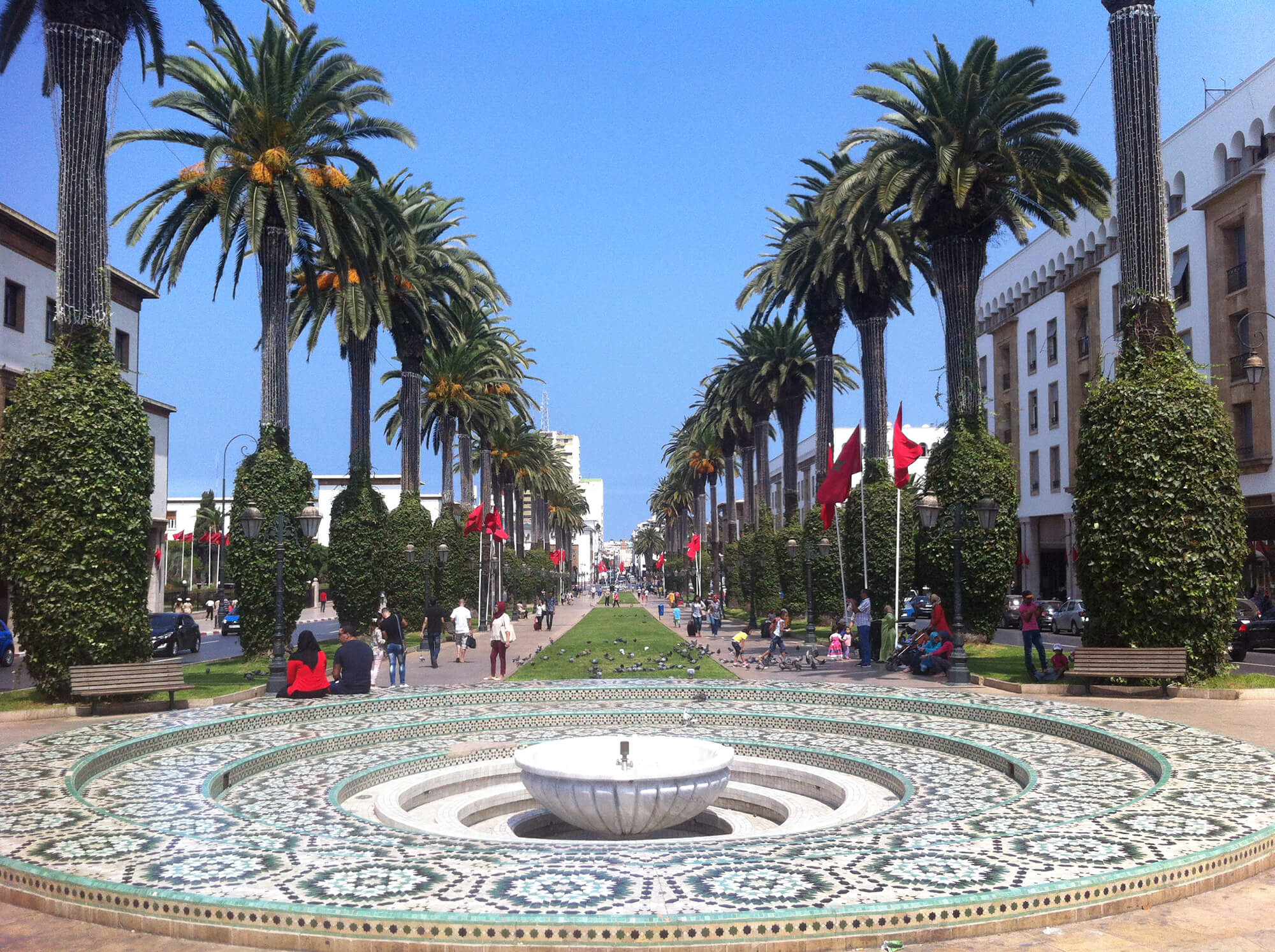
A walk along Avenue Mohammed V offers a glimpse into the elegant heart of modern Rabat. As the city’s main thoroughfare, this lively boulevard is lined with impressive architecture, palm trees, and important civic buildings that reflect the capital’s blend of tradition and modernity.
Among the notable landmarks along the avenue is the Assouna Mosque, an 18th-century structure built during the Alaouite dynasty. Its graceful design and refined details make it one of the avenue’s most striking religious monuments.
Further along, visitors will encounter historic buildings such as the renowned Balima Hotel and Rabat’s central Post Office. Both stand as fine examples of early 20th-century architecture and contribute to the avenue’s sophisticated atmosphere. Strolling here allows travelers to experience Rabat’s vibrant urban life while admiring some of the city’s most distinctive architectural sites.
The Sidi Bouknadel Gardens (Jardins Exotiques de Bouknadel)
Located about 15 km north of Rabat, the Sidi Bouknadel Gardens—also known as the Jardins Exotiques de Bouknadel—offer a peaceful escape from the city into a lush botanical paradise. These beautifully landscaped gardens feature a variety of themed environments inspired by different parts of the world, including Chinese, Japanese, and Andalusian garden styles.
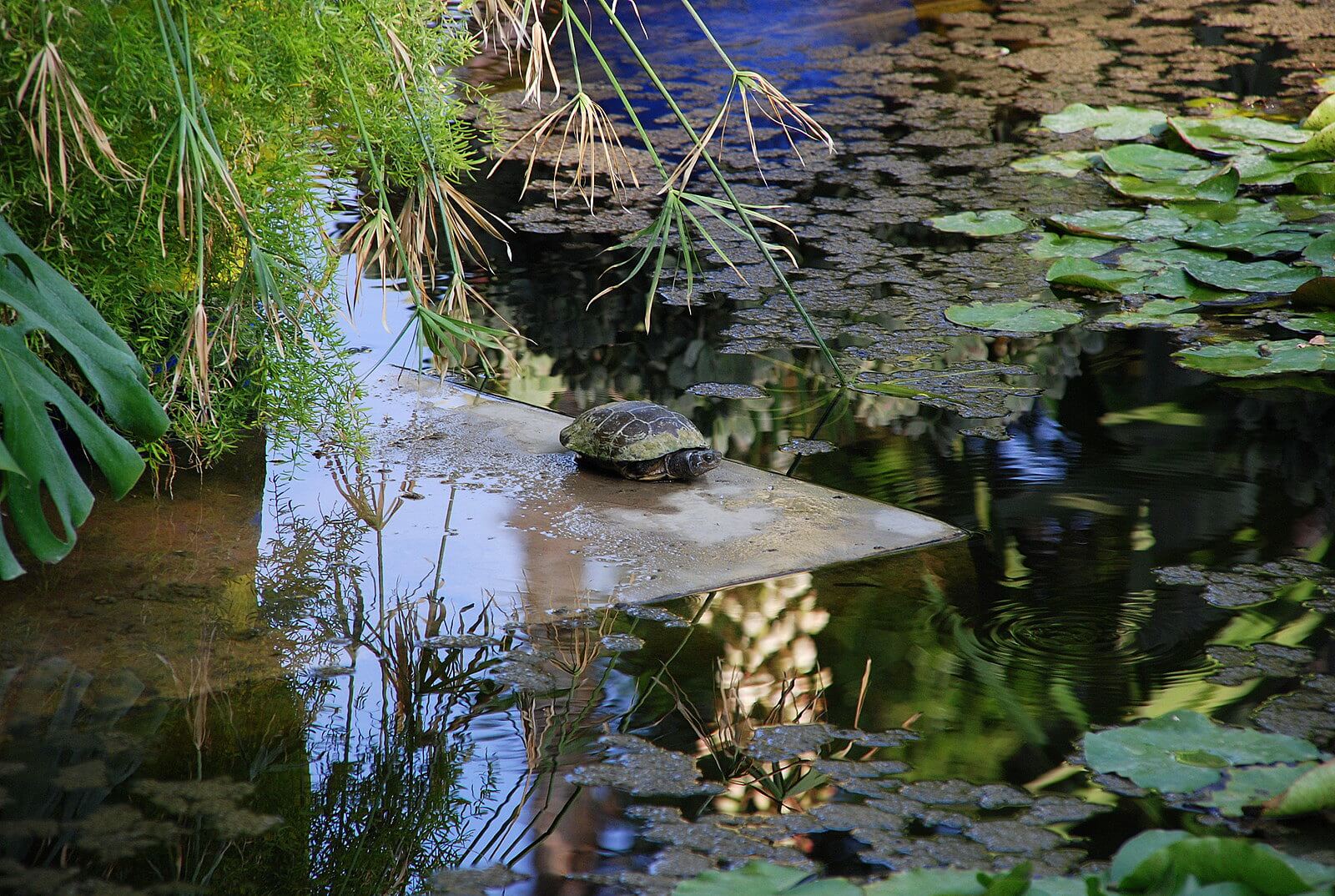
Spread across a vast natural setting, the gardens are home to more than 1,000 species of trees and plants, many of them rare varieties collected from across the globe. Visitors can wander along shaded pathways and discover an enchanting landscape filled with waterfalls, fountains, ponds, small bridges, and tranquil water features.
The gardens were created by French horticulturist Marcel François, who spent years traveling the world gathering unique plant species. His vision was to create a place where nature and cultural garden traditions could coexist. The gardens officially opened to the public in 1961 and remain one of the region’s most charming natural attractions. An aviary and several themed sections further enrich the experience, making it an ideal destination for nature lovers and families alike.
https://www.jardinsexotiques.com/
Mohammed VI Museum of Modern and Contemporary Art
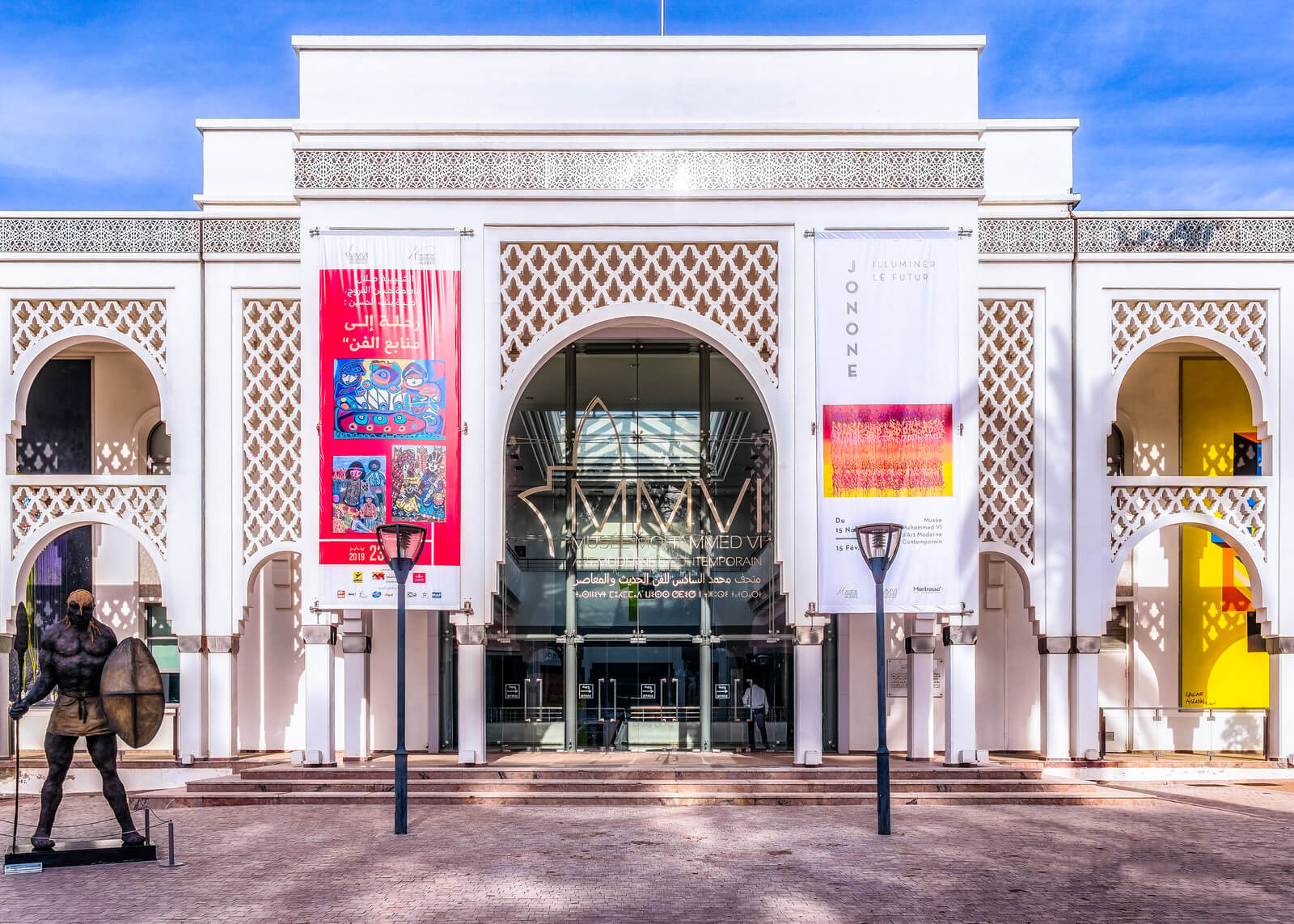
Opened in 2014, the Mohammed VI Museum of Modern and Contemporary Art is Morocco’s first major museum dedicated entirely to modern and contemporary art. Located in the heart of Rabat, the museum highlights the evolution of Moroccan artistic expression while also presenting works from the international art scene.
The collection features artworks by more than 200 Moroccan artists, spanning movements from Impressionism to Postmodernism. Visitors can explore an impressive permanent collection alongside rotating exhibitions that showcase both established and emerging international artists. Through painting, sculpture, and mixed media, the museum offers a compelling look into Morocco’s vibrant creative landscape.
For travelers interested in culture and artistic heritage, the museum provides a deeper understanding of the country’s modern cultural identity and the dynamic voices shaping Morocco’s contemporary art world.
Salé
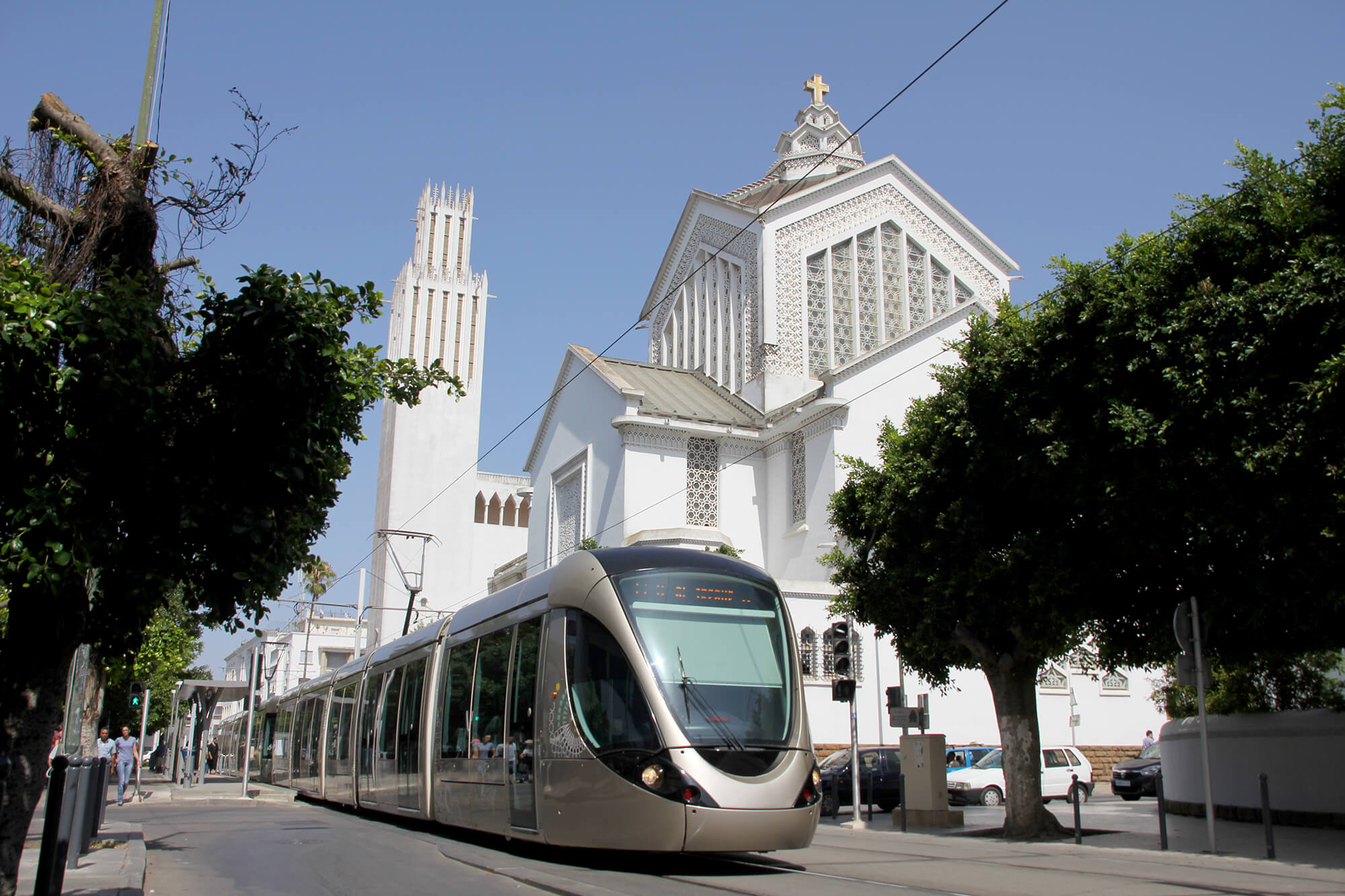
Just across the Bou Regreg River from Rabat lies the historic city of Salé, a quieter and more traditional counterpart to the capital. Easily reached by tramway or a short boat ride, Salé offers visitors a glimpse into everyday Moroccan life away from the bustle of Rabat.
One of the city’s highlights is the Abu Hassan Medersa, a religious and scientific school built during the Marinid dynasty in the 14th century. The structure is admired for its exquisite craftsmanship, including finely carved cedarwood, intricate plasterwork, and vibrant zellige tile mosaics.
From the upper levels of the building, visitors can enjoy sweeping views across the city and the river toward Rabat. While exploring Salé, you may also encounter local woodworking workshops where skilled artisans continue the long-standing traditions of Moroccan craftsmanship, creating beautifully detailed decorative pieces.
National Museum of Photography
Located inside the restored 19th-century Fort Rottembourg, also known as Borj el Kebir, the National Museum of Photography is Morocco’s first museum devoted entirely to the photographic arts. The museum opened in January 2020 and represents an important step in celebrating and preserving Morocco’s visual storytelling traditions.
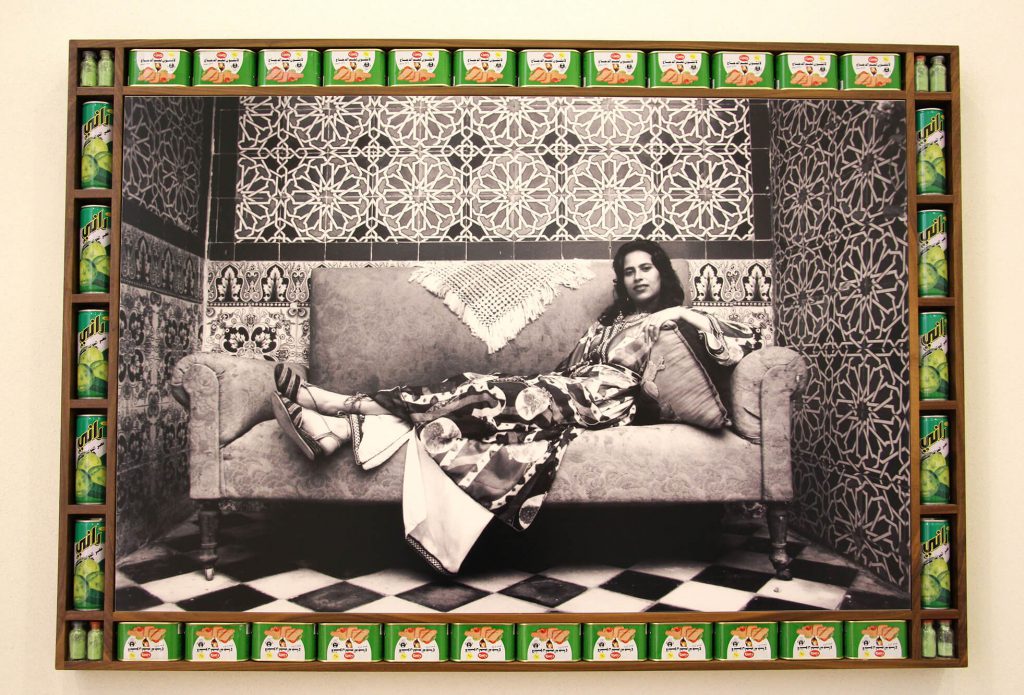
The collection highlights works by Moroccan photographers, both established and emerging, capturing diverse perspectives of the country’s landscapes, cultures, and everyday life. Through exhibitions and cultural programs, the museum aims to make photography accessible to a broad audience while supporting the development of new artistic talent in Morocco’s growing photography scene.
—
Rabat is a city where history, culture, and coastal charm come together in a relaxed and welcoming atmosphere. From ancient ruins and majestic monuments to peaceful gardens and vibrant cultural institutions, Morocco’s capital offers travelers a rich tapestry of experiences waiting to be discovered.
Whether you’re wandering through historic kasbahs, exploring world-class museums, or simply enjoying the calm rhythm of the Atlantic breeze, Rabat invites you to slow down and take in its unique character. Step into the rhythm of this elegant capital and uncover the many stories, traditions, and hidden gems that make Rabat such a rewarding destination to explore.
—
🧭 FAQs
Q: Where is Rabat located in Morocco?
Rabat is located on Morocco’s Atlantic coast at the mouth of the Bou Regreg River. It lies about 90 kilometers north of Casablanca and serves as the political and administrative capital of the country.
Q: Why is Rabat the capital of Morocco?
Rabat became Morocco’s capital during the French protectorate in 1912 due to its strategic coastal location and political importance. After Morocco gained independence in 1956, Rabat remained the capital and continues to house the royal palace and major government institutions.
Q: Is Rabat worth visiting?
Yes, Rabat is well worth visiting for its blend of history, culture, and relaxed atmosphere. The city features UNESCO-listed landmarks, beautiful gardens, historic kasbahs, and modern cultural institutions without the heavy crowds found in some other Moroccan cities.
Q: What are the top attractions in Rabat?
Some of Rabat’s most popular attractions include Hassan Tower, the Kasbah des Oudaias, Chellah, the Mohammed VI Museum of Modern and Contemporary Art, and the Rabat Archaeology Museum. The nearby town of Salé and the Bouknadel Exotic Gardens are also excellent places to explore.
Q: How many days should you spend in Rabat?
Two days is usually enough to explore Rabat’s main attractions, museums, and historic neighborhoods. Travelers who enjoy cultural sites and relaxing coastal walks may choose to stay longer.
Q: What is the best time to visit Rabat?
The best time to visit Rabat is during spring (March to May) and autumn (September to November) when temperatures are mild and pleasant. However, the city’s coastal climate makes it comfortable to visit throughout the year.
Q: Can you visit Rabat as a day trip?
Yes, Rabat can easily be visited as a day trip from Casablanca due to the short travel distance and convenient train connections. However, staying overnight allows visitors to enjoy the city’s calm atmosphere and cultural sites at a more relaxed pace.
Q: What is the Mawazine Festival in Rabat?
The Mawazine Festival is one of the largest music festivals in the world, held annually in Rabat. It features performances from international and Moroccan artists across multiple stages and attracts millions of visitors every year.
—
Editor’s Note: This post was originally published in 2021 and updated in April 2026 for accuracy and freshness.
OTHER POSTS