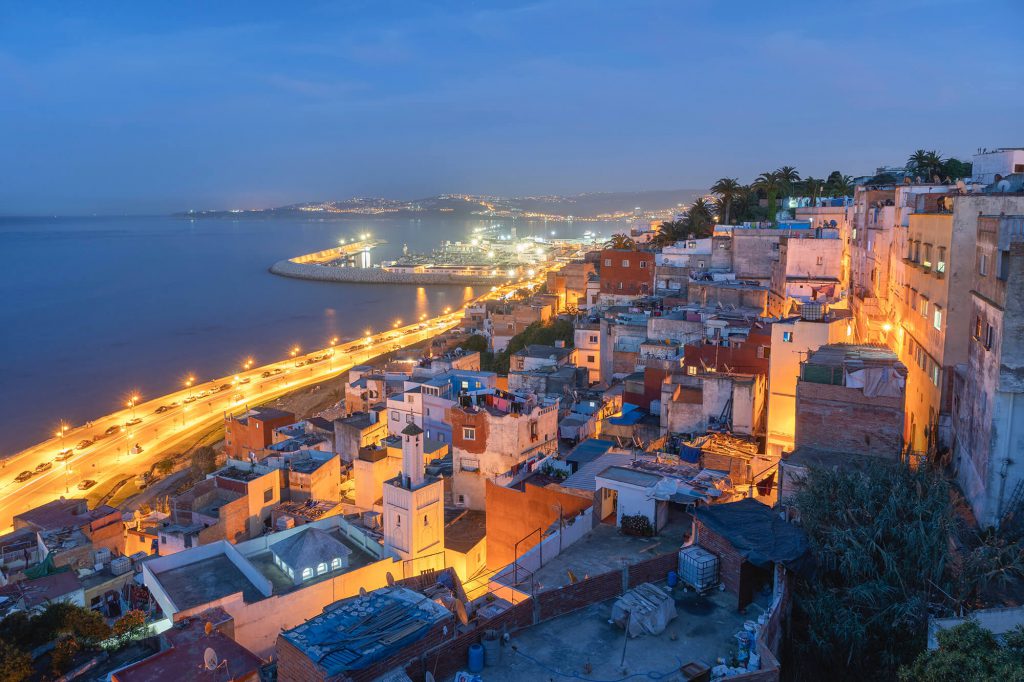
This port city has inspired artists and musicians for decades. Once a hotspot for international spies, Tangier still charms with its close proximity to Spain, historic marketplace, and modern art galleries.
Tangier is a captivating port city with a laid-back rhythm, perched along the Strait of Gibraltar where Africa and Europe feel within arm’s reach. Often described as the gateway between two continents, the city sits at the meeting point of the Atlantic Ocean and the Mediterranean Sea, giving it a character shaped as much by geography as by history. In less than an hour, travelers can cross from Spain by ferry and step into Tangier’s fragrant streets, where sea views, hillside neighborhoods, and creative energy unfold naturally.
The city radiates the culture of Morocco, yet it carries a distinctive identity all its own. Over the decades, Tangier has inspired writers, poets, musicians, and artists drawn to its light, openness, and sense of possibility. During its time as an international zone between 1923 and 1956, the city developed a reputation for intrigue, attracting spies, smugglers, and eccentric characters who thrived in its legal gray areas. While that era has long passed, Tangier still hums with an edgy, artistic spirit that continues to attract curious minds.
Today, the city feels both refreshed and grounded, with a restored medina, a lively cultural scene, and a calm harbor setting. Visitors can learn fascinating facts about Morocco culture while exploring a destination that blends history, creativity, and coastal beauty. It’s no surprise Tangier now features in many Morocco package tours, often paired with cities like Casablanca and Marrakech, offering a well-rounded introduction to the country’s diverse urban landscapes.
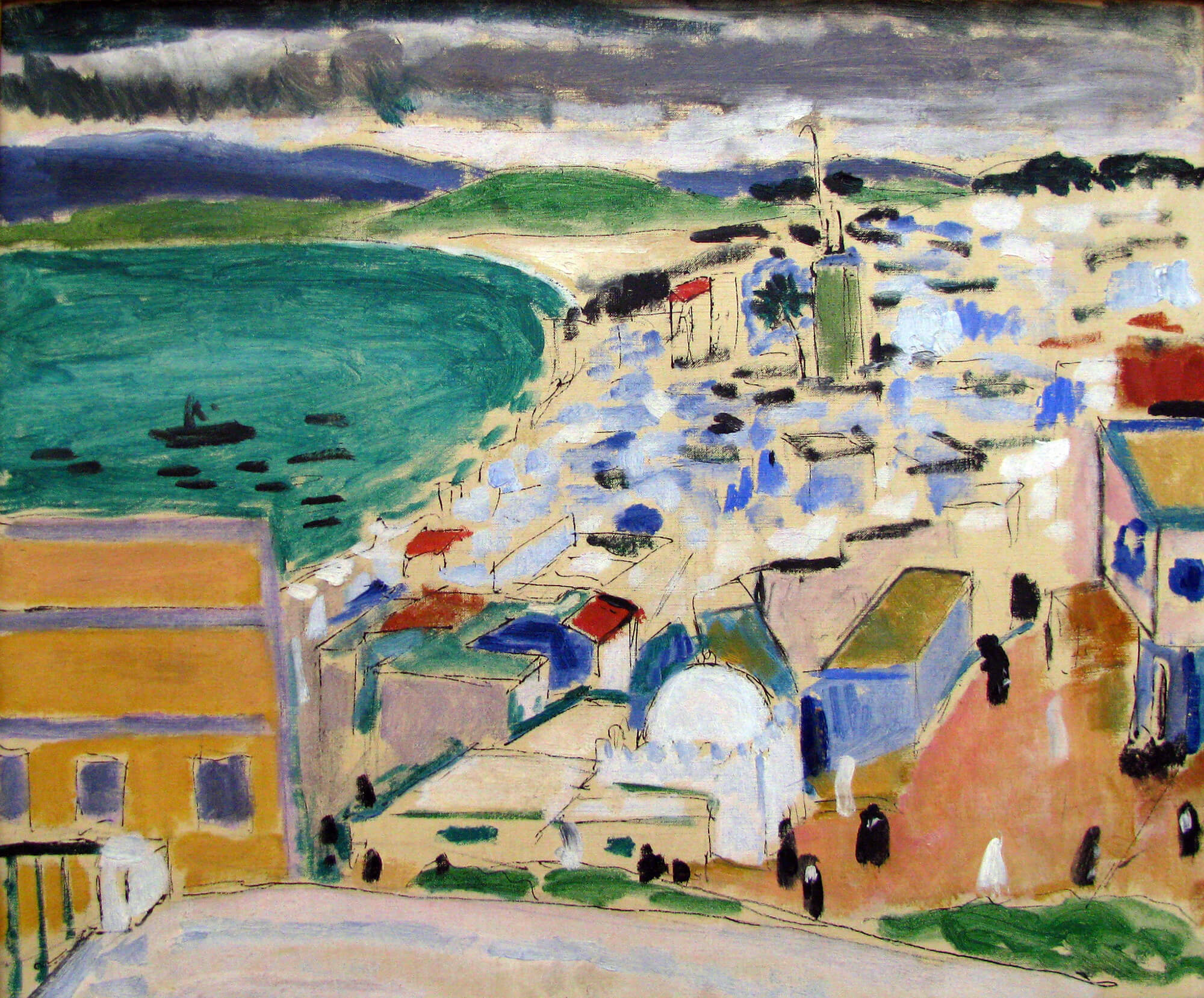
Kasbah Museum
Perched high above the city, the Kasbah Museum offers both a journey through history and sweeping views over Tangier’s coastline. Housed within a 13th-century fortress that once served as the Sultan’s palace, the complex feels quietly majestic, with thick stone walls and a peaceful courtyard garden at its center. Wandering through the grounds, it’s easy to imagine the strategic importance this location once held.
Inside, the museum’s archaeological collection traces the long and layered history of Tangier and the surrounding region. Artifacts span multiple civilizations, reflecting the city’s role as a crossroads of cultures for centuries. While exhibits are presented in French and Arabic, hiring a guide can greatly enhance the experience, helping bring context and clarity to the stories behind the displays. A visit here combines history, architecture, and atmosphere, making it one of Tangier’s most rewarding cultural stops.
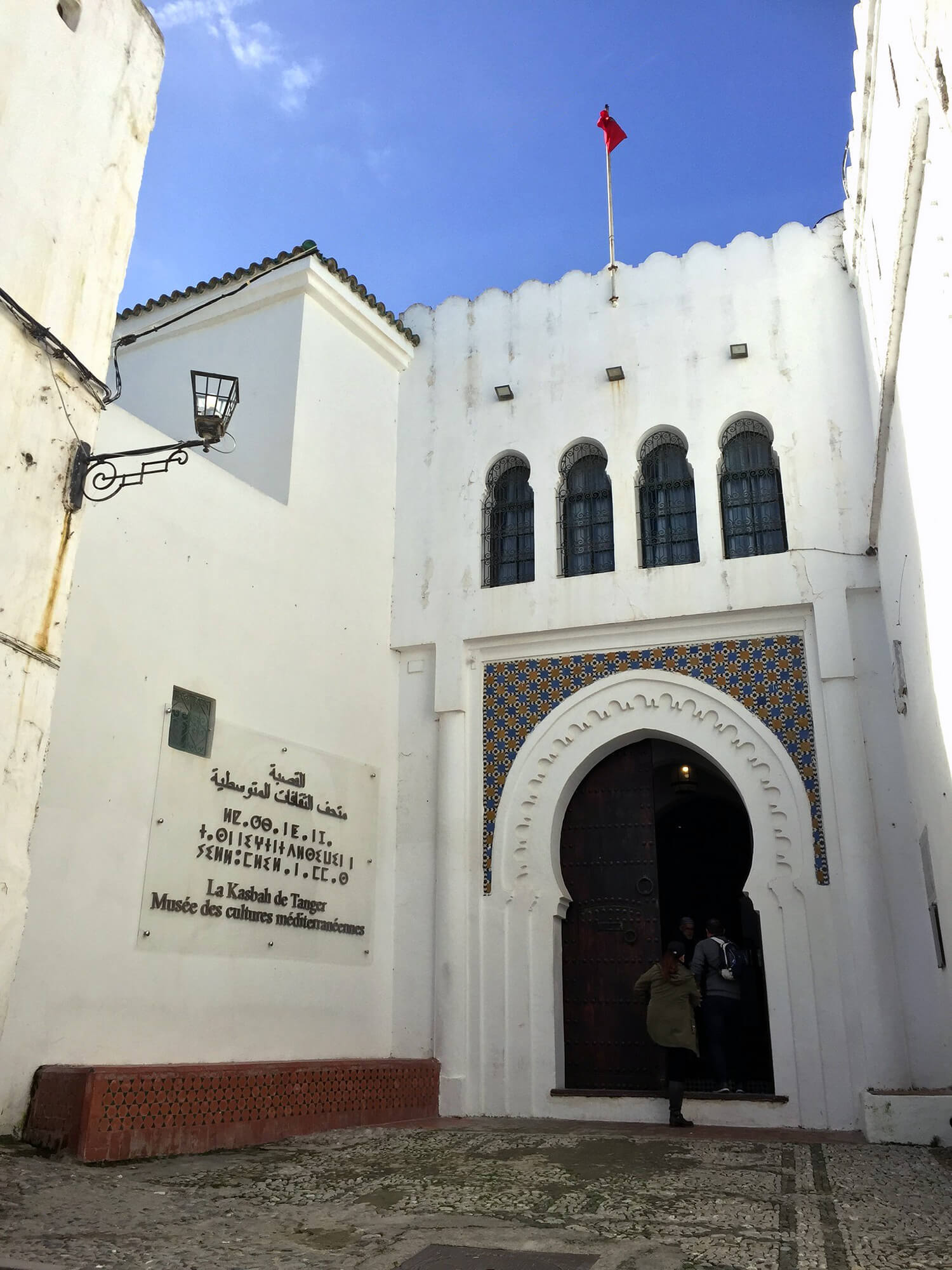
Dar El Makhzen
Once the summer residence of Sultan Moulay Ismail, Dar El Makhzen reflects the grandeur of Tangier’s royal past. Built in the 17th century, the palace remained in use by Moroccan sultans until the 1960s and now houses two complementary institutions: the Museum of Moroccan Arts and the Museum of Antiquities. Stepping inside reveals a world of craftsmanship and elegance, where history feels quietly preserved rather than staged.
The interiors are richly decorated with carved wooden ceilings, intricate arabesques, and traditional design details that showcase the artistry of the period. Two serene courtyards anchor the palace, each centered around marble fountains that invite visitors to pause and take in the surroundings. Walking through the halls, it’s easy to imagine the refined lifestyle once lived here, offering a glimpse into the enduring legacy of luxury and power in Morocco’s imperial history.
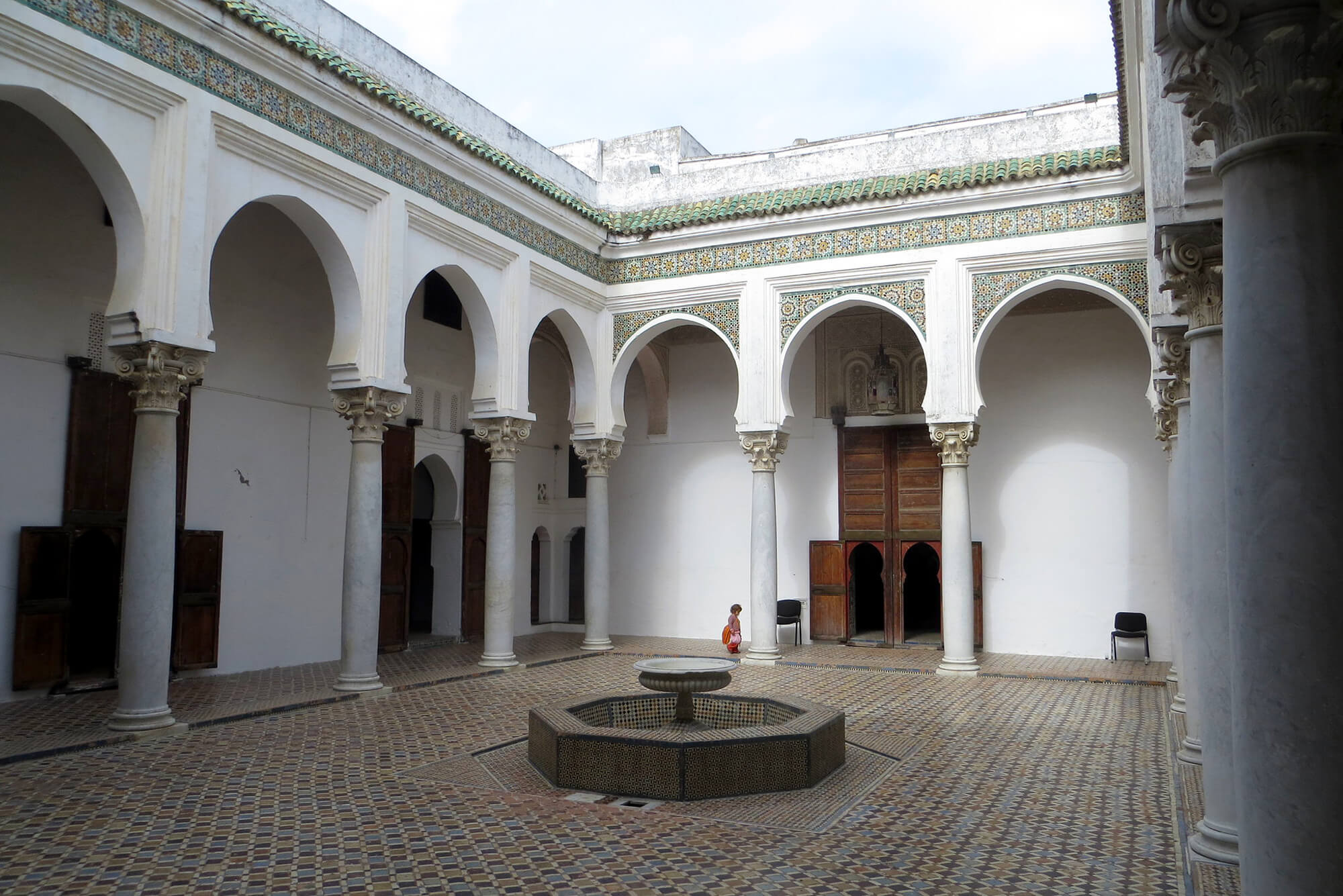
Cave of Hercules
Just outside Tangier lies one of the area’s most intriguing natural landmarks, the Cave of Hercules. Believed to have been known since around 4000 B.C., the site is steeped in myth and legend. According to local lore, Hercules once rested here after separating Africa from Europe, punching a hole through the rock to create a passage between the continents. Viewed from the inside, the opening famously resembles the shape of the African continent, adding to the cave’s mystique.
The cave is free to enter and makes for an easy and rewarding day trip from the city. Nearby, Cape Spartel offers dramatic views of the point where the Atlantic Ocean meets the Mediterranean Sea, a striking reminder of Tangier’s unique geography. Visitors can also stop by the historic lighthouse at Cape Spartel, built over 150 years ago and considered Morocco’s first modern lighthouse. Combining natural beauty, legend, and panoramic coastal scenery, the Cave of Hercules is a memorable escape from the city streets.
Day at the Beach
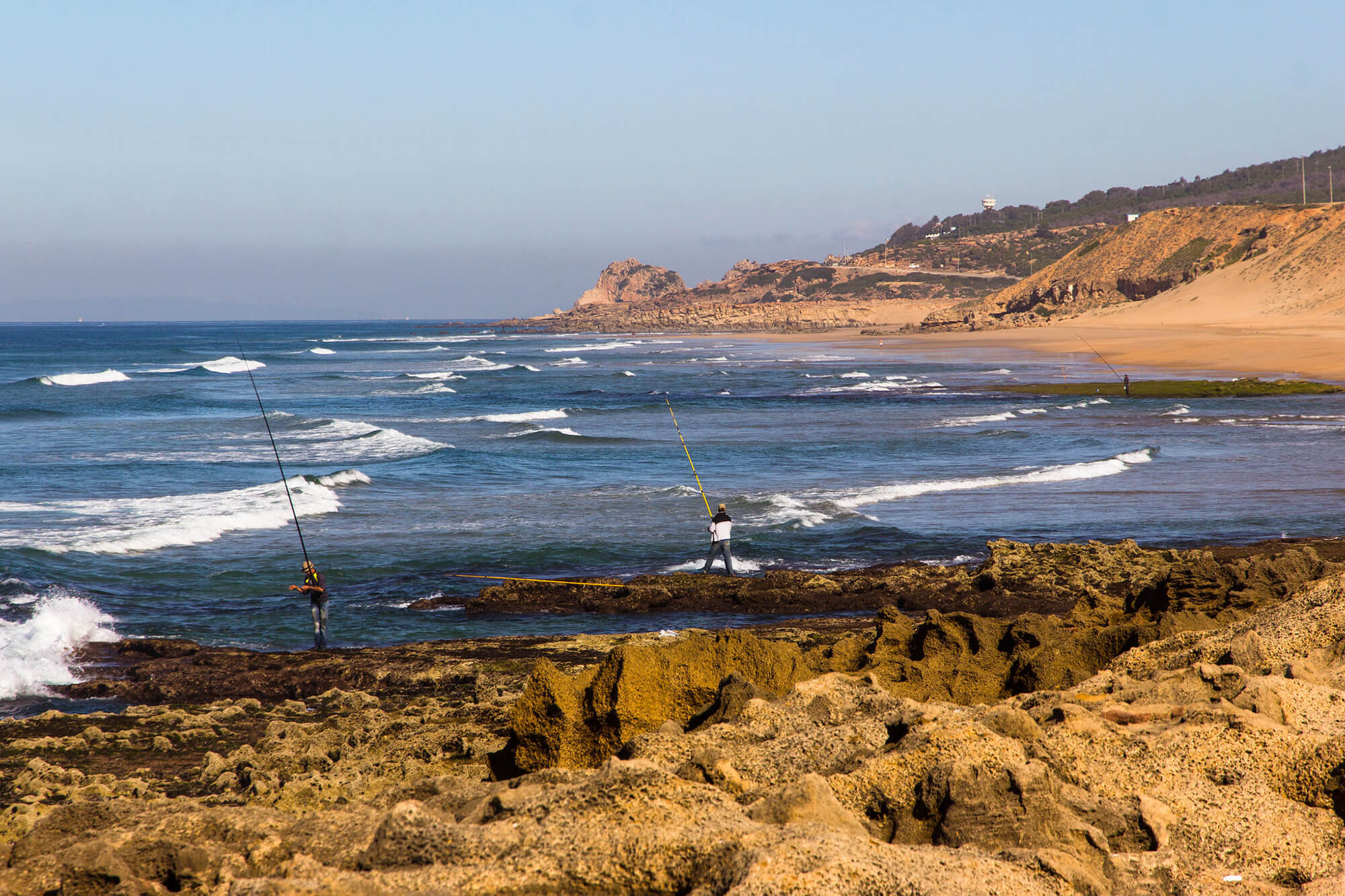
Tangier’s seaside setting makes it easy to escape the city without going far. Tangier Beach, located closest to the center, is ideal for a leisurely walk along the shore while watching ships pass through the Strait of Gibraltar. Although it’s not the best spot for swimming due to port activity, it offers a pleasant backdrop for a stroll and a glimpse of everyday coastal life.
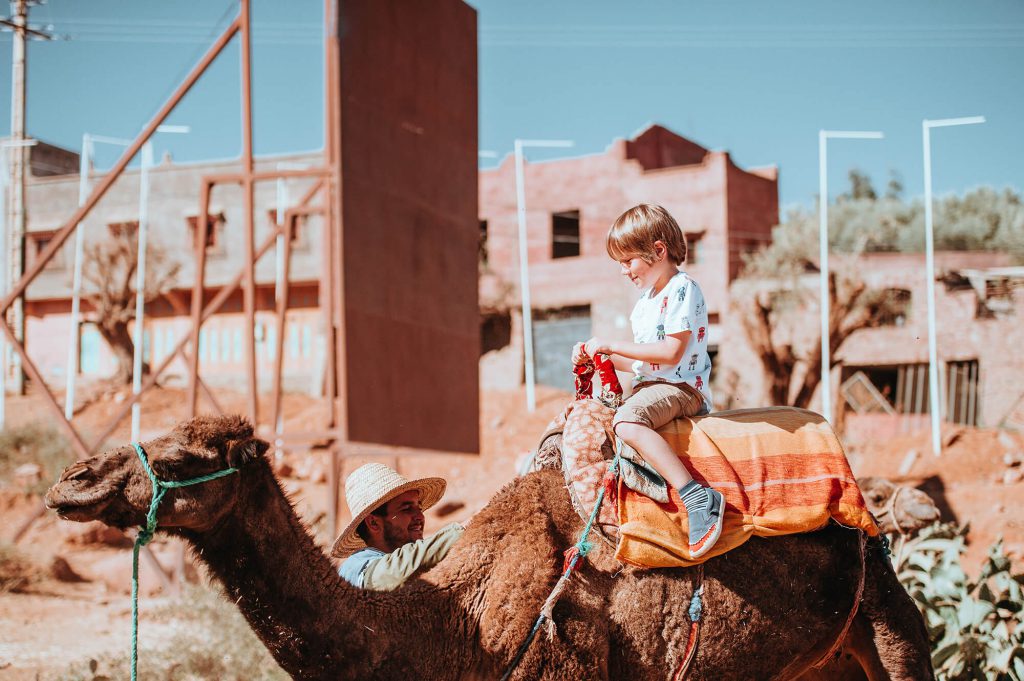
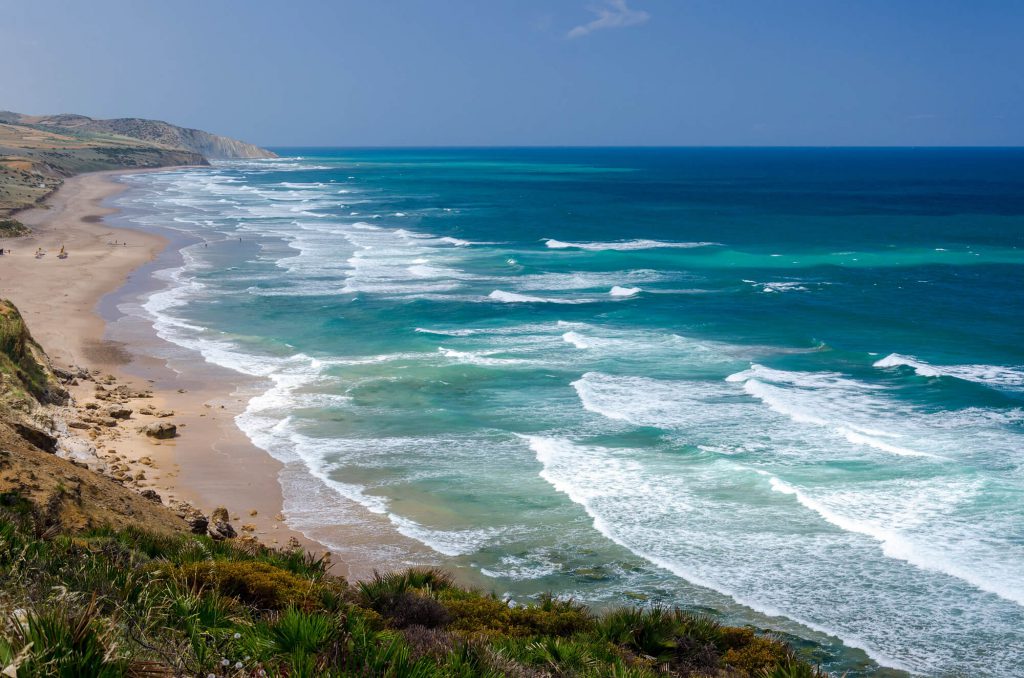
For a more immersive beach experience, head to Achakar Beach, about twenty kilometers outside the city. With clean sand and open Atlantic views, it’s well suited for swimming, relaxing, or taking a scenic camel tour along the shoreline. Sunset here is especially striking, as the sky fills with warm colors over the ocean. Those seeking a quieter Mediterranean escape can opt for Dalia Beach, where crystal-clear water meets rocky coves and pine forests, offering a peaceful alternative away from the crowds.
Marvel at the Grand Mosque
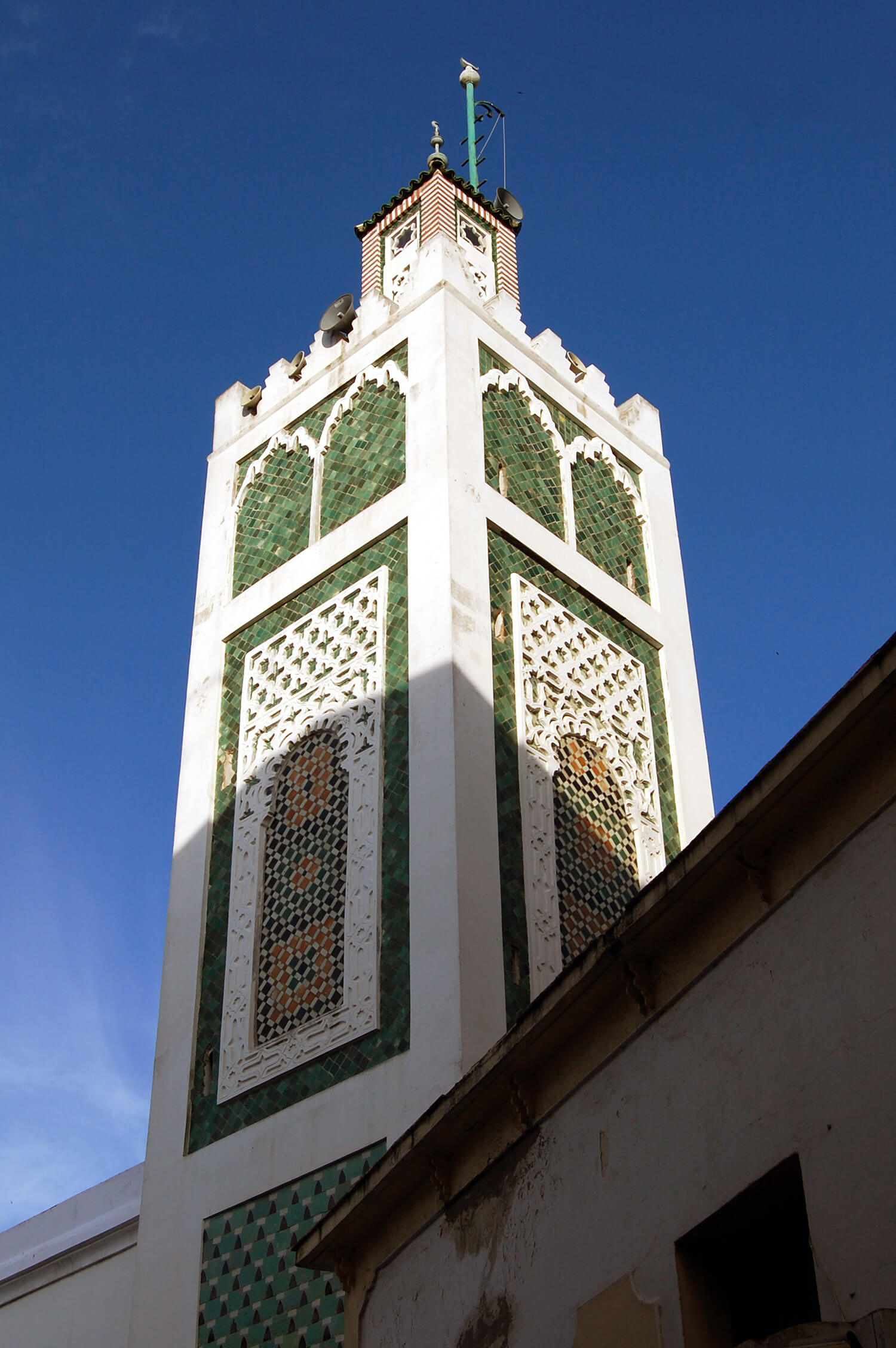
One of Tangier’s most prominent religious landmarks, the Grand Mosque stands as a testament to the city’s layered history. Over the centuries, the structure has served multiple purposes, having once been a Roman temple and later a Portuguese church before becoming a mosque. This evolution reflects Tangier’s role as a crossroads of civilizations and beliefs.
While entry is reserved for Muslim worshippers, the exterior alone is worth admiring. Its elegant proportions and decorative details stand out within the surrounding streets, offering a quiet moment of reflection amid the movement of the city. Observing the mosque from the outside provides insight into Tangier’s spiritual heritage and the historical transformations that have shaped it.
Stroll the Grand Socco
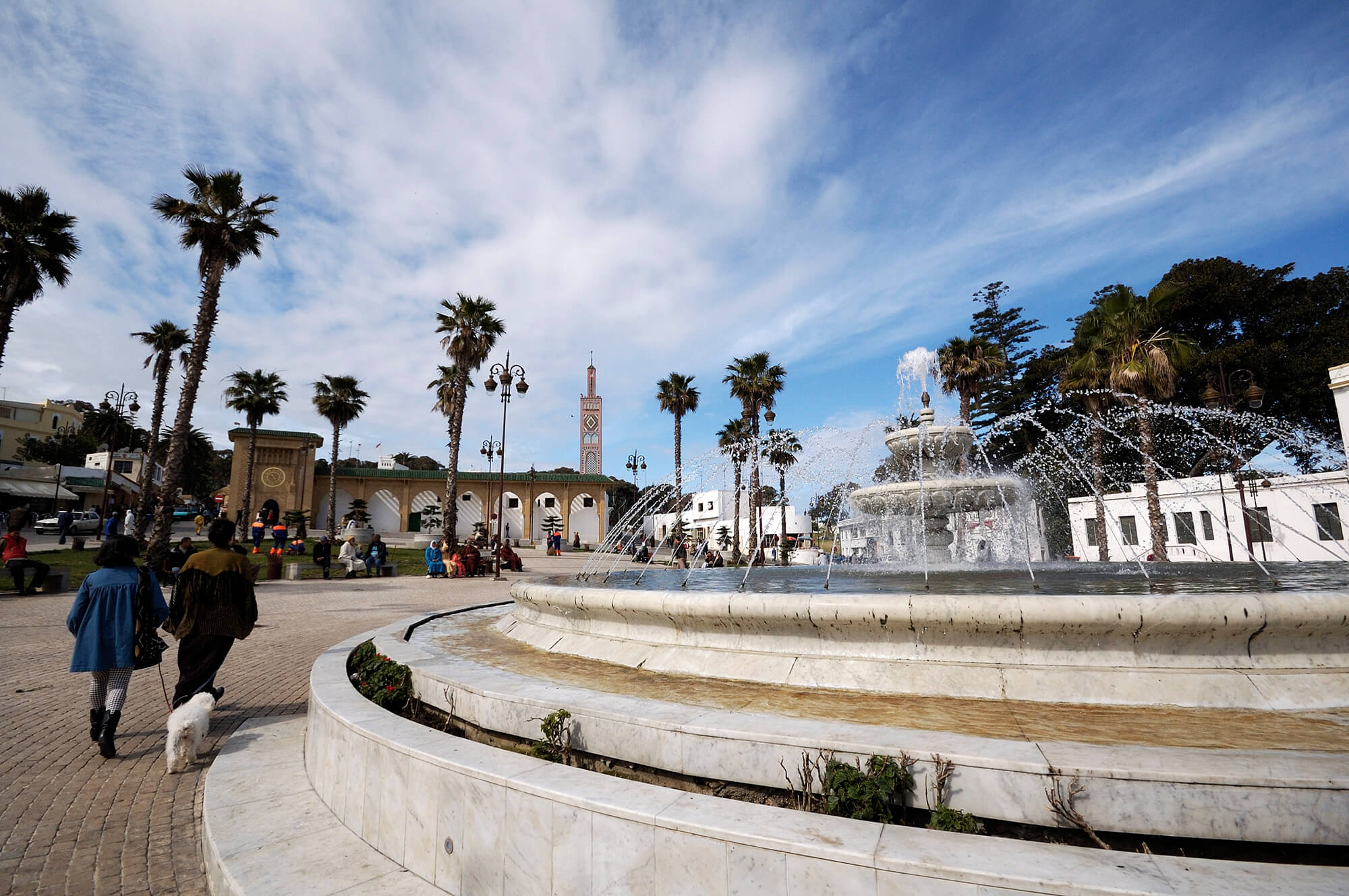
The Grand Socco is where Tangier’s past and present meet in plain sight. This historic square serves as a central gathering place for both locals and visitors, creating a lively atmosphere shaped by constant movement and everyday interactions. As a major transportation hub, it’s always buzzing with activity, making it one of the best spots to observe the city’s rhythm in real time.
Surrounding cafés and open spaces invite you to pause and take it all in, while nearby streets lead toward the medina and the modern parts of the city. Just steps away, the Mendoubia Gardens offer a welcome retreat from the bustle, with shaded paths and benches perfect for people-watching or a quiet break. Spending time here provides a genuine sense of how old and new Tangier coexist seamlessly.
Terrace Des Paresseux
Set high above the city, the Terrace des Paresseux offers some of Tangier’s most rewarding views. From this elevated promenade, ships can be seen gliding in and out of the harbor, while the coastline stretches toward the horizon. On clear days, the outline of Spain appears across the water, reinforcing Tangier’s unique position between two continents.
The terrace is a pleasant place for a leisurely walk, especially in the late afternoon when the light softens and the city below begins to slow. Old cannons scattered along the path add a playful historical touch, particularly popular with children who enjoy climbing around them. It’s a simple but memorable stop that invites visitors to pause, breathe, and take in Tangier from above.
Old Medina
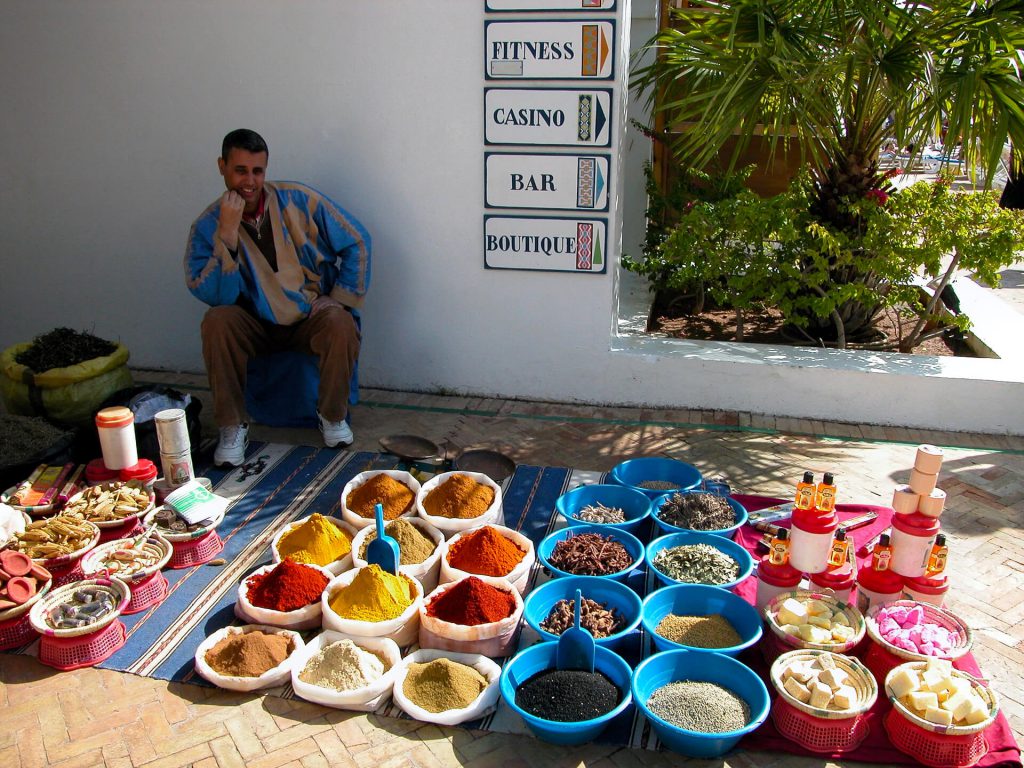
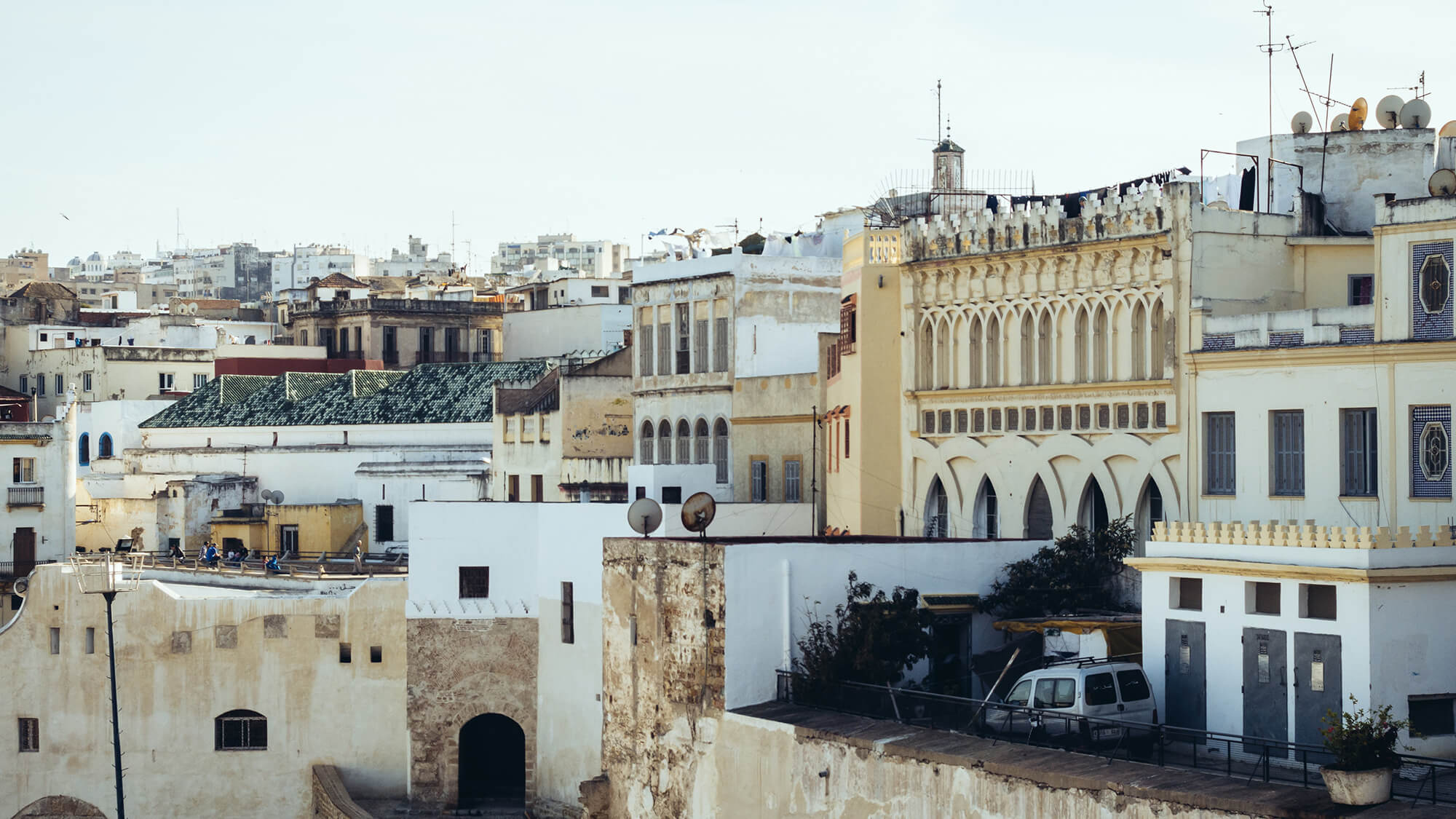
Tangier’s old medina offers a more relaxed experience than those found in many other Moroccan cities, yet it remains just as rich in color and character. Passing through its grand archways, you enter a maze of winding streets where daily life unfolds at an unhurried pace. Vendors line the alleys with displays of spices, fresh produce, flowers, and household goods, creating a sensory experience that feels authentic rather than overwhelming.
The medina is also a great place to shop for traditional Moroccan carpets, pottery, and handcrafted items, with plenty of opportunities to practice your bargaining skills. Unlike larger medinas, Tangier’s feels approachable and easy to navigate, making it enjoyable to explore without rushing. Wandering here offers a glimpse into the city’s soul and a chance to connect with its everyday rhythms.
Quad Biking Adventures
For those eager to explore beyond the city limits, quad biking offers an exciting way to experience Tangier’s surrounding landscapes. Just outside the urban area, the terrain opens into rolling hills, coastal viewpoints, and rural paths that reveal a quieter side of northern Morocco. Riding through these open spaces provides a sense of freedom while showcasing panoramic views of Tangier Bay and, on clear days, the distant outline of Asilah.
Guided tours are the best option for this activity, ensuring both safety and access to off-the-beaten-path routes. Along the way, riders encounter dramatic scenery shaped by the foothills of the Rif Mountains, blending adventure with natural beauty. Suitable for families and first-time riders alike, quad biking adds a dynamic outdoor experience to a Tangier itinerary and balances cultural exploration with adrenaline-fueled fun.
Luxury in Tangier
For travelers seeking a refined escape, Tangier offers elegant options that blend comfort with dramatic coastal scenery. One standout is Hotel Club Le Mirage, set just outside the city near the Cave of Hercules. Surrounded by nature and overlooking the Atlantic Ocean, the hotel provides a peaceful retreat away from urban energy while remaining close to Tangier’s main sights.
The property features stylish accommodations with sweeping sea views, lush gardens, and a swimming pool designed for relaxation. Guests can enjoy thoughtfully prepared dishes at the on-site restaurant or unwind in the piano bar after a day of exploration. Evening strolls along the terrace, accompanied by the sound of rolling waves, create an atmosphere of quiet indulgence. It’s an ideal choice for experiencing a more serene side of luxury in Morocco.
—
Tangier is a city of contrasts, where relaxation and adventure coexist effortlessly. From historic palaces and atmospheric medinas to coastal viewpoints and outdoor excursions, the city offers a diverse range of experiences shaped by its unique position between continents. Whether you’re drawn by its artistic legacy, seaside landscapes, or layered history, Tangier rewards travelers who take the time to explore its many sides. It’s a destination that continues to inspire curiosity while offering a deeper connection to the culture of Morocco.
🧭 FAQs
Q: Is Tangier worth visiting in Morocco?
Yes. Tangier offers a unique blend of cultures, coastal scenery, history, and creativity, shaped by its location between Europe and Africa.
Q: How many days do you need in Tangier?
Two to three days is ideal to explore the medina, museums, coastal viewpoints, nearby beaches, and surrounding attractions.
Q: What is Tangier best known for?
Tangier is known for its role as a historic port city, its artistic legacy, the Kasbah, the Cave of Hercules, and its proximity to Spain.
Q: Is Tangier safe for tourists?
Yes. Tangier is generally safe, especially in central areas and tourist zones. Basic awareness is recommended, as in any city.
Q: Can you see Spain from Tangier?
On clear days, Spain is visible from several viewpoints around Tangier, including the Terrace des Paresseux and coastal areas.
Q: What is the best time to visit Tangier?
Spring and fall offer the most pleasant weather, though Tangier can be visited year-round thanks to its mild coastal climate.
Q: Are there good beaches near Tangier?
Yes. Achakar Beach and Dalia Beach are popular choices, offering clean water, scenic views, and a more relaxed atmosphere than city beaches.
Q: Is Tangier good for families?
Yes. Tangier offers family-friendly activities such as beach outings, camel rides, scenic viewpoints, and guided outdoor adventures.
Q: What makes Tangier different from other Moroccan cities?
Tangier feels more relaxed and international, with Mediterranean influences, coastal landscapes, and a strong artistic heritage.
Q: Can Tangier be combined with other Moroccan cities?
Absolutely. Tangier is often paired with Chefchaouen, Casablanca, or Marrakech as part of a well-rounded Morocco itinerary.
—
Editor’s Note: This post was originally published in 2021 and updated in January 2026 for accuracy and freshness.
OTHER POSTS