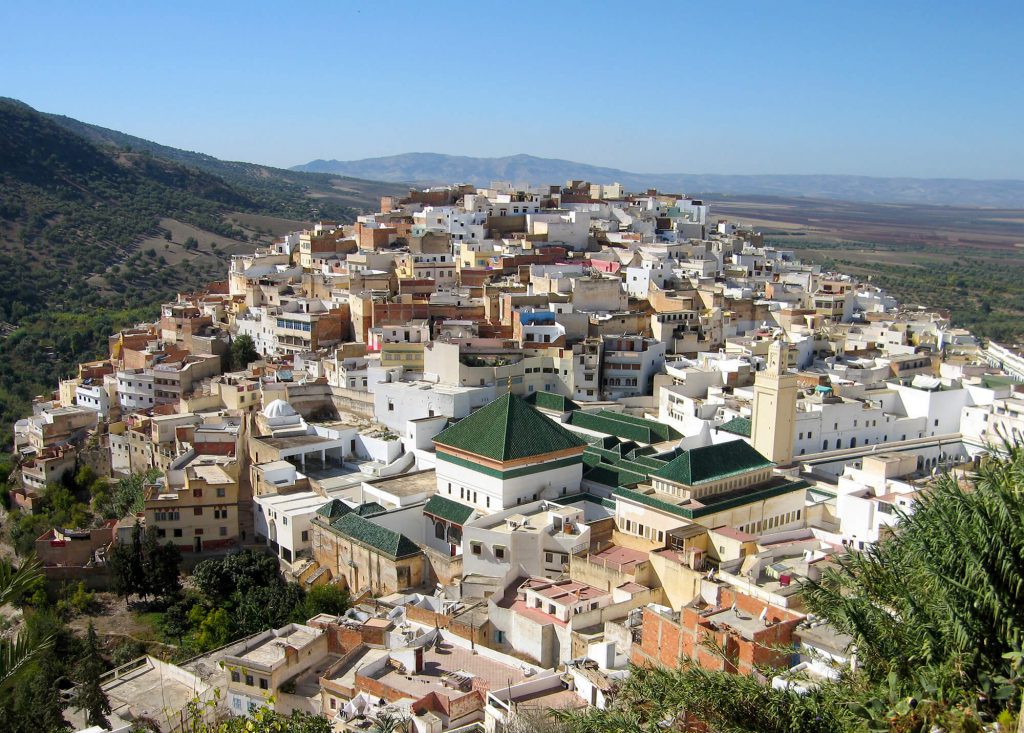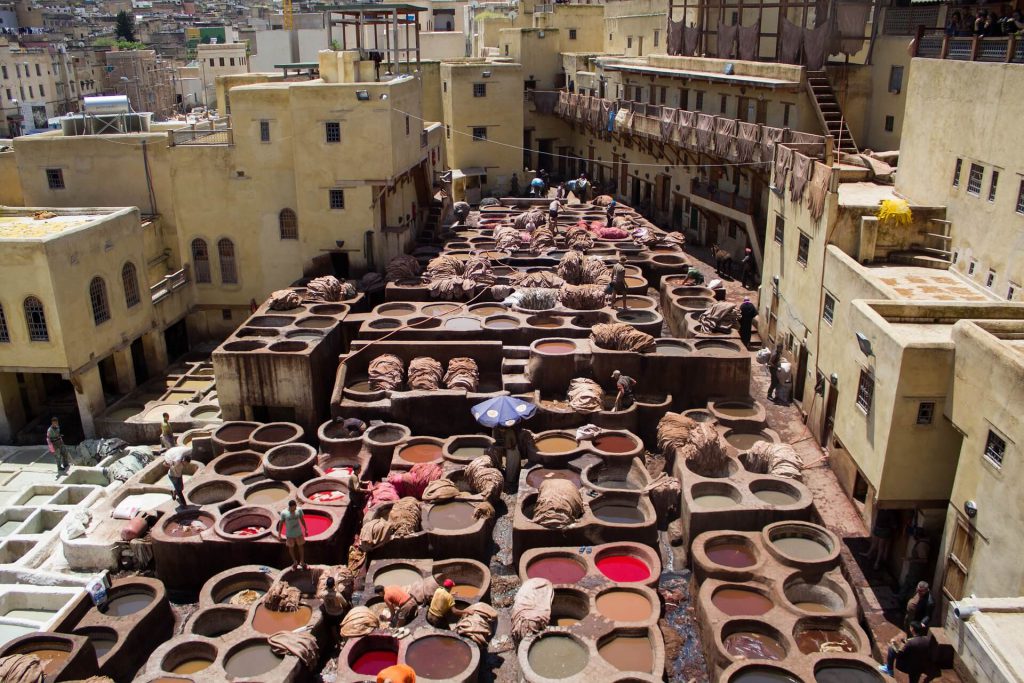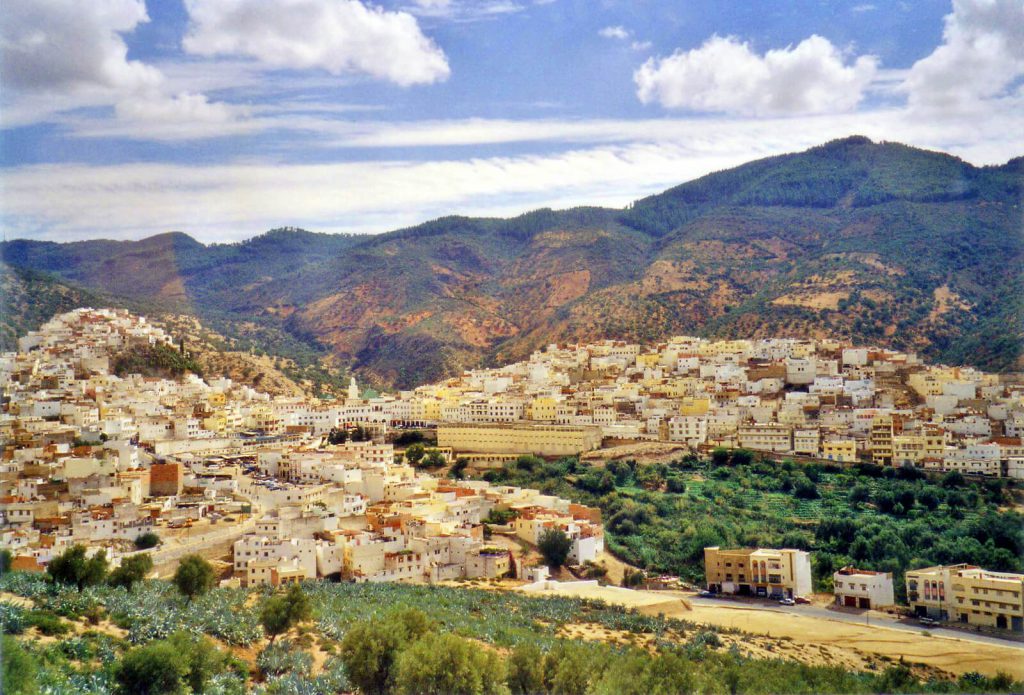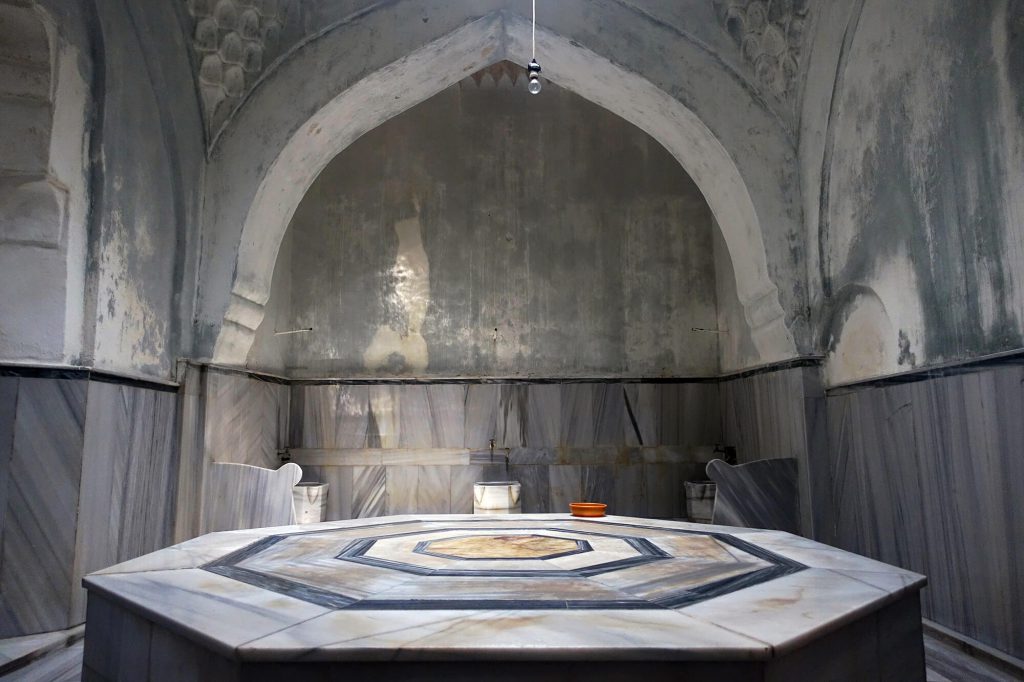
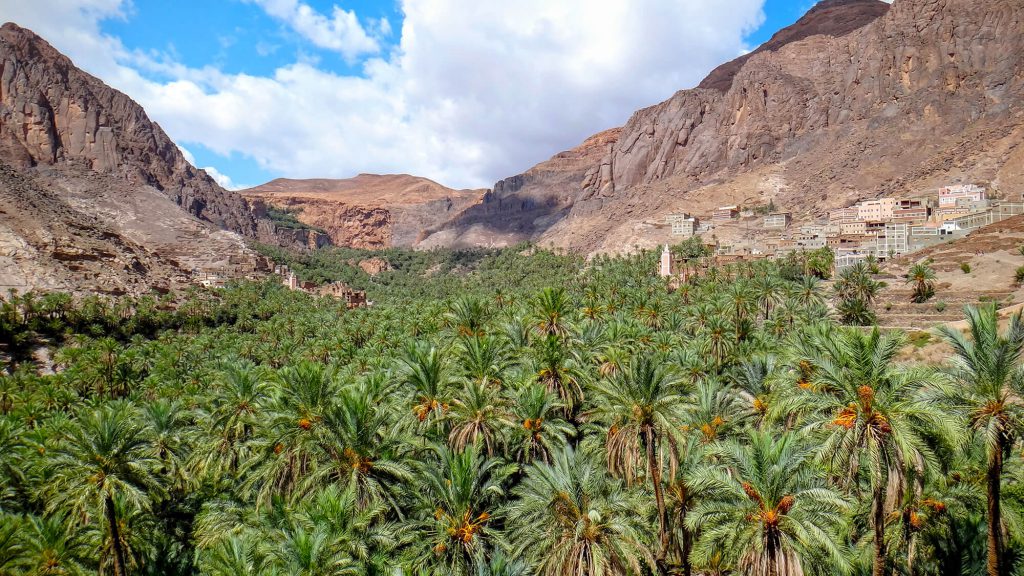
Choose your own adventure and wander off the beaten path to discover some of Morocco’s best small towns with big surprises. Journey through picturesque landscapes, explore ancient ruins and encounter memorable, natural wonders.
While many first-time visitors to Morocco are drawn to its major cities or embark on classic Sahara Desert treks, some of the country’s most rewarding experiences are found in its smaller towns. These places often escape the spotlight, yet each one carries its own character, shaped by local history, landscape, and deeply rooted traditions. Life moves at a gentler pace here, and visitors are frequently met with genuine hospitality, sometimes even an invitation to sit down and share stories over a glass of fresh mint tea.
Exploring Morocco’s lesser-known towns offers a chance to connect more closely with everyday life and uncover cultural treasures that feel personal rather than polished. From ancient ruins and coastal harbors to mountain foothills and fertile valleys, these towns reveal a different side of the country—one defined by quiet beauty, welcoming communities, and memorable encounters. The following destinations are just a few examples of places that delight curious travelers while showcasing Morocco’s rich natural and cultural diversity.
Larache
Set along Morocco’s Atlantic coast, Larache feels quietly confident, a town where layers of history reveal themselves without the crowds found in larger destinations. The harbor frames the city’s character, and beyond the old walls, buildings reflect a blend of Moorish and Andalusian influences that hint at the town’s diverse past. Overlooking the bay, 17th-century Spanish artillery towers rise from Fort Al Kabibat, offering the chance to wander through their interiors and take in views of the water below. Larache also makes for an easy day trip from Tangier, providing a relaxed way to learn more about the culture of Morocco in a coastal setting.
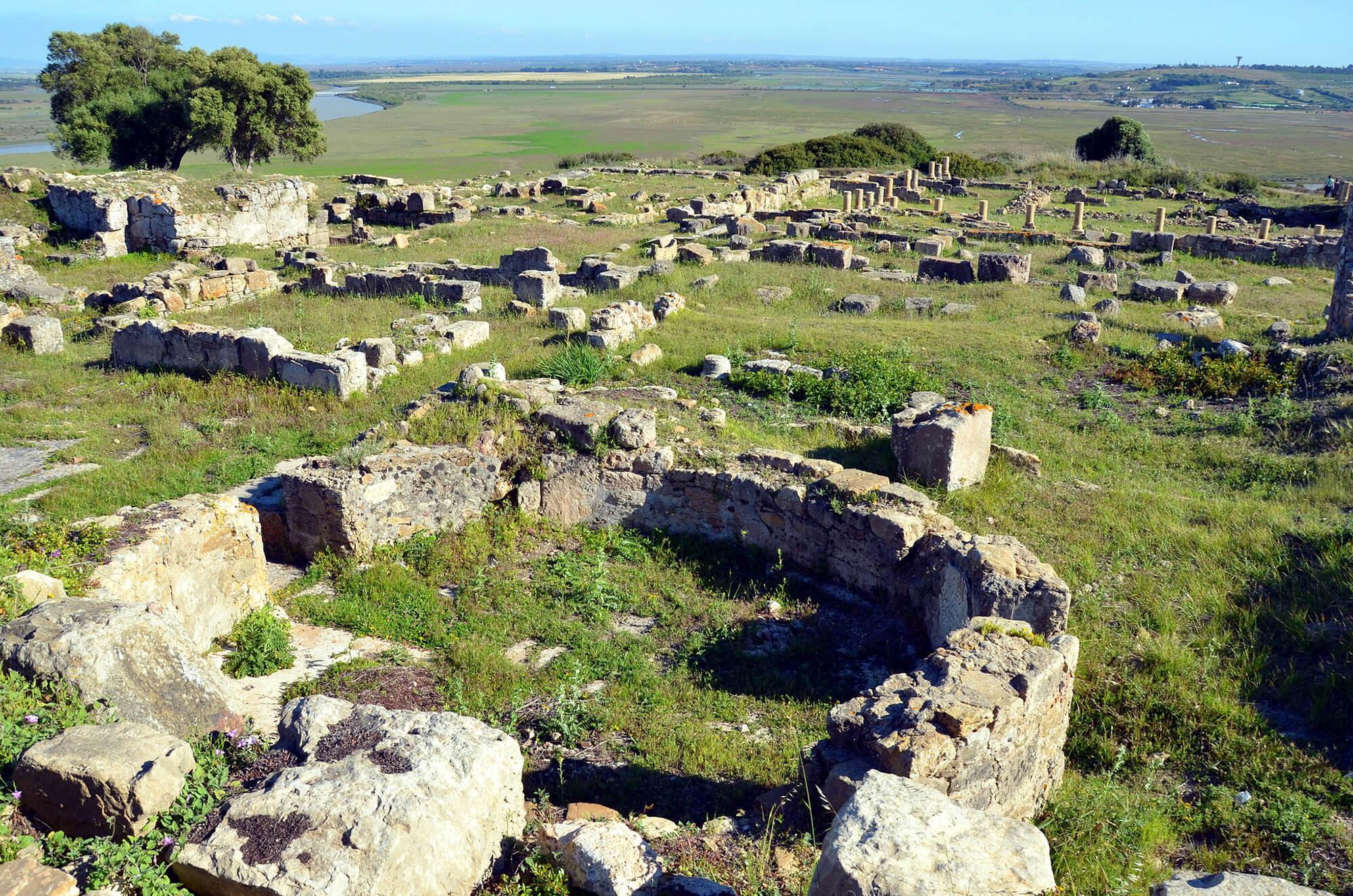
Just outside town lies one of Morocco’s most significant archaeological sites. The ancient ruins of Lixus sit on the banks of the Loukkos River, only a few kilometers away, yet they feel worlds apart. Inhabited since prehistoric times, Lixus has been shaped by the Phoenicians, Carthaginians, and Romans, leaving behind temples, baths, sanctuaries, cisterns, and a citadel. Much of the site remains unexcavated, which adds to its sense of mystery, and the sections that have been restored offer a fascinating glimpse into its layered past. Because the ruins are open and unguarded, it is often possible to explore in near solitude, surrounded by sweeping views of the countryside.
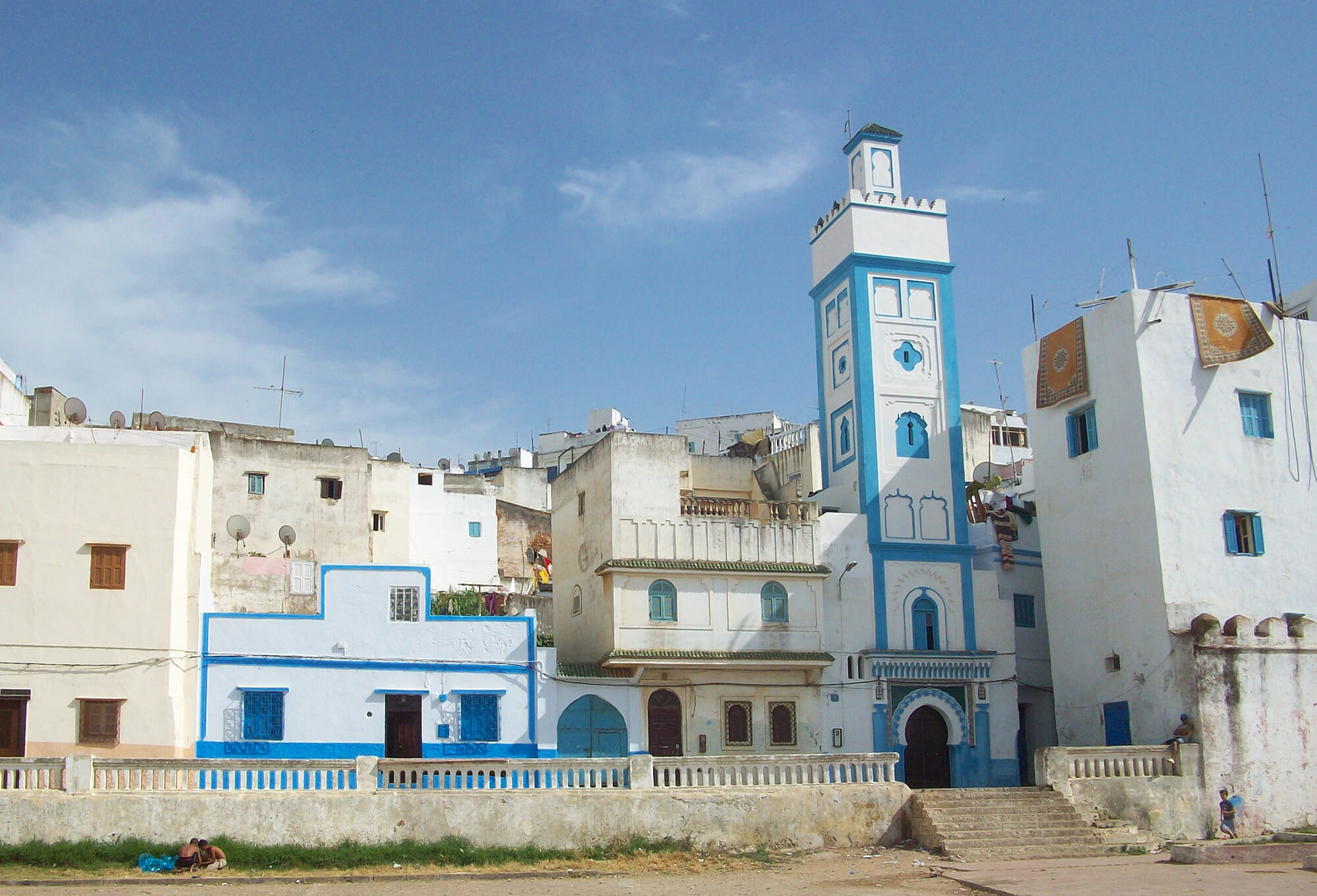
Larache’s coastline adds another dimension to the town’s appeal. White sandy beaches stretch close to the city center, with Ras R’mel Beach drawing both locals and visitors who come to enjoy the wind, waves, and wide open shore. Those looking for more space can head a short distance toward the Loukkos Estuary, where the beaches feel quieter and less developed. Whether you prefer a lively public beach or a more secluded stretch of sand near a resort, Larache offers plenty of options for a relaxed day by the ocean.
Cultural life in Larache unfolds at an easy pace. Galerie Afnar showcases contemporary photography and works by local artists, while Place de la Liberation, lined with palm trees, invites an unhurried stroll. From here, you can enter the medina through Bab el Khemis, an elegant gateway that reflects the town’s Moorish architectural roots. Literature lovers may also appreciate visiting the old Spanish cemetery, where French writer Jean Genet is buried. Another unexpected stop is the Church of Our Lady of Pilar, established in 1931 and still active today, offering a quiet glimpse into Larache’s diverse spiritual history.
Demnate
Tucked into the foothills of the High Atlas Mountains, Demnate feels far removed from the bustle of Marrakech, even though it lies within easy reach of the city. This is one of Morocco’s oldest towns, and its rhythm is shaped by the surrounding landscape and the Amazigh communities who have lived here for generations. Agriculture remains central to daily life, and the region is especially known for its rich red clay, used by local artisans to create pottery, as well as for producing some of the finest olive oil in the country. The setting alone makes Demnate feel grounded and authentic, with natural beauty unfolding in every direction.
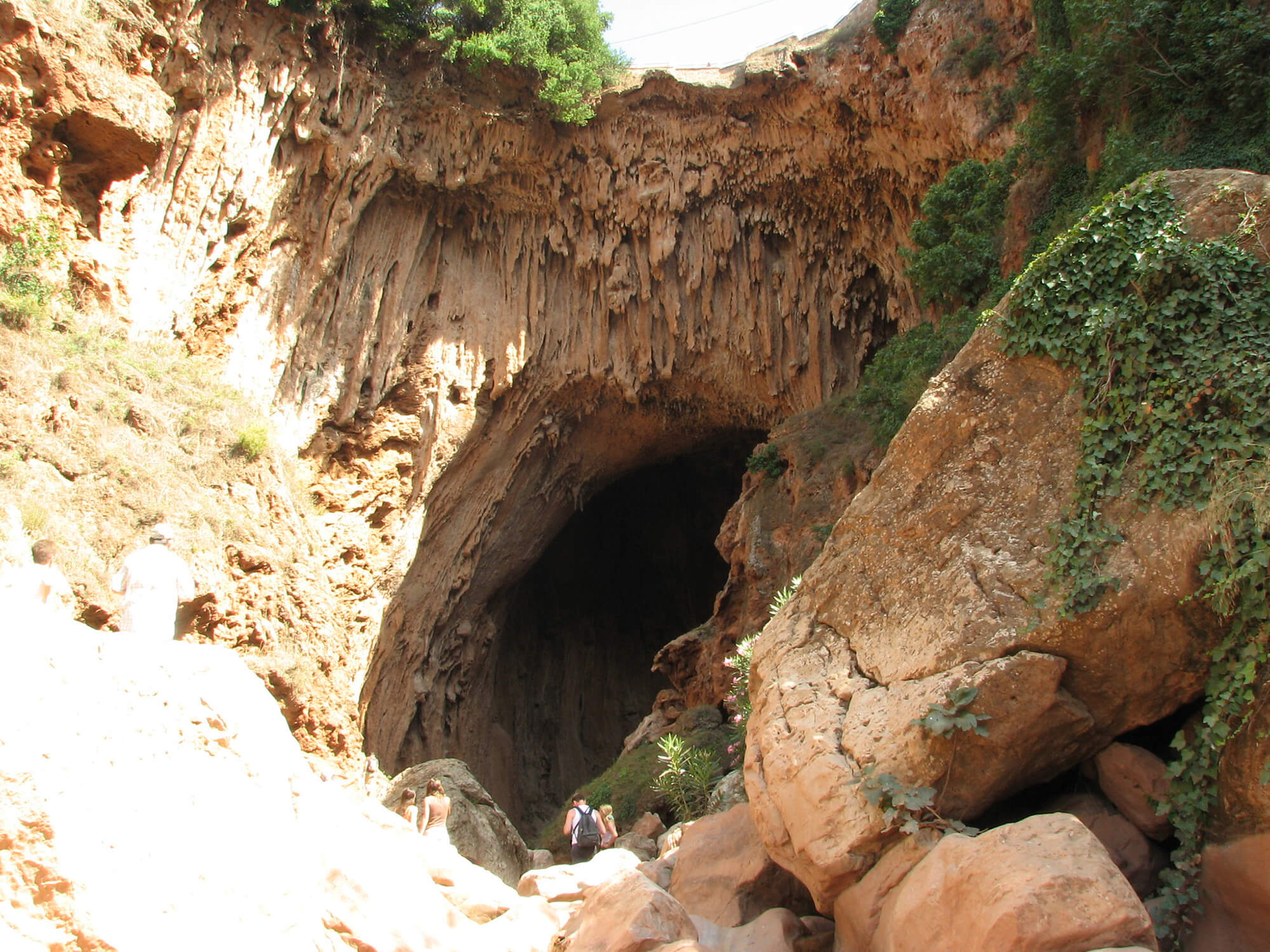
Just beyond the town, one of the area’s most striking natural features awaits. Imi-n-Ifri, meaning “Grotto’s Mouth” in Amazigh, is a dramatic natural land bridge that rises nearly seventy meters high. Clearly marked paths lead visitors through the site, making it easy to explore while taking time to admire the surrounding scenery. Nearby, natural springs and waterfalls add to the sense of discovery, and the hills and valleys around Demnate offer rewarding hiking opportunities for those who enjoy being outdoors.
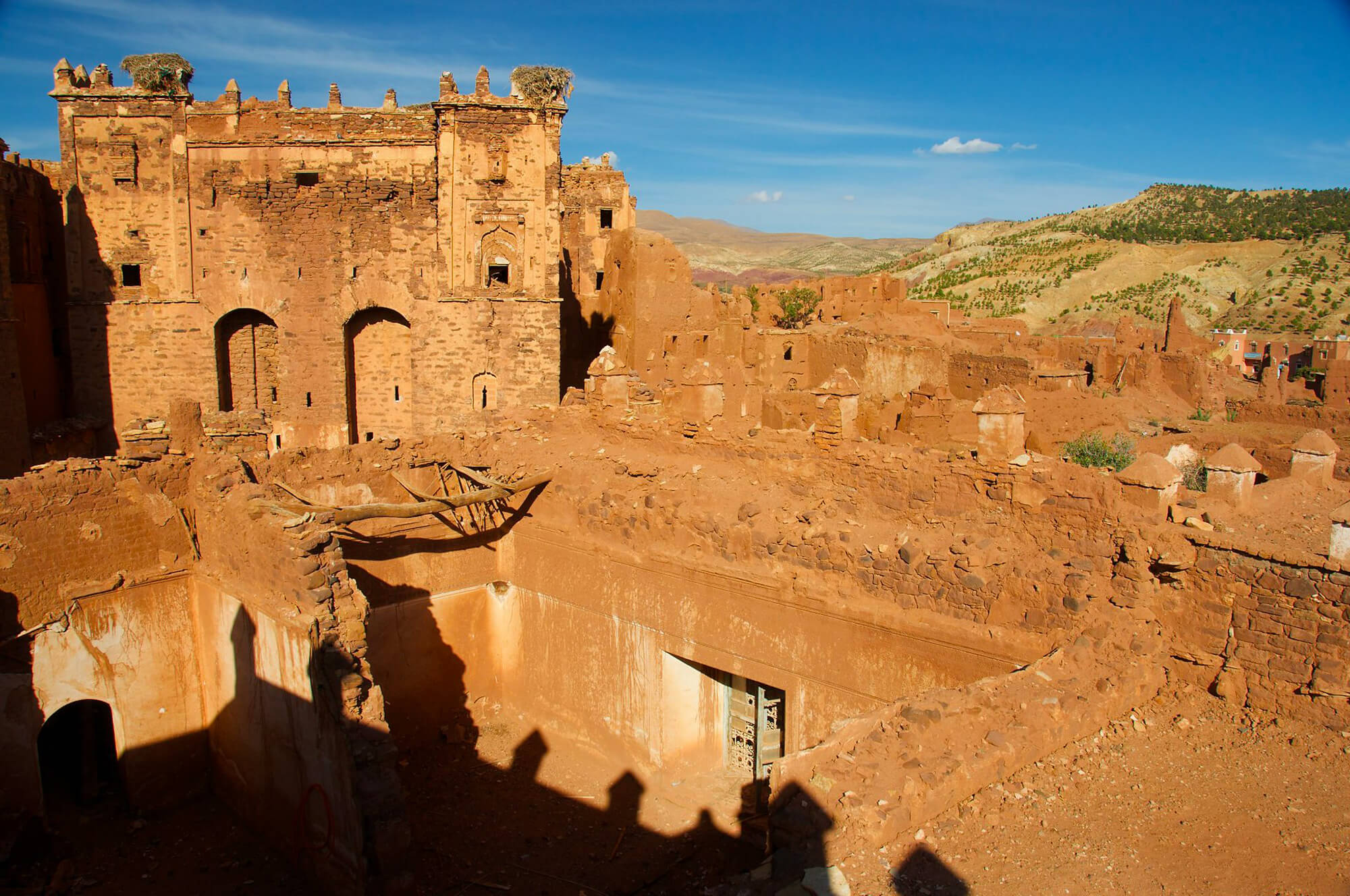
History is equally present in the landscape. The Glaoui Kasbah, also known as Telouet Kasbah, once belonged to the powerful El Glaoui family and dates back to the eighteenth century. Although parts of the structure have collapsed over time, several rooms still display intricate decorations that hint at its former grandeur. Looking out from the kasbah’s windows reveals sweeping views of the countryside, connecting the site to the land it once dominated. While exploring the surrounding area, keen-eyed visitors may even spot prehistoric dinosaur footprints preserved in the red earth, an unexpected reminder of how deep the region’s history truly runs.
El Jadida
El Jadida offers a relaxed coastal atmosphere that feels refreshingly local, especially for travelers looking to step away from busier cities. Positioned between Casablanca and Essaouira, this easygoing port town moves at a slower pace while still offering plenty to explore. Life here is closely tied to the Atlantic, and the coastline provides a natural backdrop for long walks, ocean views, and simple moments spent watching daily routines unfold by the water.
Beaches stretch along the shore, inviting visitors to enjoy the sun or cool off in the sea. Mazagan Beach is particularly popular, not only for swimming but also for activities like surfing, camel rides, and even quad biking adventures that add a sense of excitement as the sun begins to set. The combination of open space and ocean air makes it an appealing place to unwind without feeling disconnected from local life.
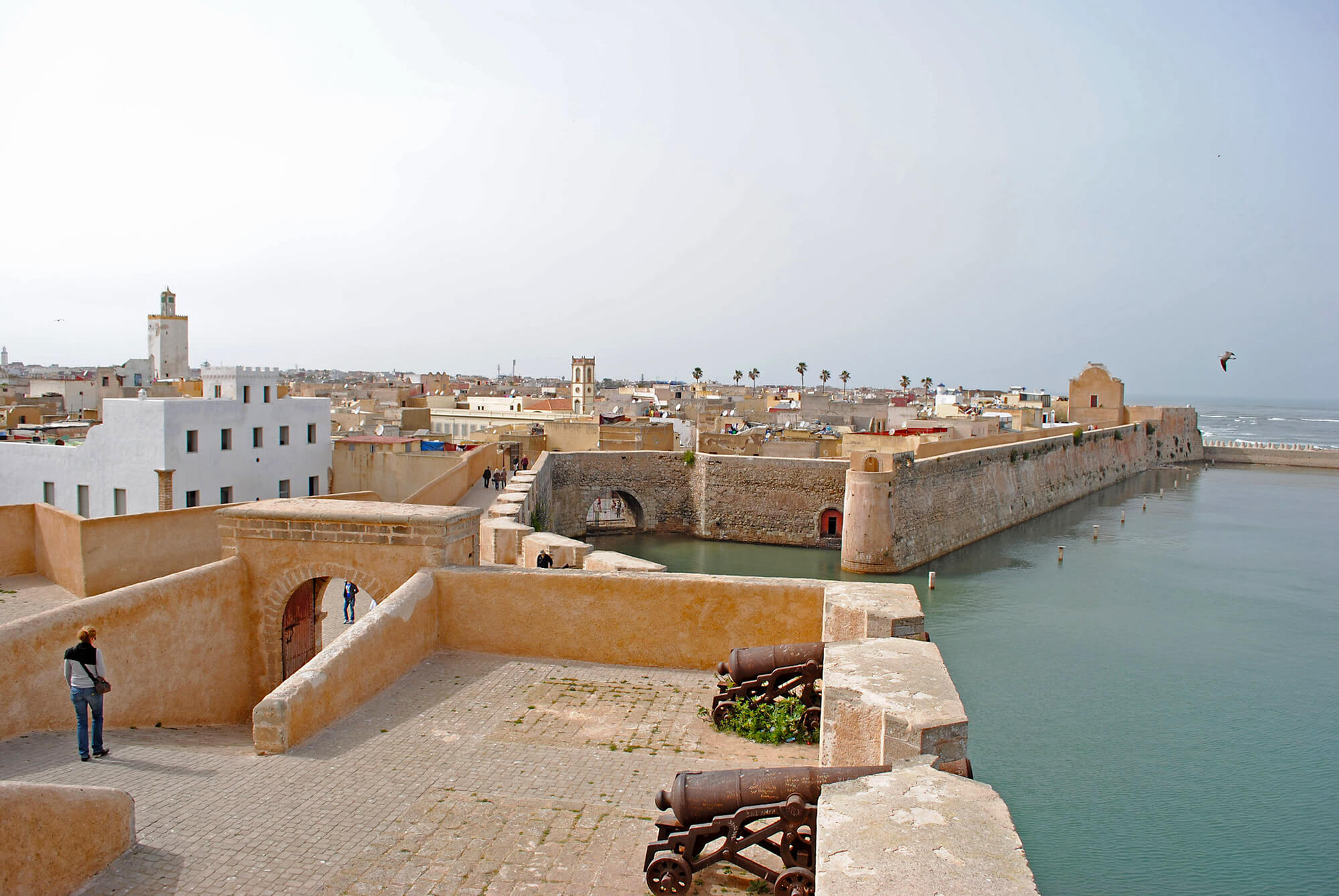
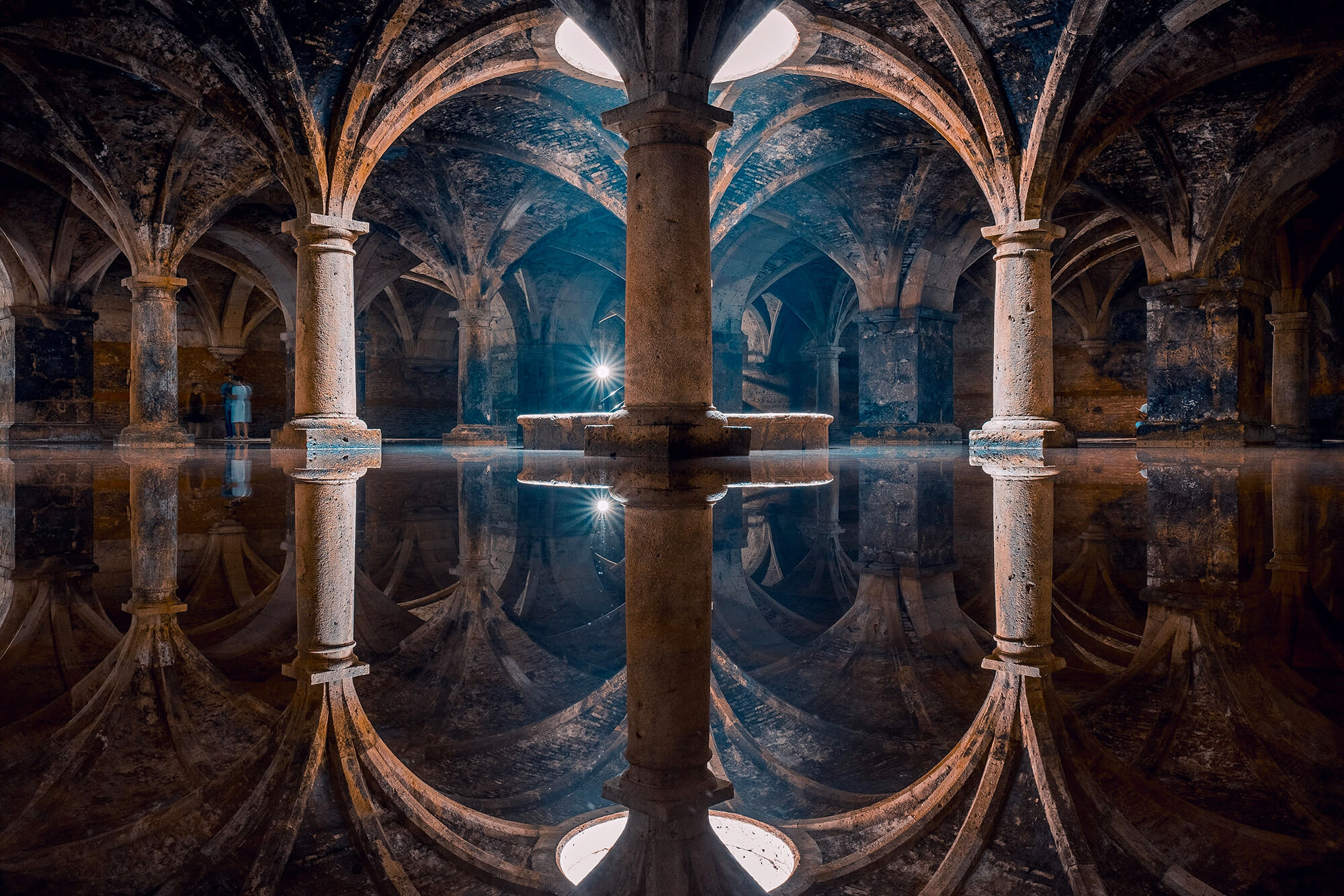
History comes into focus within the old Portuguese quarter, where the Mazagan Fortress stands as a reminder of El Jadida’s past. Built in the 16th century, its sturdy ramparts offer sweeping views of the Atlantic and are especially beautiful in the evening light. Nearby, the Portuguese Cistern creates a striking contrast. Originally constructed as an underground water reservoir in 1514, the space feels almost otherworldly, with sunlight filtering through the ceiling and reflecting off the shallow water below. The effect is haunting and memorable, turning a functional structure into one of the town’s most captivating landmarks.
Beyond the historic core, everyday life reveals itself in places like the Marché Central, where locals shop for fresh produce and meats, and along the Port of El Jadida, where fishing remains central to the economy. Early mornings are the most active, as boats return with the day’s catch. Another landmark worth the climb is the Sidi Bouafi Lighthouse, built in 1916 by German prisoners of war and still functioning today. Reaching the top requires ascending its many steps, but the reward is a wide panoramic view that captures the coastline, the town, and the surrounding landscape in one sweeping glance.
Morocco’s smaller towns offer a side of the country that feels personal, grounded, and deeply connected to everyday life. Places like Larache, Demnate, and El Jadida invite travelers to slow down, explore without pressure, and experience traditions that continue quietly beyond the main tourist routes. Whether shaped by the sea, the mountains, or centuries of layered history, each town reveals its own story through landscapes, architecture, and the people who call it home.
Venturing off the beaten path often leads to the most meaningful encounters. These lesser-known destinations provide a chance to see Morocco through a different lens, one defined by hospitality, authenticity, and unexpected beauty.
For travelers willing to wander a little farther, these towns offer memorable experiences and a deeper connection to the country’s rich cultural fabric.
🧭 FAQs
Q: Are small towns in Morocco safe for travelers?
Yes. Small towns in Morocco are generally very safe and often feel more relaxed than larger cities. Locals are welcoming, and visitors are usually met with curiosity and hospitality rather than crowds or pressure.
Q: How many days should you spend visiting small Moroccan towns?
This depends on your travel style, but even one or two nights in a small town can be rewarding. Staying longer allows you to slow down, explore nearby sites, and experience daily life at a more natural pace.
Q: Do you need a car to visit small towns in Morocco?
While some towns are accessible by train or bus, having a car or booking guided transport makes it much easier to reach smaller, less-connected places and explore the surrounding countryside.
Q: Are these towns suitable for families or older travelers?
Yes. Many small towns are well suited for families and older travelers because they are quieter, walkable, and less hectic than major cities. The slower pace often makes sightseeing more comfortable and enjoyable.
Q: What is the best time of year to explore small towns in Morocco?
Spring and autumn are ideal, as temperatures are mild and landscapes are at their most beautiful. These seasons are especially pleasant for walking, hiking, and outdoor exploration.
Q: Can small towns be combined with a larger Morocco itinerary?
Absolutely. Small towns fit well between major destinations like Marrakech, Fes, Casablanca, or the Sahara, adding depth and variety to a longer journey through the country.
—
Editor’s Note: This post was originally published in 2021 and updated in December 2025 for accuracy and freshness.
OTHER POSTS